IN Brief:
- Christophe Williams issued a current, attributable response on 20 October to NESO and Ofgem reports published the previous day.
- Eversheds found the examined record-keeping and influence allegations unsubstantiated; Ofgem’s separate technical review is continuing.
- Williams advocates onsite solar thermal and storage, with electrical savings dependent on the heating source displaced and the timing of demand.
Naked Energy founder and chief executive Christophe Williams has urged greater investment in onsite solar thermal generation and heat storage, responding on 20 October to the findings of an investigation into allegations about the National Energy System Operator (NESO). He argues that distributing more heat production to commercial buildings could complement electrical grid upgrades as electricity demand increases. His statement is an attributable industry response, rather than a finding of the independent investigation or a technical assessment of Naked Energy's equipment.
The 19 October Eversheds Sutherland investigation found no evidence to substantiate allegations that NESO's control room records had been manipulated, improperly managed or concealed, or that corporate affairs personnel influenced operational decisions during the June heatwave. It did identify shortcomings in how staff concerns were raised and addressed. NESO has accepted the recommendations and says its board will oversee a plan to improve internal processes.
Williams said: “Although this report shows there is no evidence of a cover-up of blackout risks, it’s clear that blackouts are a very real concern for the staff at Neso. The issue isn’t too much renewable energy, it’s that our grid was never designed for a decentralised, electrified energy system.”
The investigation into whistleblowing allegations is separate from Ofgem's technical inquiry into electricity system operations during the week beginning 22 June. Ofgem has published the factual account prepared by NESO and says it will examine system security, operational planning, demand forecasts, generator availability, balancing services and interconnector flows. It has not yet decided whether every relevant security standard was maintained. The two reports therefore address different questions about the same period of system stress.
Williams's position concerns the long-term design of electricity supply and demand, especially the thermal loads that businesses might meet without drawing all their energy through an electrical connection. Network reinforcement is needed when circuits and transformers cannot accommodate the power flowing through them at particular times, while reducing demand at a constrained location can sometimes lower the peak loading. The size and timing of that benefit depend on what equipment a building uses before introducing the alternative technology.
He continued: “The problem will get worse if we continue to rely on electrification alone to reach net zero. Electricity demand is expected to grow by 50% over the next decade, while upgrading the grid will require the taxpayer to spend tens of billions of pounds.”
The forecast of a 50% rise in electricity demand over the next decade, and the estimate of public spending required for grid upgrades, are part of Williams's argument. Neither figure is a conclusion of the Eversheds investigation. Network costs are borne through a mixture of financing, tariffs and public arrangements rather than being captured by a single assertion about taxpayers. The practical comparison is between the cost of meeting rising demand through network capacity and the cost of measures that displace or shift individual loads.
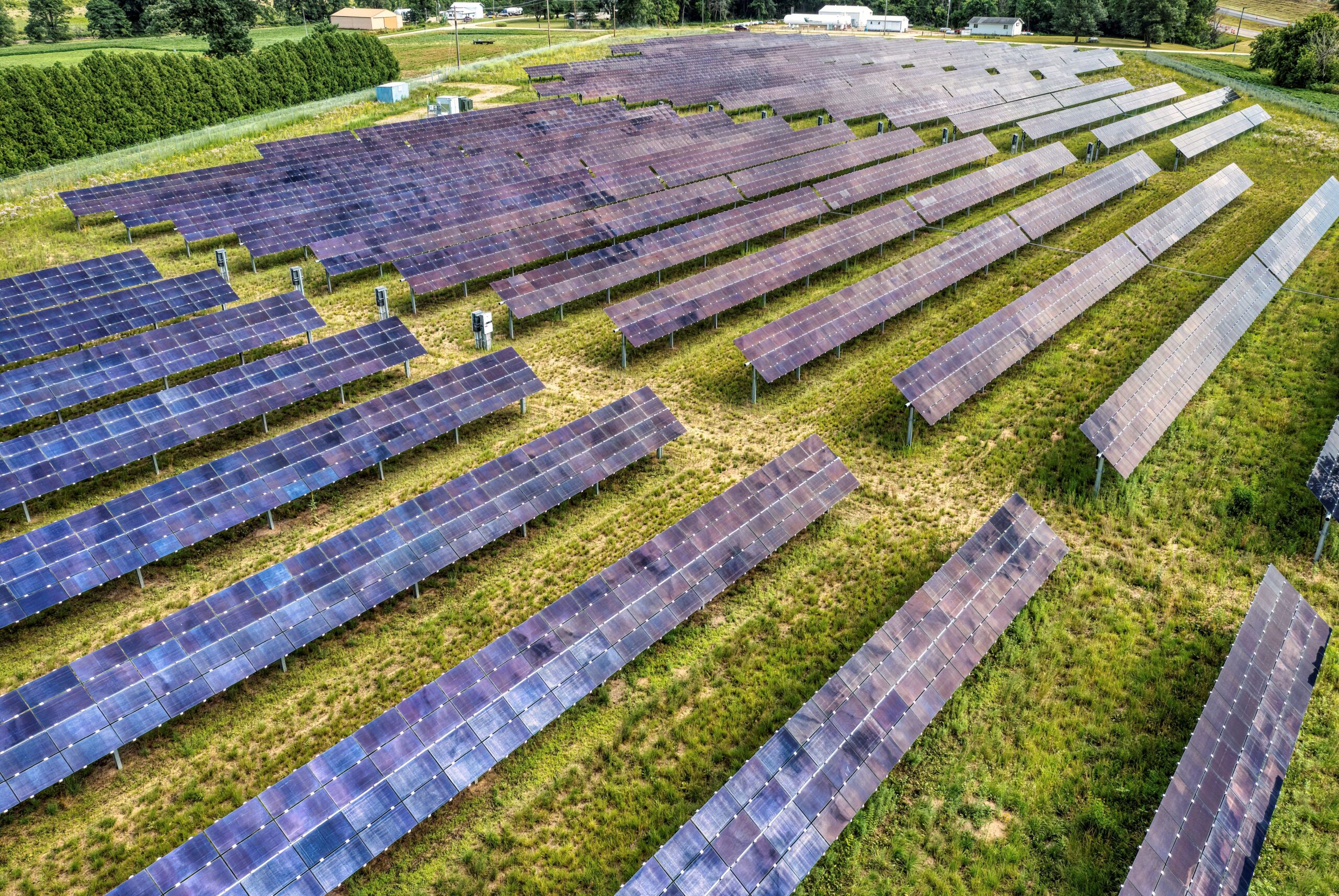
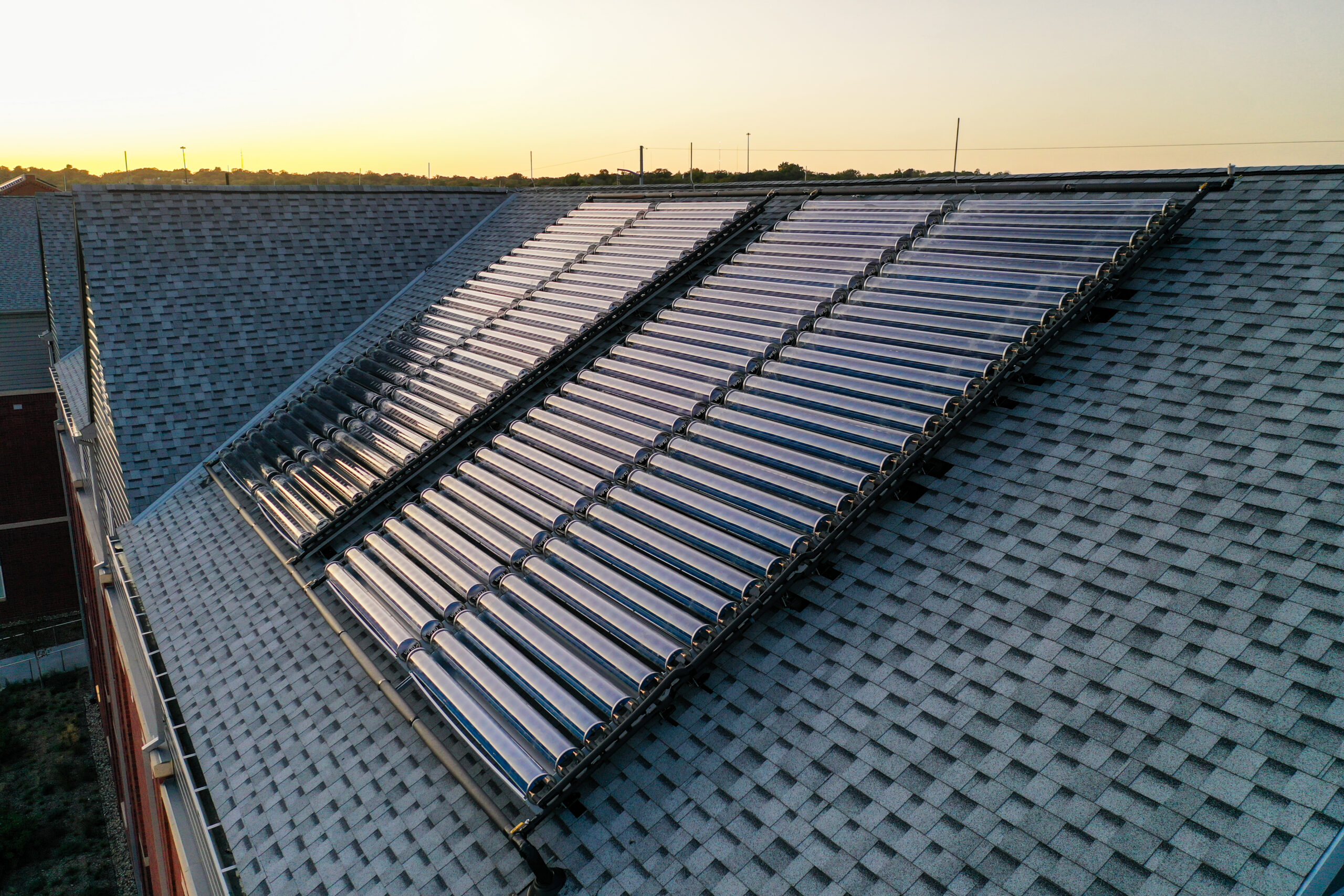
Solar thermal collectors use solar radiation to heat a circulating fluid, transferring energy through a heat exchanger to a store or an end-use load. They differ from photovoltaic modules, which convert sunlight to electricity. Commercial applications include domestic hot water, and some industrial processes can use heat at suitable temperatures. Available output varies with weather, collection temperature, installation geometry and the characteristics of the heating duty being served.
Williams added: “That’s why we need to stop treating electrification as the only solution and think beyond the grid. Grid-edge technologies like solar thermal allow businesses to generate and store energy on-site, without adding pressure to already constrained networks. Every kWh of energy that is supplied through grid-edge technology is a kWh of demand taken off the grid. Investment in distributed energy systems that work alongside the grid will cut costs and accelerate the transition in concert with existing infrastructure.”
The equivalence between thermal energy delivered onsite and electricity removed from the grid depends on the existing heating arrangement. If solar heat replaces an electrically powered resistance heater, the reduction in electrical consumption can be close to the displaced useful heat after system losses. If it replaces a heat pump, that pump might have delivered several units of thermal energy for each unit of electricity consumed, so the electrical reduction will generally be smaller than the thermal output. Replacing gas heat, by contrast, does not directly remove the same amount of electrical demand.
Thermal storage allows useful heat collected during periods of sunlight to be supplied later. Its value is determined by the temperature range, usable water or storage medium volume, thermal insulation and the heat-demand profile. A thermal store is not an electrical battery, and its kilowatt-hour heat capacity cannot be added directly to electricity storage ratings when comparing grid services. Controls and backup heating must manage prolonged periods when available solar heat falls below the site demand.
Even where solar heat reduces annual energy purchases, a network benefit follows only if the reduction coincides with local electrical constraints. A factory with steady daytime hot-water demand may benefit differently from an office with intermittent loads, while a thermal system supplying non-electric process heat may have almost no effect on the connection's electrical peak. Project-level metering and time-of-use load measurements are therefore needed to judge how much cable or transformer capacity a particular installation could release.
These onsite measures also address a different technical problem from system frequency control and large-scale transmission capability. Grid operators must retain adequate generation, reserves, protection and transfer capacity across regions, including during hours when solar output is low. Distributed heat generation may complement those investments by changing the shape of demand at certain premises, but cannot substitute for the controls and infrastructure required to balance the national electricity system.
Naked Energy develops solar thermal technology and has commercial interests in its wider adoption. That context does not negate the technical proposition, but it places the reported savings in the category of supplier and industry claims until measured for a defined application. Ofgem expects to publish conclusions on system security no later than 31 January 2027 and broader lessons by 31 March. The near-term regulatory process will address NESO's June operations; evidence of the effect of grid-edge heating systems will depend on measured installation performance and the demand they actually displace.