IN Brief:
- Shanxi Installation Group has selected IDOM for detailed engineering services at the proposed 500 MW Al Kamil I photovoltaic project in Oman.
- The assignment also includes initial site studies to support subsequent project delivery and design integration.
- The announcement is an engineering appointment, not evidence that the plant is completed, connected or generating electricity.
IDOM has been selected by Shanxi Installation Group to undertake detailed engineering for the proposed 500 MW Al Kamil I solar project in Oman. The Spanish engineering consultancy will also define the initial studies required at the site, taking the development towards a coordinated design suitable for procurement and construction. Its appointment concerns engineering services for the photovoltaic plant rather than completed electrical infrastructure.
The 19 October appointment names Shanxi Installation Group as IDOM's client and identifies a 500 MW project, but gives no contract price, construction start, completion date or detailed equipment schedule. The practical scope is therefore best understood through the confirmed detailed-design and preliminary study responsibilities, not assumptions about suppliers or the final export configuration. Those disciplines will need to align the solar array with the network interface and conditions on the ground.
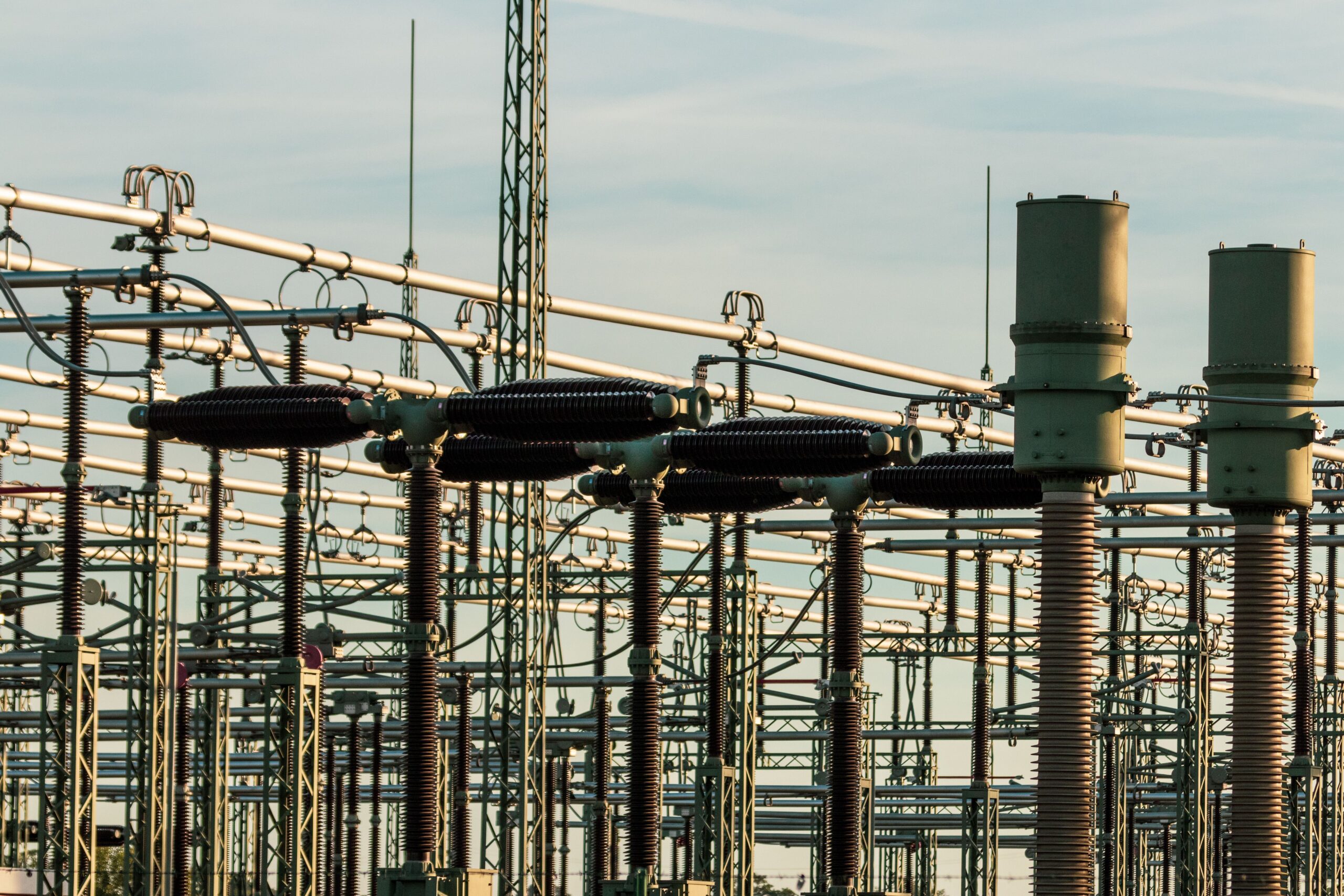
Detailed engineering converts the concept of a solar development into drawings, calculations and specifications that construction teams can use. The electrical design brings together photovoltaic module strings, DC collection circuits, inverters, transformers, medium-voltage distribution, switchgear, earthing, protection and the grid connection. The civil design determines how access routes, cable trenches, equipment pads and foundations fit around those electrical components.
IDOM's initial site work forms a basis for decisions that affect both output and capital requirements. Terrain and geotechnical conditions influence how mounting structures are founded, while drainage and existing access determine the practical arrangement of roads, trenches and equipment compounds. Solar resource assessment and shading studies feed into array orientation and spacing. Specific survey results for Al Kamil I have not been disclosed, so they cannot yet support claims about ground conditions or a chosen foundation system.
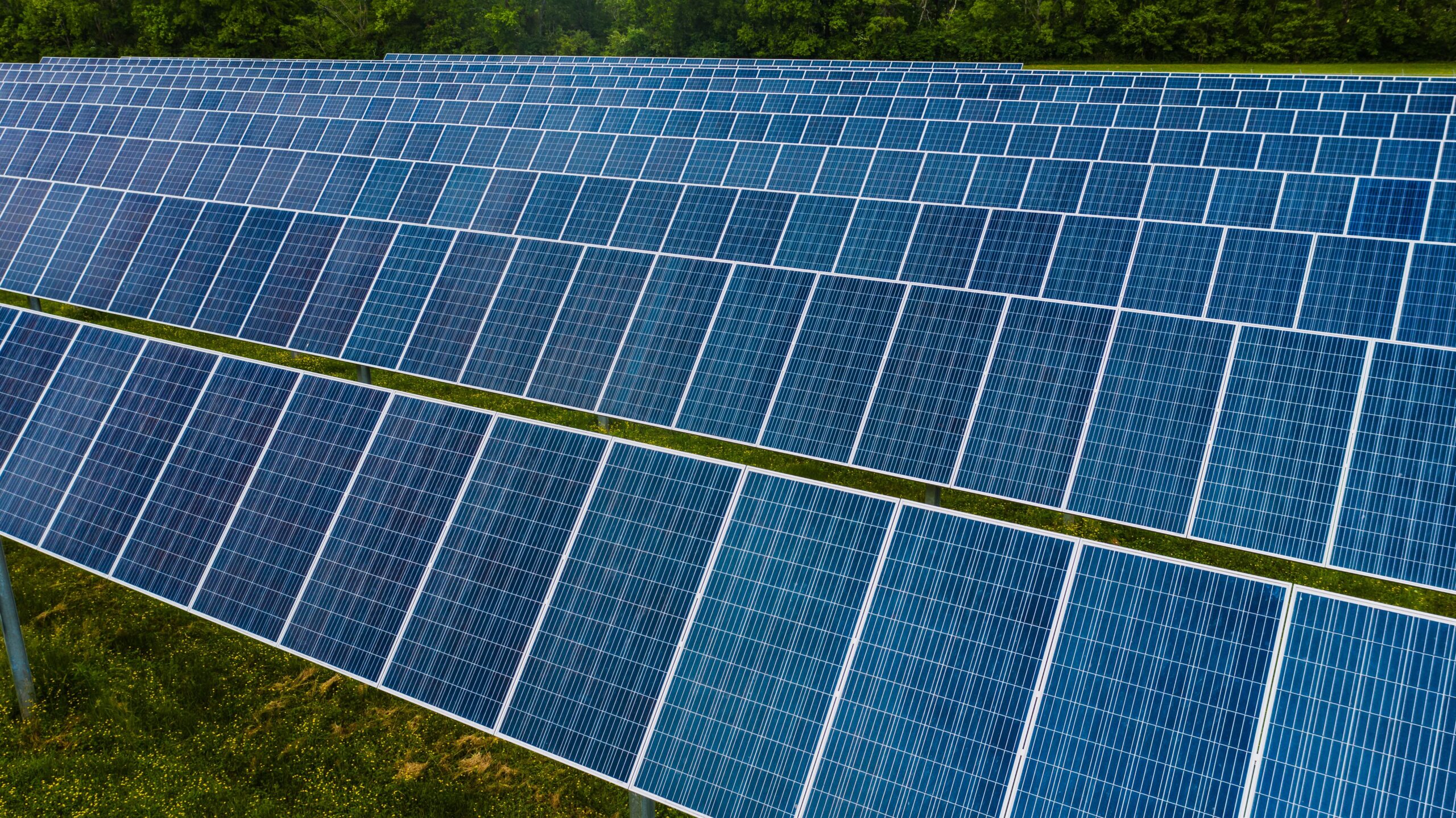
Photovoltaic modules deliver direct-current electricity at voltages and currents influenced by irradiance, cell temperature and their string configuration. Designers select the number and arrangement of modules so each string remains inside the connected inverter's operating envelope across expected temperature extremes. DC cable size, protection and route length then affect resistive losses, fault performance and installation cost. These calculations also feed into the plant's predicted energy yield.
At the inverter stations, electrical power is converted to AC for collection and export through the appropriate transformers and switching equipment. The designer must establish voltage levels, fault duties, reactive power requirements and metering interfaces compatible with the transmission or distribution connection. IDOM has not stated whether the 500 MW refers to DC module capacity or AC export power, so either measure would be premature without the detailed project specifications.
Oman's high ambient temperatures place requirements on power electronics, cabling and control enclosures. Inverter output may need to be reduced when thermal operating limits are approached, and cable ratings depend on the installed environment as well as conductor dimensions. Equipment selection must therefore combine expected loads with ambient temperature, ventilation and maintenance access, rather than applying generic ratings that assume cooler conditions.
The protection design must enable faults in modules, cabling, inverter stations or the collection network to be isolated without unnecessarily disconnecting unaffected parts of the installation. Earthing and lightning protection control electrical hazards, while remote monitoring helps operators identify declining inverter performance or equipment faults. The final scheme must coordinate these arrangements with the standards and operational rules imposed at the point of connection.
Detailed engineering has to reconcile electrical routes with civil works before major equipment is installed. A cable crossing beneath an internal road may require physical protection and adequate access for repairs; transformer foundations must carry concentrated loads and provide safe handling space. Changes in array spacing alter cable quantities and maintenance access. Integrating those calculations at design stage helps reduce constructability problems once separate contractors arrive on site.
Design deliverables can also form the technical basis for tendering equipment and agreeing installation quality checks. Procurement specifications define required component ratings and acceptance criteria; as-built documentation and factory tests provide evidence that equipment meets them. Electrical completion subsequently involves inspection, insulation and functional testing, protection verification and controlled energisation of the collection and export system. IDOM's present appointment comes before those physical milestones.
Al Kamil I sits within Oman's programme to increase renewable generation and diversify its electricity supply. A large photovoltaic development would principally contribute output during daylight, with the available power also shaped by local grid capacity and dispatch rules. The announced engineering role does not include a confirmed battery system, and the project should therefore be described as a solar installation rather than an established solar-storage hybrid.
IDOM and Shanxi Installation Group now have an engineering scope centred on design coordination and early site assessment. Subsequent announcements can confirm the plant's DC and AC ratings, the selected electrical equipment and voltage, final site works and grid connection milestones. Until then, the 500 MW figure is the stated project size and the detailed-design appointment is the current contractual development.