IN Brief:
- Ofgem is minded to accept a claim covering an insulation and interruption gas leak at Blackhillock on 12 August 2026.
- The claim concerns emissions accounting under the RIIO-ET3 incentive, rather than substation operating approval.
- Transmission licensees and consumer groups can respond to the consultation until 20 November.
Ofgem is consulting on whether an August insulation and interruption gas leak at Blackhillock 400kV substation should be excluded from Scottish Hydro Electric Transmission’s performance calculation under the current electricity transmission price control. The regulator has published a minded-to position to accept an exceptional-event claim covering the incident, which occurred on 12 August 2026. The consultation opened on 29 October and closes on 20 November, after which Ofgem will consider responses before reaching its decision.
Scottish Hydro Electric Transmission (SHET) submitted its exceptional-event claim on 25 August, 13 days after the leak. Part C of Special Condition 4.3 of the electricity transmission licence enables Ofgem to assess whether an individual occurrence qualifies for adjusted treatment under the insulation and interruption gas emissions incentive. The adjustment concerns the emissions figure used to determine the financial reward or penalty. Physical releases remain relevant to the network owner’s environmental management and reporting obligations, whether or not an incentive adjustment is granted.
Insulation and interruption gases have two related roles in high-voltage plant. A dielectric medium separates live conductors from earthed metalwork, while suitably specified equipment uses a gas to help quench the arc produced when contacts open under load or fault conditions. Gas-insulated switchgear can therefore accommodate transmission-voltage functions within compact enclosures. The environmental cost of any leakage depends on the properties and quantity of the gas released; established gases used in the sector include materials with substantial global warming potential. The regulatory case currently concerns the event and its treatment under the incentive, with the gas identity and leaked volume not specified in the publicly available consultation summary.
Under the RIIO-ET3 framework, transmission licensees receive a financial reward if their measured gas emissions meet or outperform a target, while missing that target can lead to a penalty. Ofgem describes the target as aligned with each company’s science-based emissions reduction commitment. A single event can therefore affect the performance score even where most of a network’s equipment remains within its normal operating envelope. The exceptional-event mechanism allows the regulator to assess an individual claim instead of automatically applying the standard emissions calculation to every occurrence.
SHET’s application has reached the consultation stage following Ofgem’s examination of the supporting information. Ofgem is minded to accept the claim, and transmission licensees and consumer groups can submit evidence until 20 November. Responses may address the interpretation of the exceptional-event mechanism and the regulator’s proposed assessment. A final determination will establish how the specified Blackhillock event is treated in the RIIO-ET3 performance calculation. The incentive continues to operate for other emissions and subsequent events according to the licence conditions.
Gas containment is an integral function of high-voltage equipment. Insulation performance depends on the dielectric properties of the medium and on the design of the enclosure and its clearances. In gas-insulated apparatus, pressure loss can reduce the margin between the operating electric field and the level at which insulation performance deteriorates. Monitoring systems and maintenance procedures are designed around that operating requirement as well as the environmental obligation to manage losses. The current regulatory consultation is limited to the incentive treatment of the specified event.
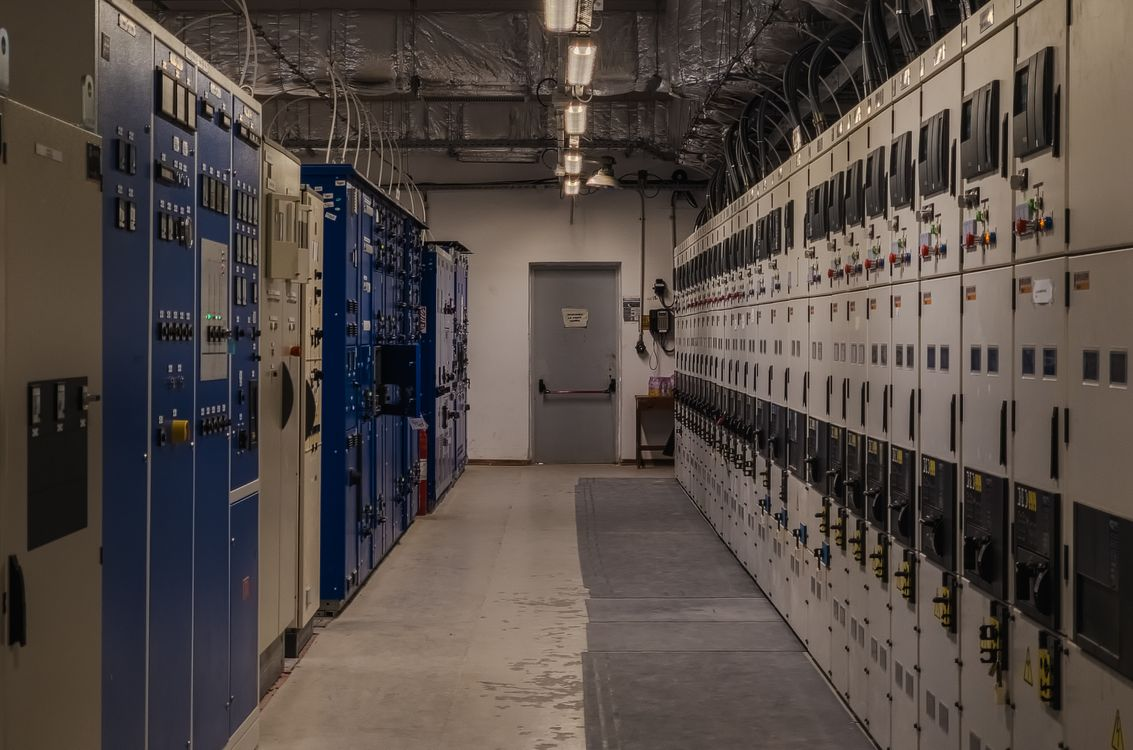
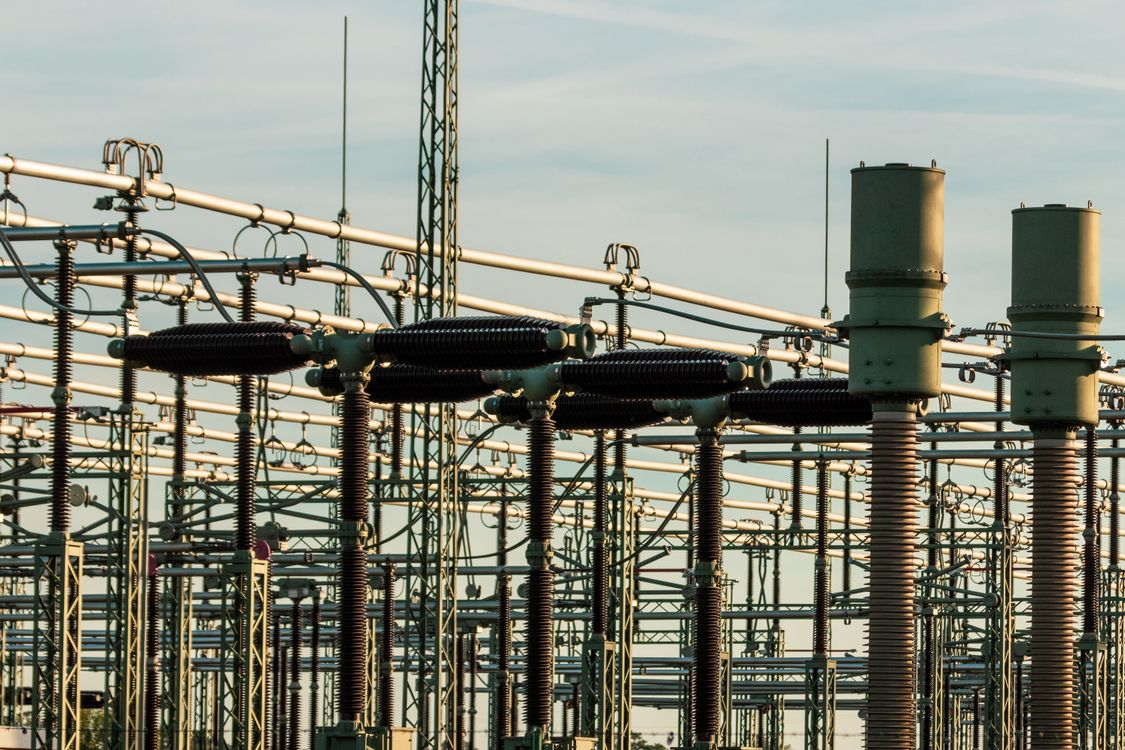
Blackhillock operates at 400kV in Scotland’s transmission network, where switchgear, busbars and connections must manage substantial electrical duties. Equipment that loses insulating gas requires an engineering response appropriate to its design, pressure limits and operating status. Taking an affected section out of service can involve switching arrangements and coordination with neighbouring circuits, while repair and return to operation require the applicable checks. Those asset-management processes remain distinct from the calculation of a network owner’s emissions incentive, which is the subject of Ofgem’s current decision.
A previous exceptional-event claim involving Blackhillock concerned a separate October 2024 leak and proceeded through its own regulatory process in 2025. The latest application identifies 12 August 2026 as the incident date and 25 August as the claim submission date. The distinct dates are material because the 2026 incentive must be assessed using the evidence and licence terms applicable to that occurrence. The consultation does not transfer conclusions or technical details from the earlier Blackhillock case.
Transmission network emissions accounting is changing alongside the equipment technologies available to asset owners. Conventional insulation arrangements, alternative gases and different switchgear designs have their own design, maintenance and qualification considerations. The incentive is intended to encourage reductions in leakage while allowing the price-control framework to recognise certain exceptional events. Approval of an individual claim would change the figure used for the incentive; sustained reductions in physical emissions still depend on equipment integrity, operational practices and replacement choices.
Ofgem’s consultation closes on 20 November 2026. Scottish Hydro Electric Transmission and other interested parties have a defined opportunity to make submissions before the regulator determines whether the August leak qualifies as an exceptional event. The resulting decision will settle the incentive accounting for this incident while the engineering task of maintaining gas containment remains with the transmission operator.