IN Brief:
- National Grid will invest up to £400m in the Interconnexion France-Angleterre electricity link, extending its planned operation to at least 2050.
- The jointly owned, 2GW high-voltage direct current connection has operated between Britain and France since 1986.
- Equipment and infrastructure upgrades will support continued electricity transfers in both directions, with National Grid's investment separate from RTE's undisclosed contribution.
National Grid will invest up to £400m in the Interconnexion France-Angleterre (IFA) electricity interconnector, extending the planned operating life of the 2GW connection between Britain and France to at least 2050. The programme covers essential technical equipment, buildings and supporting facilities at a high-voltage direct current (HVDC) link that has operated since 1986.
IFA is jointly owned by National Grid and French transmission system operator RTE. The £400m commitment represents National Grid’s investment in the life extension programme, while RTE’s proposed expenditure has not been disclosed. The project forms part of National Grid’s wider capital investment plans, which provide for at least £70bn of expenditure across the group over the five years to March 2031.
The cross-Channel connection runs between Sellindge in Kent and Les Mandarins near Calais, using converter stations, underground cable sections and approximately 45km of subsea cable. Its overall route is around 70km long. The installation was the first modern electricity interconnector between Great Britain and continental Europe and is now entering its fifth decade of operation.
High-voltage direct current transmission allows electricity to be exchanged between alternating current systems that operate under different synchronous conditions. At one terminal, converter equipment transforms alternating current into direct current for transmission through the cable. The receiving terminal converts it back into alternating current at the voltage and frequency required by the connected electricity network.
The direction of transfer can be changed according to the operational and commercial conditions prevailing in Britain and France. This allows electricity generated in either country to be supplied to the other, subject to the connection’s available capacity and the trading arrangements governing its use. Network conditions, equipment availability and scheduled maintenance can restrict the amount that can be transferred at any particular time.
IFA is configured with four 500MW circuits, providing a combined installed transfer capacity of 2,000MW. The rating describes the maximum power available under the connection’s specified operating conditions, rather than the electricity transferred continuously. Energy delivered over a period is measured separately in megawatt-hours or terawatt-hours, depending on the quantity involved.
National Grid estimates that cumulative net electricity imports through IFA have reached approximately 409TWh since the connection entered service. That figure reflects electricity transferred into Britain after accounting for flows in the opposite direction. It exceeds the country’s total electricity demand for 2025, which National Grid uses as a comparison when describing the scale of the interconnector’s historic contribution.
Although flows have predominantly been from France into Britain, IFA can also support French electricity supplies when generation and market conditions favour exports. Britain sent electricity to France during nuclear generation outages in 2022. Intraday trading can also reverse the direction of transfers as demand and electricity prices change on either side of the Channel.
Maintaining those operating capabilities requires the condition of converters, cables and associated electrical equipment to be managed throughout the asset’s life. Transformers, insulation systems, protection equipment, cooling arrangements and control systems all contribute to reliable operation. Wear, changes in component performance and equipment obsolescence can affect the availability of an installation even when its principal cable infrastructure remains serviceable.
The proposed renewal work will address essential technical equipment and the buildings and facilities supporting the interconnector. National Grid has not provided a component-by-component replacement programme, but upgrading an operating HVDC installation requires electrical and mechanical interfaces to be coordinated with the equipment that remains in service.
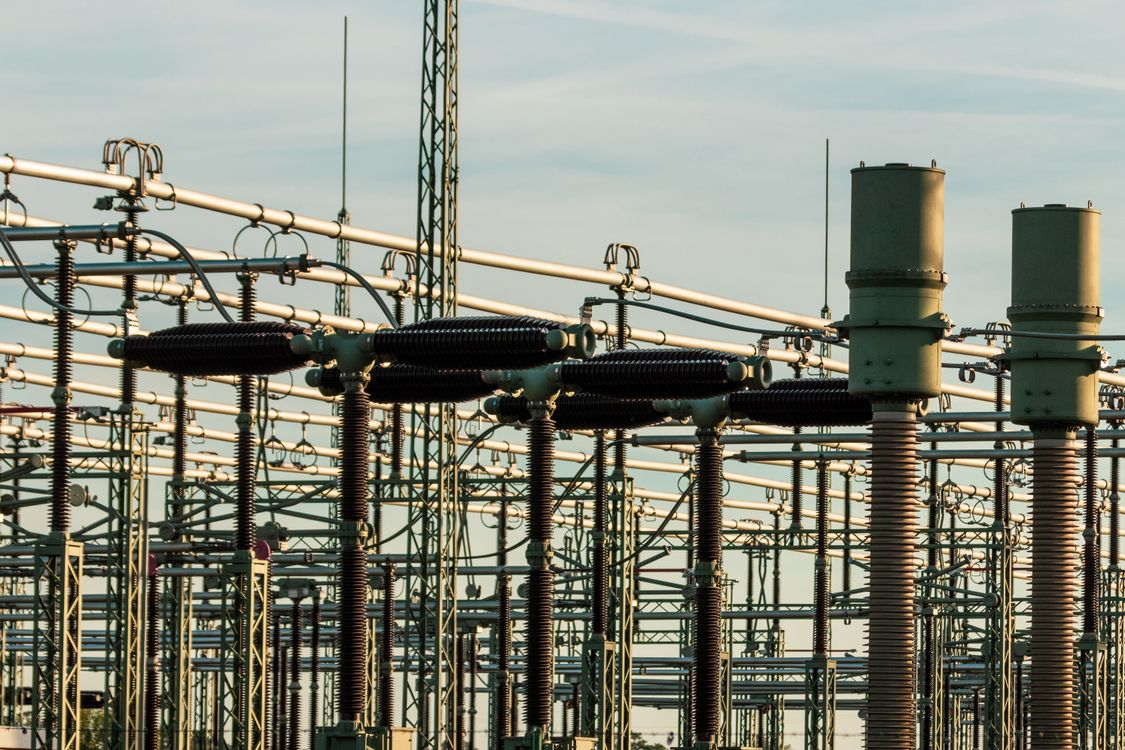
Converter equipment must manage substantial electrical power while controlling current, voltage and switching behaviour. Its cooling systems remove heat generated by power electronic components and associated equipment. Protection systems monitor electrical conditions and isolate faults, while control systems coordinate the operating instructions governing transfers between the two networks.
Changing equipment within an established installation can affect those interfaces. Replacement components must be compatible with the electrical ratings and operating characteristics of the wider system, and commissioning tests must demonstrate that their protection and control functions operate correctly. Work on individual circuits can require planned isolation, making the sequence of upgrades relevant to the amount of transfer capacity available during construction.
The project will also need to account for the condition of supporting infrastructure. Buildings accommodate equipment and provide the environmental conditions required for reliable electrical operation, while auxiliary supplies, ventilation and maintenance access support safe operation. Renewing facilities alongside technical equipment can extend the useful life of the whole installation rather than addressing individual electrical components in isolation.
Interconnector availability influences the amount of electricity that can be exchanged during periods of different generation and demand. Access to French generation can provide an alternative to more expensive domestic electricity production under some market conditions. The same connection allows surplus British electricity to be exported when domestic output exceeds demand and market arrangements favour transfers towards France.
National Grid estimates that its interconnector portfolio delivered £2bn in net benefits to British consumers between 2023 and July 2026 compared with the specified alternative of gas-fired generation. The estimate covers its wider interconnector activities rather than IFA alone. The company also reports that IFA has made payments of nearly £300m to British consumers since 2020 under the connection’s revenue arrangements.
Britain’s electricity system is expected to accommodate additional demand from transport electrification, data centres and industrial activity while integrating increasing volumes of renewable generation. Interconnectors provide cross-border transfer capability alongside domestic transmission infrastructure, flexible generation and energy storage. Their contribution depends on capacity being available when the connected markets require it.
IFA’s existing infrastructure provides a substantial transmission asset without requiring an entirely new cross-Channel connection. The planned investment will extend its service life through renewal and modernisation, with the detailed construction and outage programme still to be established. National Grid intends the resulting installation to remain operational until at least 2050, more than six decades after its original commissioning.