IN Brief:
- Underlying operating profit increased 21% to SEK 25.95bn for January–September 2026, while third-quarter underlying profit fell 38%.
- Outages at Ringhals 3 and 4 and weaker hydrological conditions reduced nuclear and hydroelectric output.
- The group reported progress across offshore wind, electricity distribution, battery storage, and charging infrastructure.
Vattenfall increased underlying operating profit by 21% to SEK 25.95bn during the first nine months of 2026, despite a weaker third quarter affected by nuclear outages and reduced hydropower production. The Swedish energy group’s interim results, published on 29 October, show underlying operating profit of SEK 3.81bn for July to September, down 38% from SEK 6.15bn in the corresponding period of 2025.
The stronger nine-month result reflected higher Nordic electricity prices and improved earnings contributions from wind power, customer sales and electricity distribution. Underlying operating profit increased from SEK 21.47bn to SEK 25.95bn, while reported operating profit rose 85% to SEK 33.06bn. Profit for the period increased 90% to SEK 24.84bn, compared with SEK 13.10bn a year earlier.
Reported operating profit includes items affecting comparability, which amounted to SEK 7.11bn during January to September 2026, compared with a negative SEK 3.65bn in the previous year. The difference accounts for part of the much larger increase in reported profit than in underlying operating earnings. Vattenfall uses underlying operating profit to show performance excluding those items.
July to September presented a different operating position. Underlying operating profit declined by approximately SEK 2.34bn, while reported operating profit increased 24% to SEK 4.20bn. Profit for the quarter fell 42% to SEK 1.31bn. The quarterly figures therefore reflect a combination of lower underlying earnings and changes in items affecting comparability rather than a uniform deterioration across every financial measure.
Electricity prices across the Nordic region more than doubled during the first nine months compared with the same period in 2025. Vattenfall attributed the increase principally to weaker hydrological conditions and higher electricity consumption early in the year, with continental electricity prices also affecting the interconnected southern Nordic markets during the third quarter.
Price movements differed between individual Nordic bidding areas. Northern Swedish electricity prices, where Vattenfall has substantial hydroelectric assets, remained considerably below the Nordic system price. Consequently, higher average prices across the region did not translate into identical increases in revenue for every generating station. The location of generation and the market area in which electricity is sold influence the prices received.
Electricity prices in Germany and the Netherlands increased by more than 20% over the nine-month period. Vattenfall linked those movements to higher gas prices and concerns about fuel storage ahead of winter. Gas-fired generating costs can affect wholesale electricity prices when those stations are needed to meet demand, although the extent of the effect varies with generation availability and market conditions.
Lower nuclear production offset part of the group’s improved earnings elsewhere. Outages at Ringhals 3 and Ringhals 4 reduced the electricity supplied by Vattenfall’s nuclear operations, with the effect particularly evident during the third quarter. Because each reactor represents substantial generating capacity, an outage can remove a significant volume of electricity from the operating portfolio until the unit returns to service.
Hydroelectric production also declined as the hydrological balance weakened. Water inflows, reservoir storage and the available hydraulic head influence the energy that hydroelectric stations can produce. Operators must coordinate generation with reservoir conditions, environmental obligations and future water availability, which can constrain output even when wholesale prices are comparatively favourable.
Those operating constraints affected the generation portfolio while wind, customer sales and distribution contributed stronger earnings over the nine-month period. Distribution revenue and expenditure follow different operating arrangements from wholesale generation, with network investment, regulatory conditions and service delivery influencing results. Customer sales businesses are similarly exposed to their own supply contracts and purchasing arrangements.
Vattenfall’s investment activities continued across several European electricity markets. During the third quarter, the company secured Danish offshore wind tender awards for Hesselø, with approximately 800MW of planned capacity, and North Sea I Mid, rated at 1GW. The projects must progress through their subsequent development, engineering and delivery stages before their proposed capacity can enter operation.
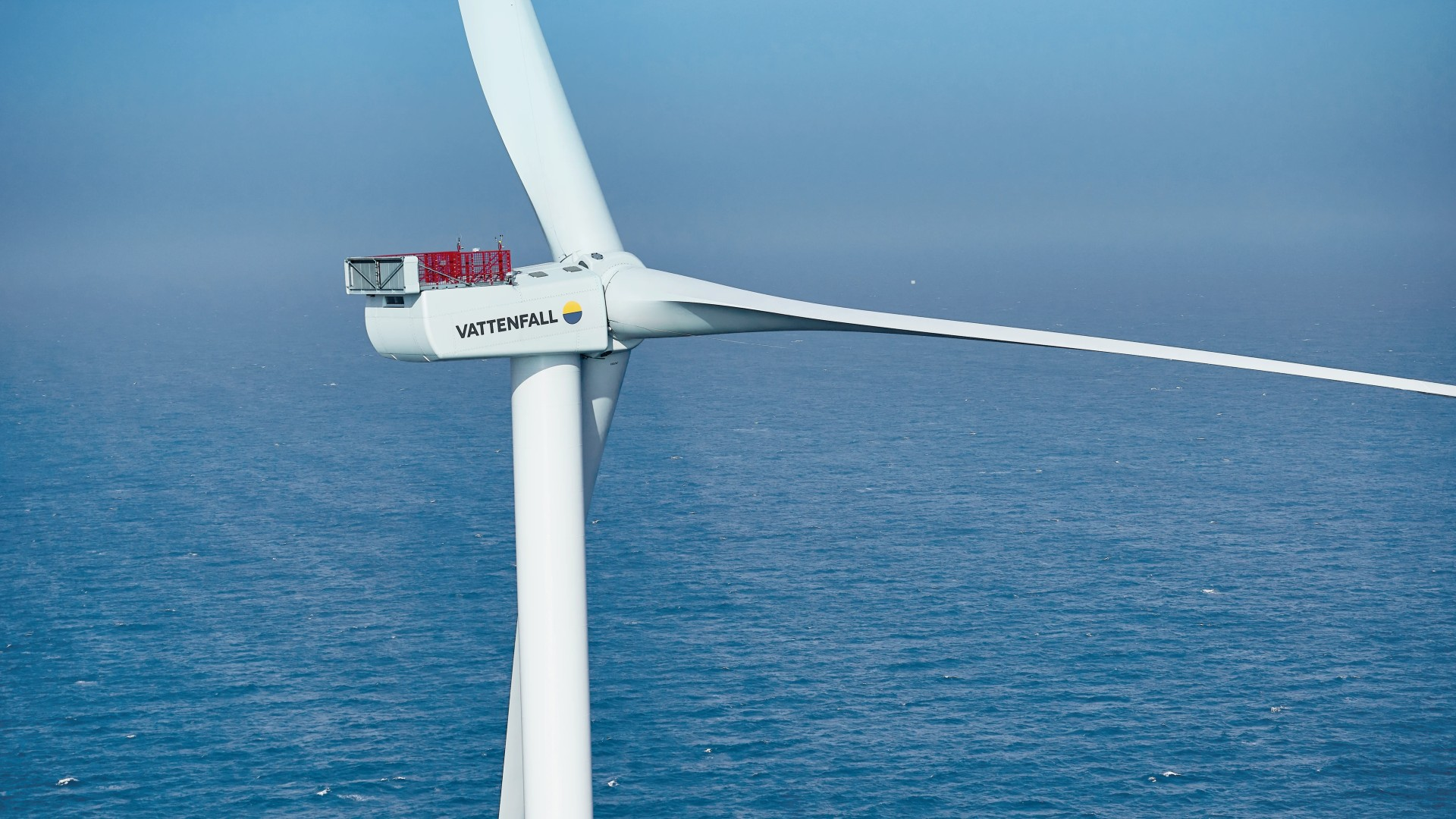
Offshore construction also began at the 1GW Nordlicht I wind farm in the German North Sea. Building the project requires coordination of offshore foundations, turbines, inter-array electrical infrastructure and the facilities needed to transmit generated electricity towards the onshore network. Completion of those systems and their commissioning will determine when the planned generating capacity becomes commercially available.
In Germany, Vattenfall had previously taken a final investment decision on its Brunsbüttel battery project, which is designed for 254MW of power and approximately 1,000MWh of storage. The installation has a nominal discharge duration of about 3.9 hours at its full rated power. The October financial results include the project among the group’s investment developments, although the investment decision itself was taken before the reporting date.
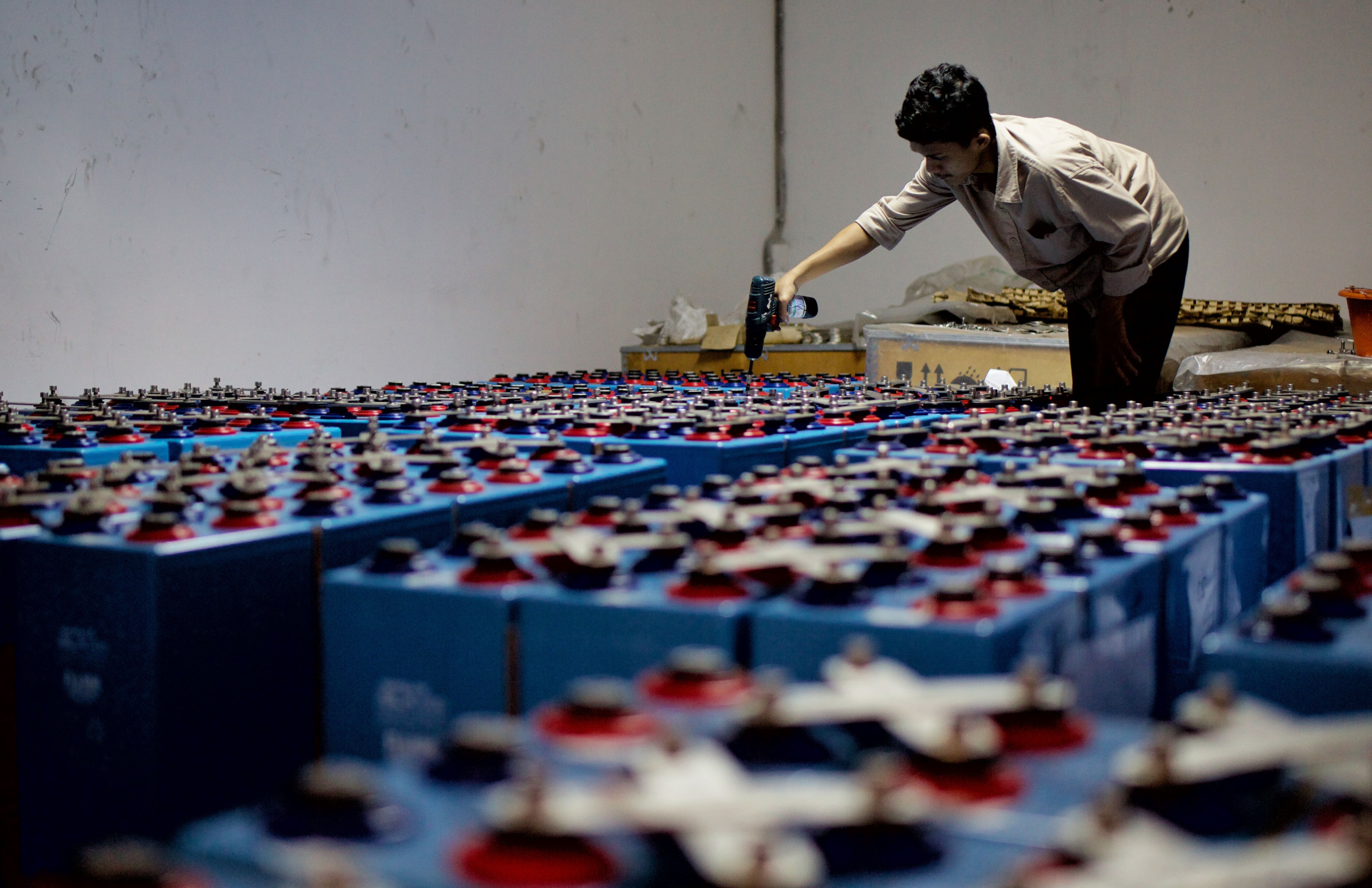
Battery installations regulate charging and discharge through power conversion equipment connected to the electricity network. Their dispatch can respond to wholesale price movements and balancing requirements, constrained by stored energy, inverter capacity and connection limits. Vattenfall also reported long-term agreements to optimise battery installations in Germany and the Netherlands, expanding its activities in the commercial management of electricity storage.
These optimisation arrangements require coordination between market instructions and the physical limits of individual batteries. An operator scheduling energy trading must maintain sufficient charge for discharge periods and respect any commitments to balancing services. Conversion losses, battery operating restrictions and the availability of the grid connection affect the energy that can be delivered through those contracts.
In northern Sweden, the group secured a permit for a new power line section serving the Svartön industrial area in Luleå. The infrastructure will support electricity network capacity for industrial development, where additional electrical demand can require new conductors, substations and protection arrangements. Before the new connection can enter operation, the relevant construction, testing and energisation requirements must be completed.
Vattenfall also expanded its Swedish public charging network through the acquisition of Nima Energy’s ultra-fast charging business. High-power charging installations create substantial electrical loads, requiring suitable distribution connections and equipment capable of supplying the specified charging power. Their integration adds another element to the group’s electricity infrastructure and customer-facing activities.
The reported investment milestones span projects with different commercial and technical requirements. Offshore wind development creates future generating capacity, batteries add controllable power and stored energy, while distribution reinforcement provides network capability for existing and new users. Their delivery programmes will proceed independently of the quarterly movements in electricity prices and generating output.
Vattenfall’s nine-month results show stronger underlying earnings across the reporting period, alongside a third-quarter reduction caused partly by limitations on nuclear and hydroelectric generation. The next scheduled financial assessment is the full-year 2026 report on 4 February 2027, when the company will report the final quarter’s operating and financial performance.