IN Brief:
- Scottish Hydro Electric Power Distribution has awarded a mechanical maintenance framework valued at £10m excluding VAT.
- Ocean Kinetics, AJT Engineering, I M Murray Engineering and Gordon Diesel Services are named among the framework suppliers.
- The four-lot arrangement covers eight embedded generation locations and is scheduled to run from 16 November 2026 to 15 November 2030.
Scottish Hydro Electric Power Distribution has awarded a £10m mechanical maintenance framework covering eight embedded generation locations across northern Scotland. The arrangement provides access to contractors undertaking fabrication, pipework, welding and tank maintenance at generating facilities used to support electricity supplies in remote communities. Named suppliers include Ocean Kinetics, AJT Engineering, I M Murray Engineering and Gordon Diesel Services.
The framework is organised into four geographical lots and is scheduled to run from 16 November 2026 until 15 November 2030. Its £10m value excludes VAT, with the published total including VAT reported as £12m. The figure represents the framework’s overall award value, rather than expenditure already incurred or separate £10m commitments to individual contractors.
Scottish Hydro Electric Power Distribution operates within Scottish and Southern Electricity Networks (SSEN), which manages electricity distribution infrastructure across northern Scotland and central southern England. Its northern licence area covers approximately a quarter of the UK’s land mass, including remote island communities where subsea connections and locally available generation play important roles in electricity supply.
The distribution network includes 59 island communities supplied or interconnected through approximately 110 subsea cables with a combined length of 454km. These cables provide electrical connections between communities and the wider network, but their marine locations can complicate fault investigation and repair. Cable outages may require specialist vessels, replacement equipment and suitable weather conditions before an affected connection can be restored.
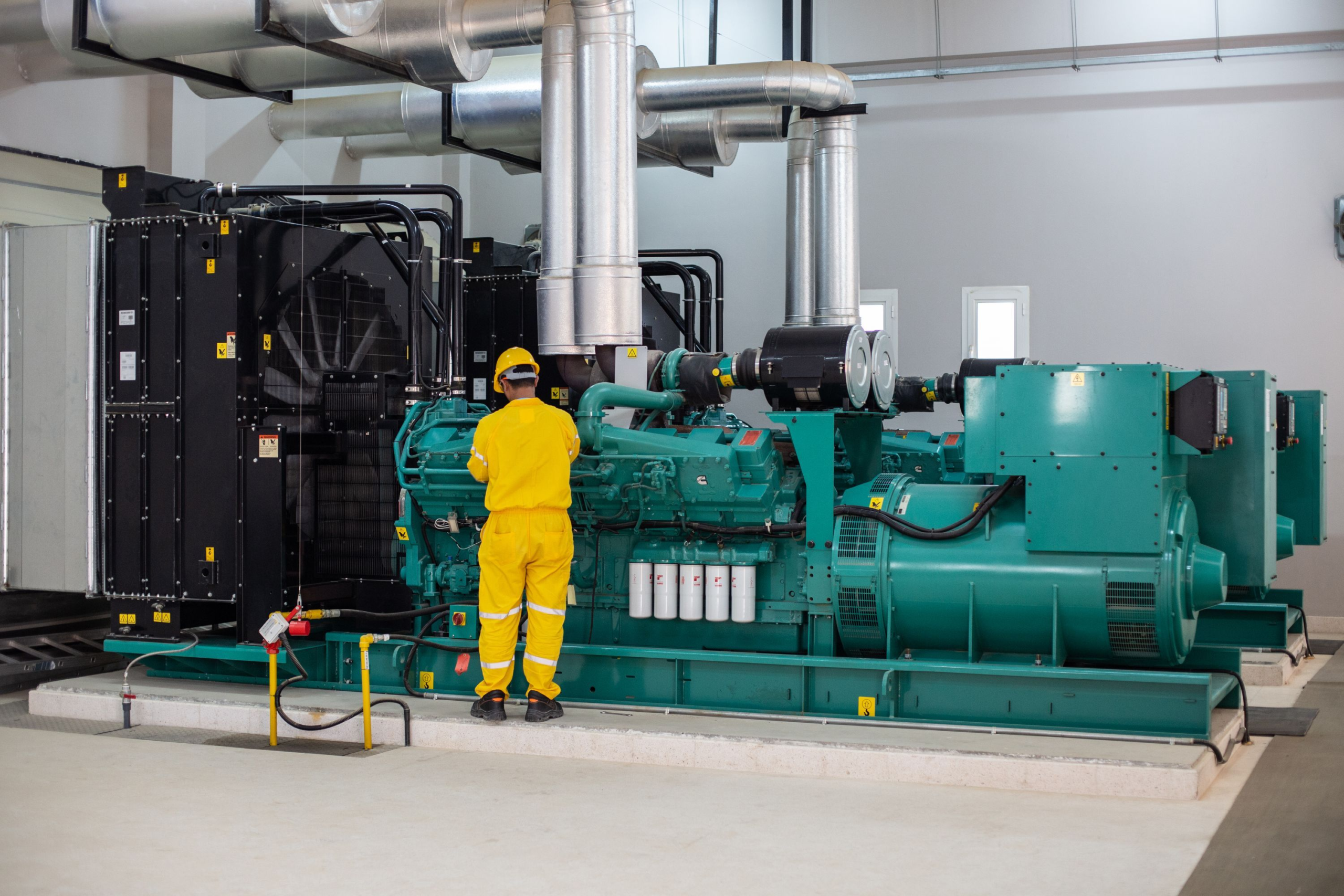
To support continuity of supply, SSEN operates seven distributed embedded generation facilities and one thermal embedded generation installation. These assets provide local electricity generation where the network’s normal cable arrangements are interrupted or otherwise unavailable. The thermal generation facility has a different operating role and has been described as providing continuous supply for Shetland ahead of a planned transition towards standby operation.
Embedded generation is connected within or close to the distribution networks it supports. Its operating arrangements depend on the electrical characteristics of the local network, the demand being supplied and the status of external connections. During some cable outages, generating equipment can provide an alternative source of electricity while network operators arrange repairs or manage temporary supply configurations.
The availability of that generation depends on the condition of its mechanical equipment as well as its electrical systems. Engines and associated machinery require functioning fuel, cooling, lubrication and exhaust arrangements. A fault affecting pipework, tanks or supporting structures can prevent a generating unit from starting or sustaining output, even where the alternator and electrical connection equipment remain serviceable.
The new framework provides mechanical engineering support across those facilities. Its scope includes general fabrication, pipe welding, structural welding, pipe fitting, mechanical fitting, tank maintenance and specialist steelwork. Contractors may be required to inspect, repair or replace components according to the condition of the installed equipment and the operational requirements of the relevant generation site.
Pipework repairs can involve replacing damaged sections, restoring connections and modifying assemblies to accommodate replacement equipment. The work must account for the materials carried through the system and the operating conditions to which the pipework is exposed. Fuel lines, cooling circuits and other mechanical services can have different pressure, temperature and material compatibility requirements.
Welding and fabrication activities must also preserve the integrity of repaired components. The selected methods depend on the material, component design and intended service. Inspection and testing following repair establish whether the work meets the required acceptance criteria before the relevant system can return to normal operation.
Tank maintenance adds requirements for safe isolation and access. Storage vessels may contain fuel or other operational fluids, requiring suitable procedures before internal inspection or repair can begin. The condition of the tank structure, connections and supporting equipment affects both the reliability of the installation and its ability to manage stored materials safely.
Those activities must be coordinated with the availability of the generating station. Where a facility forms part of a remote community’s standby arrangements, taking equipment out of service for maintenance affects the generation capacity available during a network interruption. SSEN and its contractors must therefore schedule work against the operating status of the relevant units and the condition of the surrounding distribution network.
The four framework lots cover Lerwick and Kirkwall, Loch Carnan and Barra, Battery Point and Arnish, and Bowmore and Tiree. Organising the work geographically allows contractors to plan maintenance around groups of facilities, although individual requirements will depend on the equipment installed and the repairs identified at each location.
Transport arrangements are particularly important when mechanical components, specialist tools and engineering personnel are required at remote sites. Replacement assemblies may need to be moved by road, ferry or other available transport services, with delivery times influenced by location and access conditions. Planning spare parts and specialist labour can therefore affect the time needed to complete repairs after a defect is identified.
Ocean Kinetics is based in Lerwick, while AJT Engineering operates from Aberdeen. I M Murray Engineering and Gordon Diesel Services are based in Stornoway. Their participation provides named engineering businesses through which SSEN can procure the maintenance services covered by the framework, subject to the arrangements governing the relevant lots and subsequent work orders.
The latest award follows a procurement process that began in 2025. The earlier tender estimated the overall framework value at £9m excluding VAT, while the October 2026 award record reports £10m. The later figure is used for the awarded framework, with the original estimate retained only as background to the procurement process.
Framework agreements establish contractual arrangements under which specified services can be purchased during an agreed period. Actual maintenance expenditure depends on the work required and the orders placed. The existence of several suppliers does not mean that the entire published framework value has been allocated as guaranteed expenditure to each participating contractor.
SSEN’s embedded generation facilities have developed around the needs of island electricity networks. Some diesel generating installations date from the period before subsea cable connections became widely available, while others have been retained or adapted to provide supply resilience as the network changed. Their continuing role requires mechanical and electrical equipment to remain available under operating conditions that may differ from normal grid-connected service.
When a local generating installation is required, its electrical output must be coordinated with the connected network. Alternators, voltage regulation equipment, protection systems and switching arrangements must operate within the conditions established for the supply configuration. The mechanical plant must provide the shaft power required by the alternator, making fuel delivery, cooling and engine performance essential to electrical operation.
Maintenance completion can therefore involve both mechanical checks and verification of the generating unit’s operation. Repaired systems may need leak testing, functional checks and controlled operation before equipment is released for service. Work affecting the engine or its auxiliaries must be coordinated with the station’s electrical controls and operational procedures.
The framework is due to take effect in November, providing a four-year arrangement for mechanical support across the identified generation sites. Scottish Hydro will use the appointed suppliers to undertake work as maintenance and repair requirements arise, supporting the availability of local generating equipment alongside its subsea distribution network.