
Digitalisation
—
-
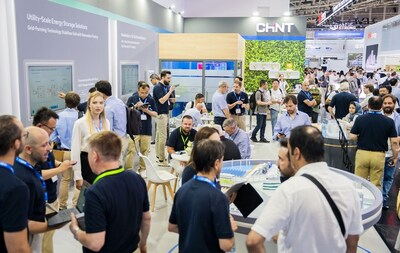
Huawei has expanded its grid-forming strategy for renewable-heavy European systems. The LUTERRA platform combines battery storage, power conversion, digital control, synthetic inertia, black-start capability, voltage support, and coordinated management of generation and demand.
-
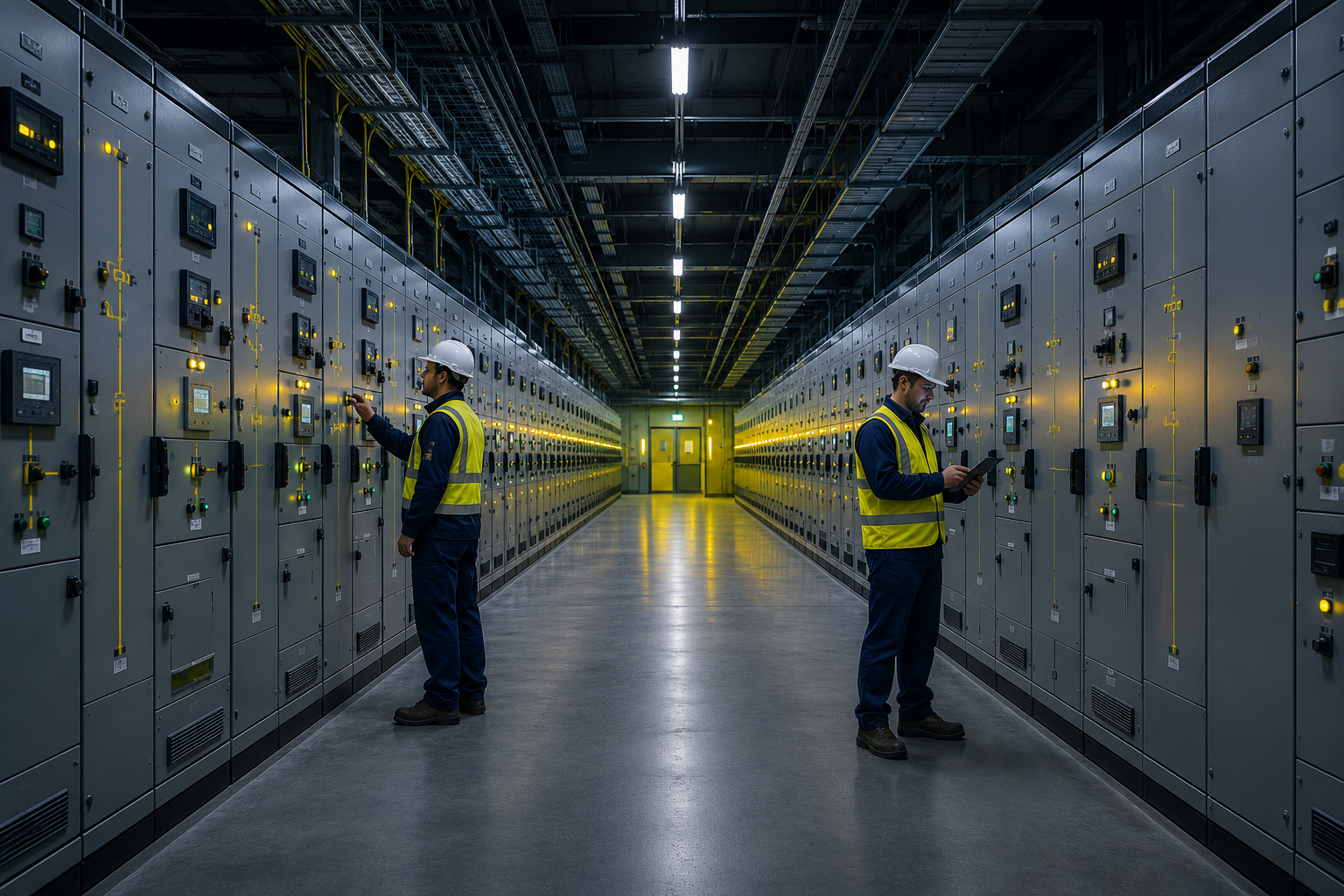
ABB has backed Gridcog’s software for modelling flexible energy projects. The $10 million round will support expansion across markets and technologies.
-
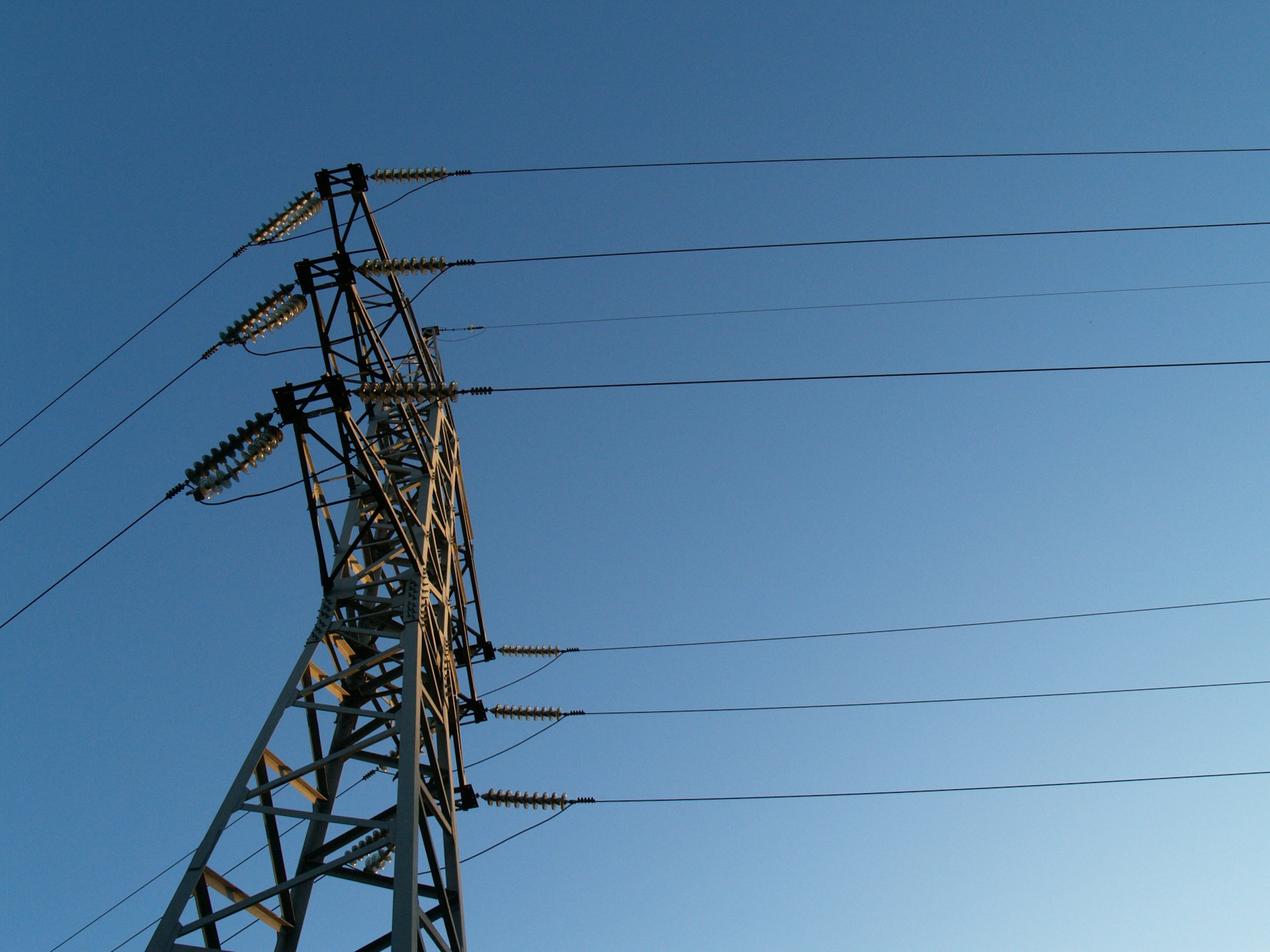
Schleswig-Holstein’s grid operator faces unprecedented demand for new connections statewide. Almost 60GW of wind, solar, and battery applications await assessment.
-
Europe’s storage requirement is moving rapidly beyond incremental deployment targets. A draft action plan places storage, flexibility, and digital control at the centre of EU electrification policy.
-
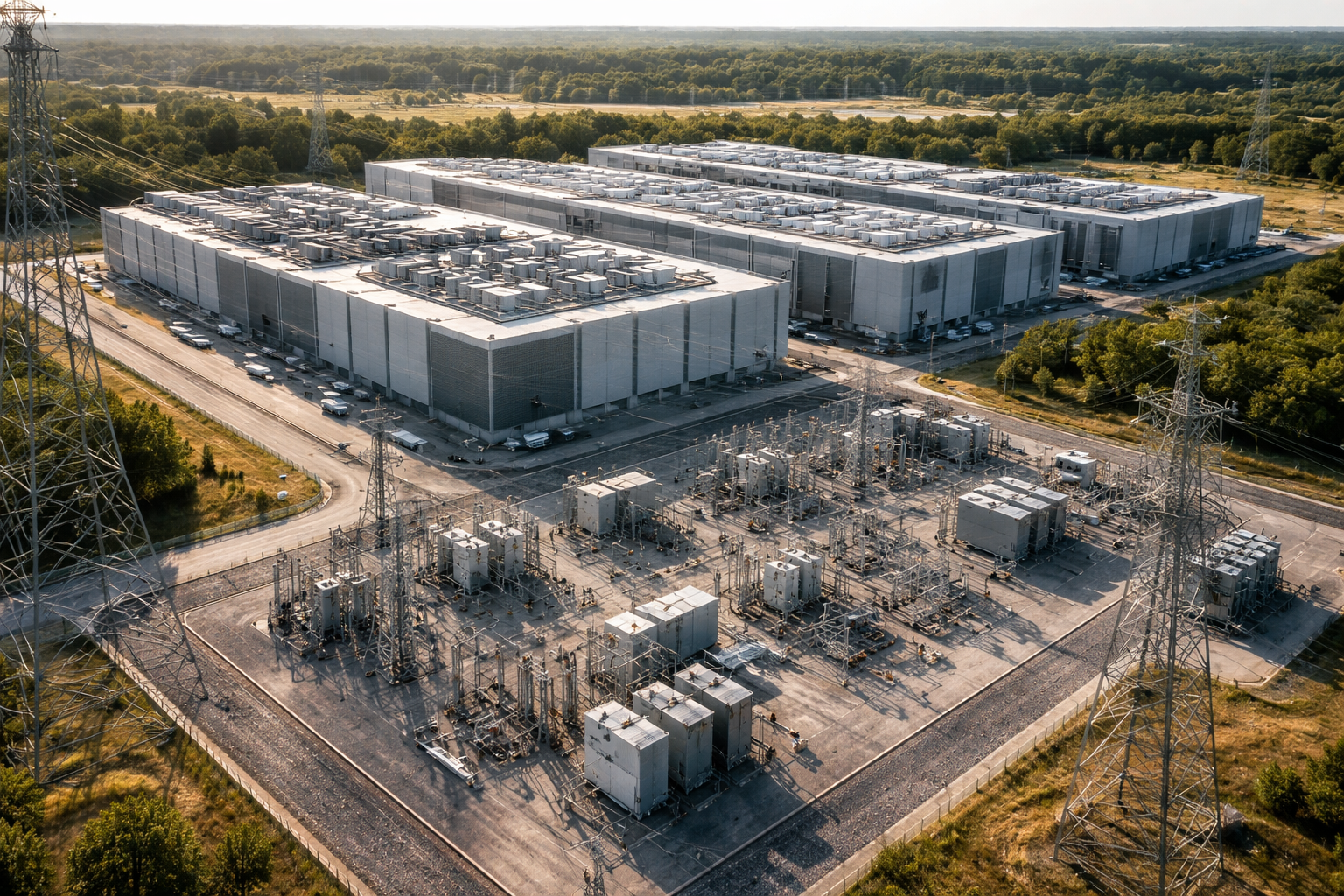
A delayed grid connection is testing Essex AI infrastructure plans. The proposed campus requires 50MW initially and is designed to scale toward 90MW.
-
Britain’s flexibility roadmap sets new priorities for storage and demand. Half-hourly settlement, V2X charging, interoperability, and industrial participation move further into implementation.
-
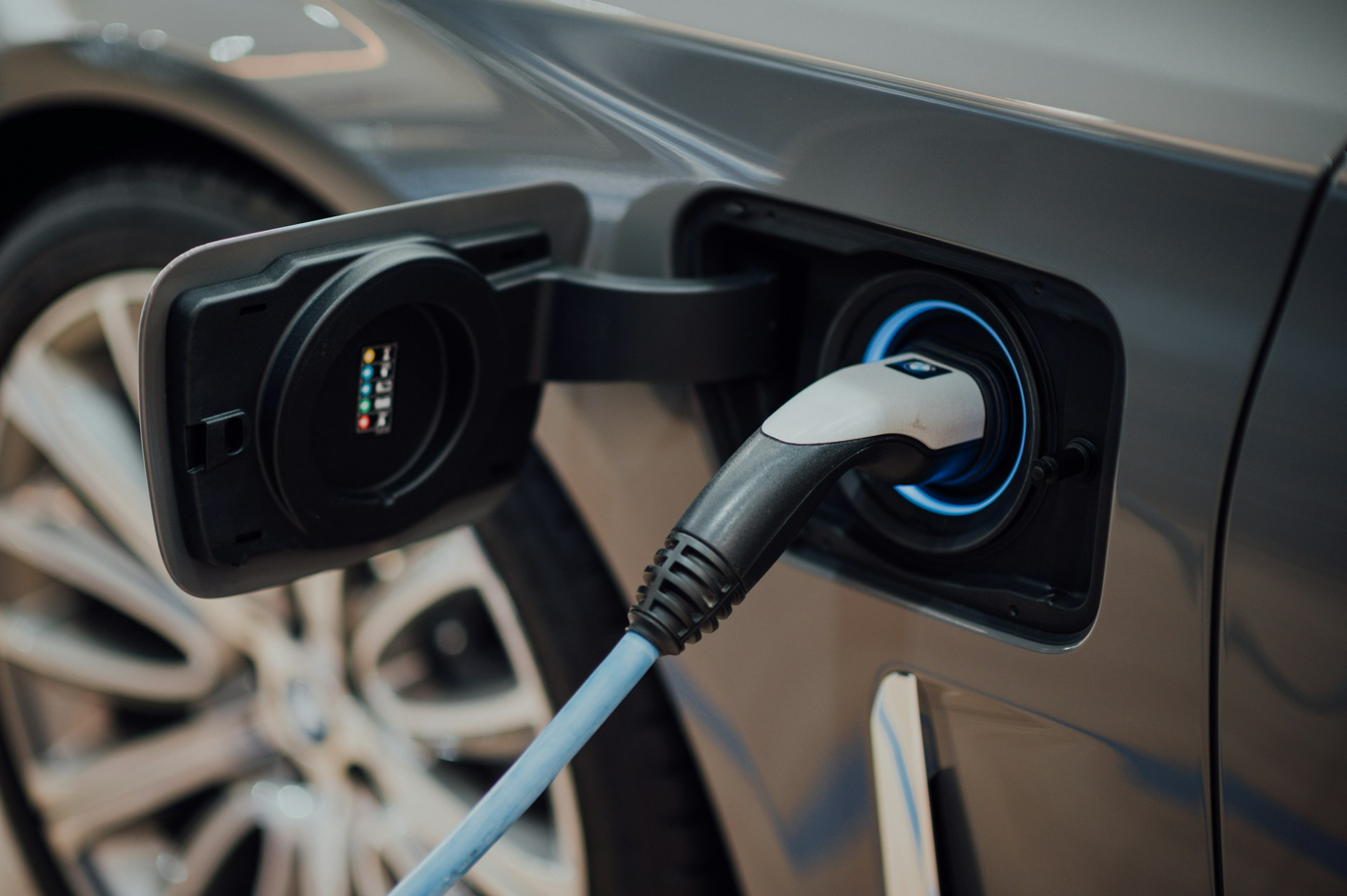
A Finnish charging acquisition will consolidate Helsinki’s public network operations. Plugit will take over 798 charging points and more than 55,000 existing users.
-
Eviny and Mer will combine their Nordic fast-charging business operations. The merged company will serve more than one million registered customers across Norway, Sweden, and Denmark, with Germany potentially following.
-
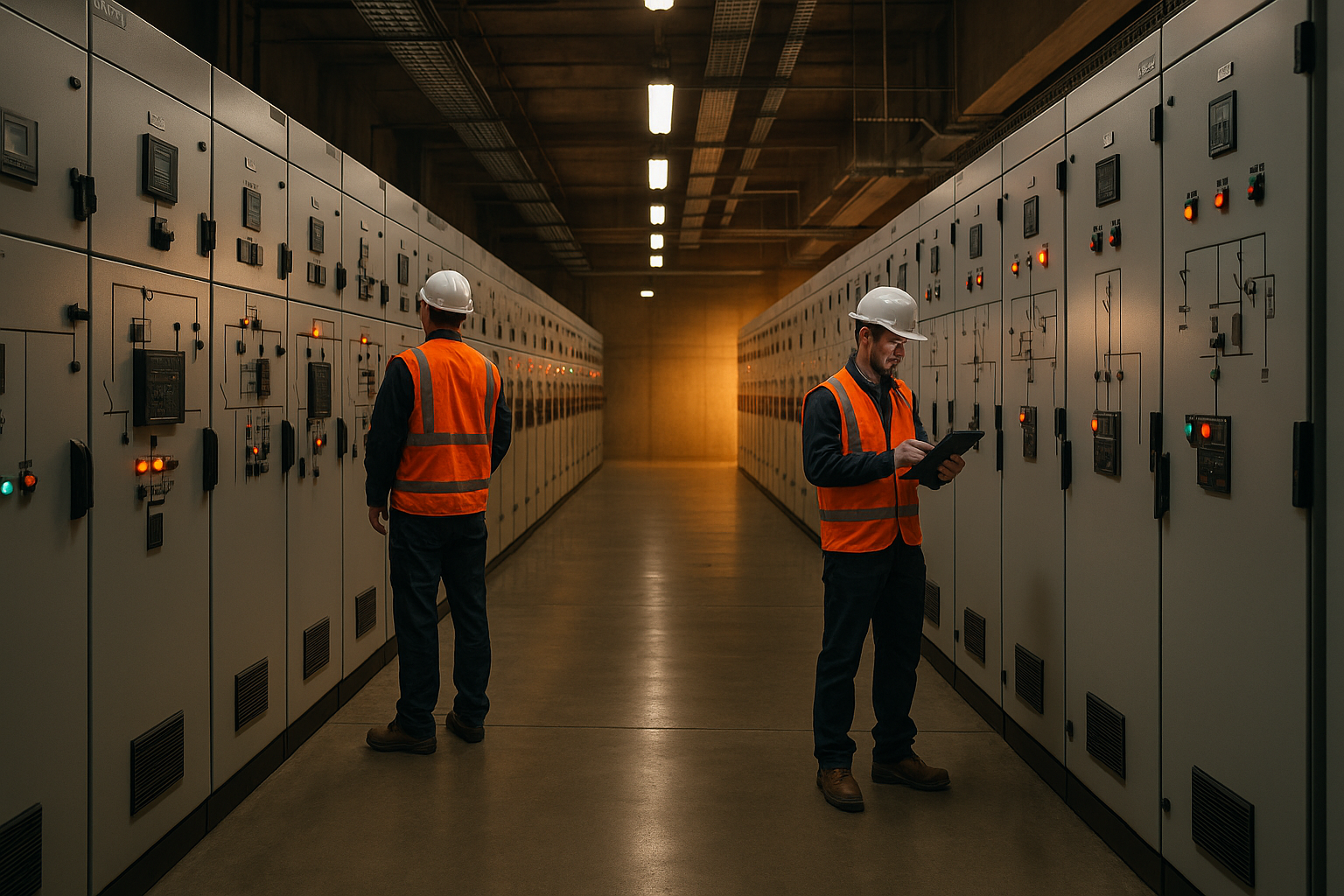
E.ON has extended its Aachen energy research partnership through 2031. The €7.5 million programme covers smart grids, storage, low-temperature heat networks, and commercial development of an AI-based substation controller.
-
WSCAD’s survey shows electrical design teams under global delivery pressure. The study of 1,267 electrical CAD users points to workforce shortages, project complexity, documentation workload, and growing interest in AI-assisted engineering.