
Digitalisation
—
-

Gateway 14 has deployed DALI-2 controls across its innovation centre. Occupancy sensing, daylight harvesting, emergency testing, energy monitoring, and BMS integration support adaptable operation across the £18.8 million development.
-
Ofgem proposes binding data-practice duties for licensed energy code managers. The consultation would place digitalisation strategies, interoperability, accessibility, and data-governance requirements within standard licence conditions.
-
Luminus is extending operational technology security across its generation portfolio. SecureOT will cover thermal, hydro, wind, and battery assets through vendor-neutral inventory, vulnerability management, and risk prioritisation.
-
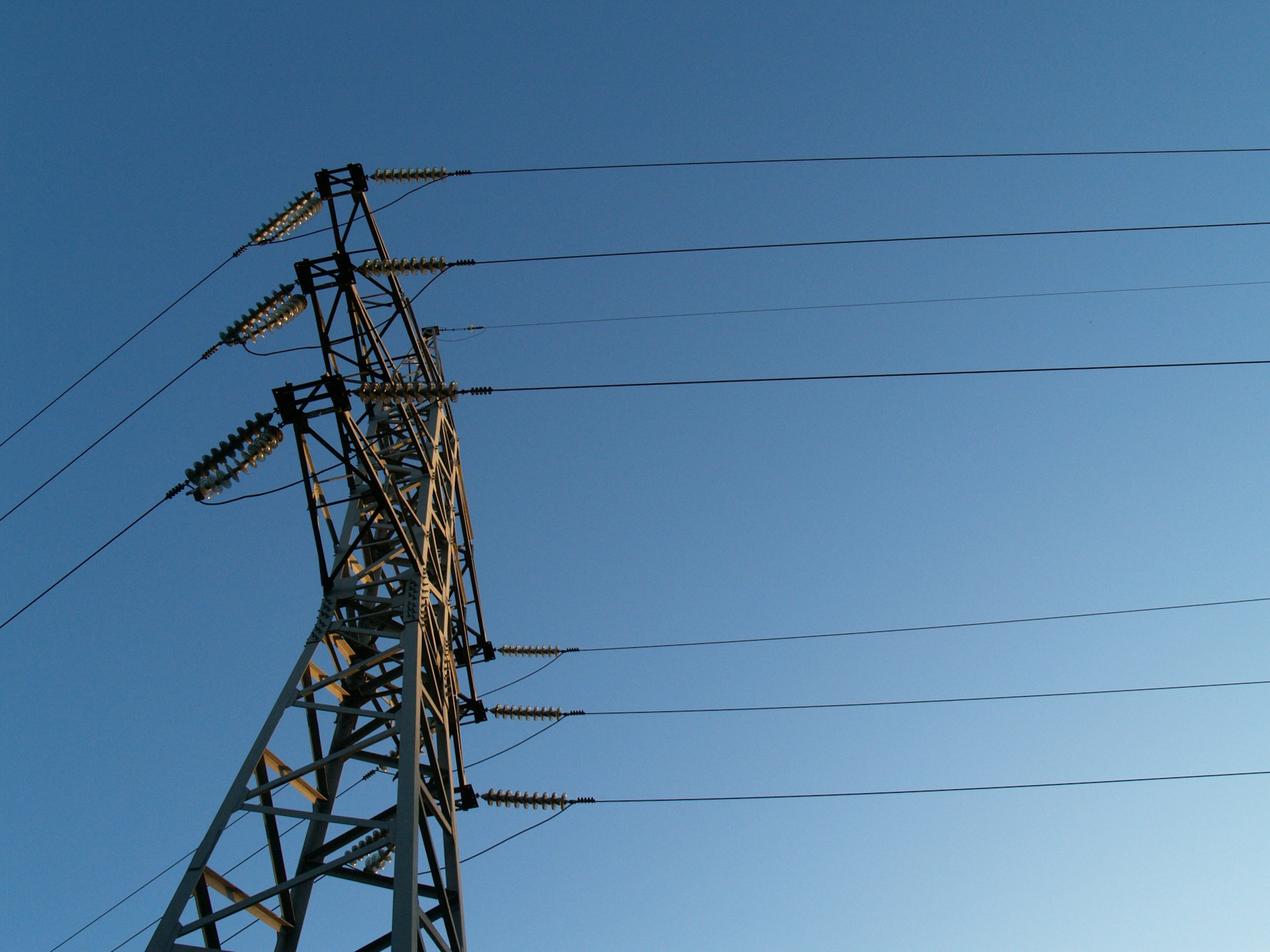
European transmission operators want stronger investment conditions for electrification delivery. ENTSO-E is seeking regulation that recognises resilience, cybersecurity, flexibility, and system stability alongside cost efficiency.
-
Ofgem has proposed a coordinating role for energy data domains. The framework targets standardisation, interoperability, accessibility, governance, and improved system-wide use of operational information.
-

Northampton Saints has completed a broad stadium lighting efficiency upgrade. The first phase combines LED luminaires, DALI controls, and emergency-lighting equipment across hospitality, circulation, staff, and spectator areas.
-
Britain’s lighting market is returning toward growth through retrofit demand. LED replacement, connected controls, building regulation, and recovering non-residential construction are reshaping product specification and electrical installation work.
-
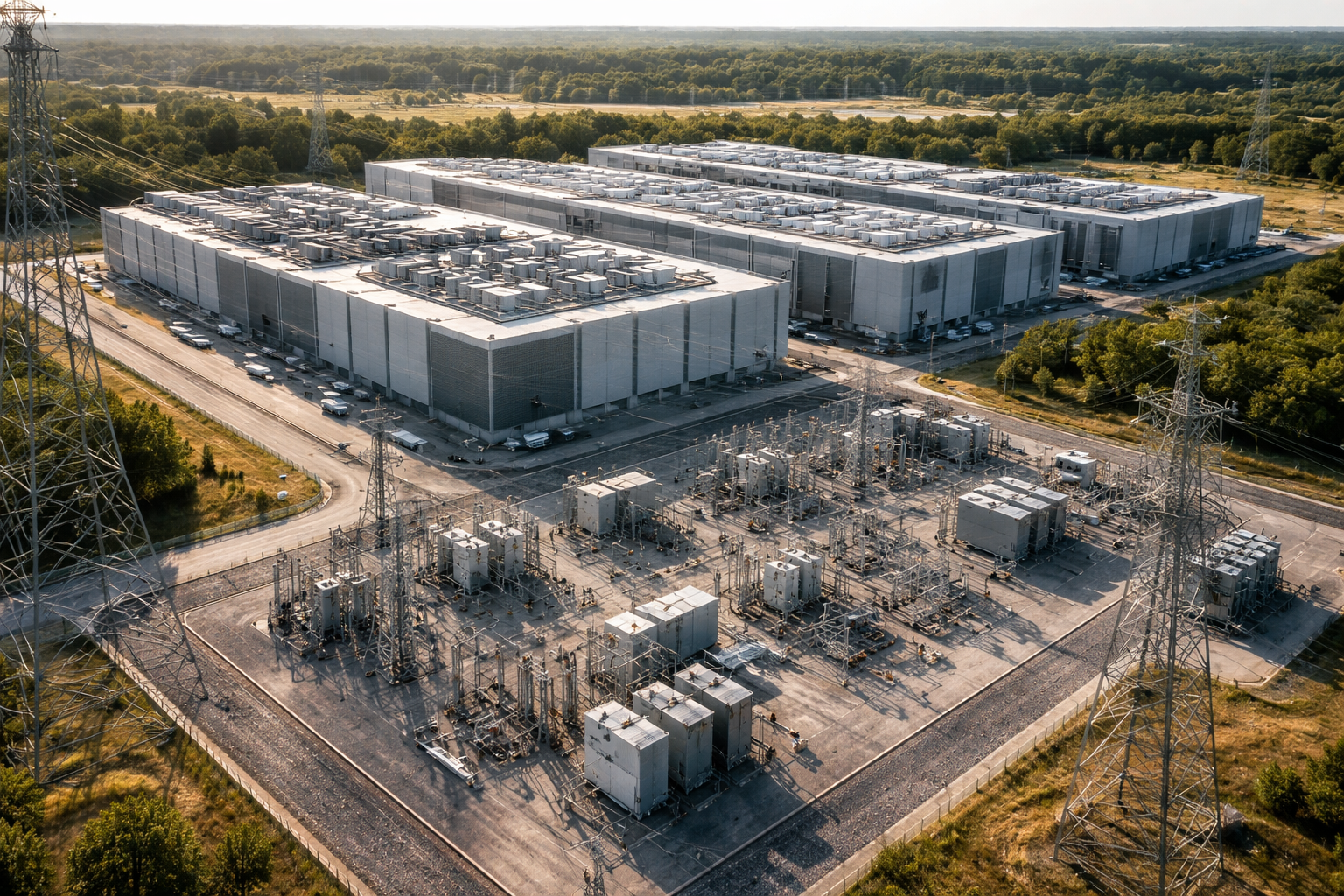
Data-centre batteries could materially reduce pressure on constrained electricity networks. Analysis of 96 British facilities indicates that onsite storage could lower their peak grid imports by between 10% and 15%.
-
Siemens has introduced semiconductor-based circuit protection to Britain’s market portfolio. SENTRON ECPD combines rapid fault interruption with switching, measurement, communication, diagnostics, and remote operational functions.
-
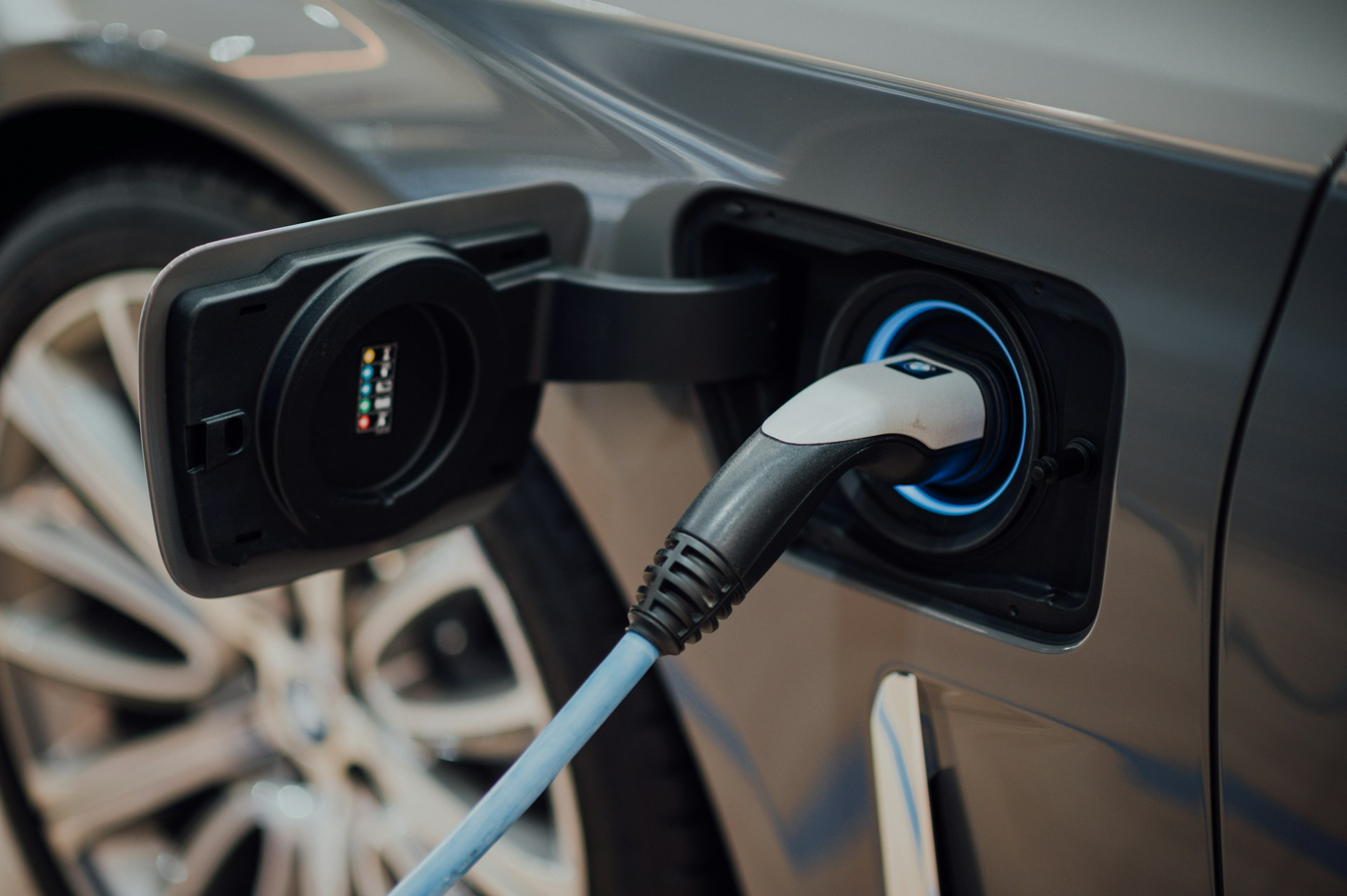
UK Power Networks has substantially expanded its charging-planning digital platform. New connection insights give councils earlier indications of site viability, likely cost, eligibility, and delivery timescales.