IN Brief:
- A draft European Commission plan estimates that the EU could require 200GW of energy storage by 2030.
- Proposed measures cover long-duration storage, distributed flexibility, vehicle-to-grid charging, and digitally controlled industrial demand.
- Delivery will depend on market reform, faster grid connections, interoperable controls, and investable revenue mechanisms.
A draft electrification action plan from the European Commission has placed a potential 200GW energy-storage requirement at the centre of the European Union’s effort to increase direct electricity use by 2030.
Compared with the approximately 55GW of storage expected to be operating across the bloc by the end of 2026, the figure would require an unusually rapid expansion of development, manufacturing, construction, and grid-connection activity. The wider plan also considers flexible industrial demand, distributed batteries, electric vehicles, heat pumps, and software-controlled loads.
Although the document remains in draft form and individual measures may change before publication, its direction reflects a practical constraint already evident across European power systems. Wind and solar capacity are being developed more quickly than the networks, markets, and flexible assets required to absorb their output consistently, increasing exposure to congestion, curtailment, and periods of very low or negative electricity prices.
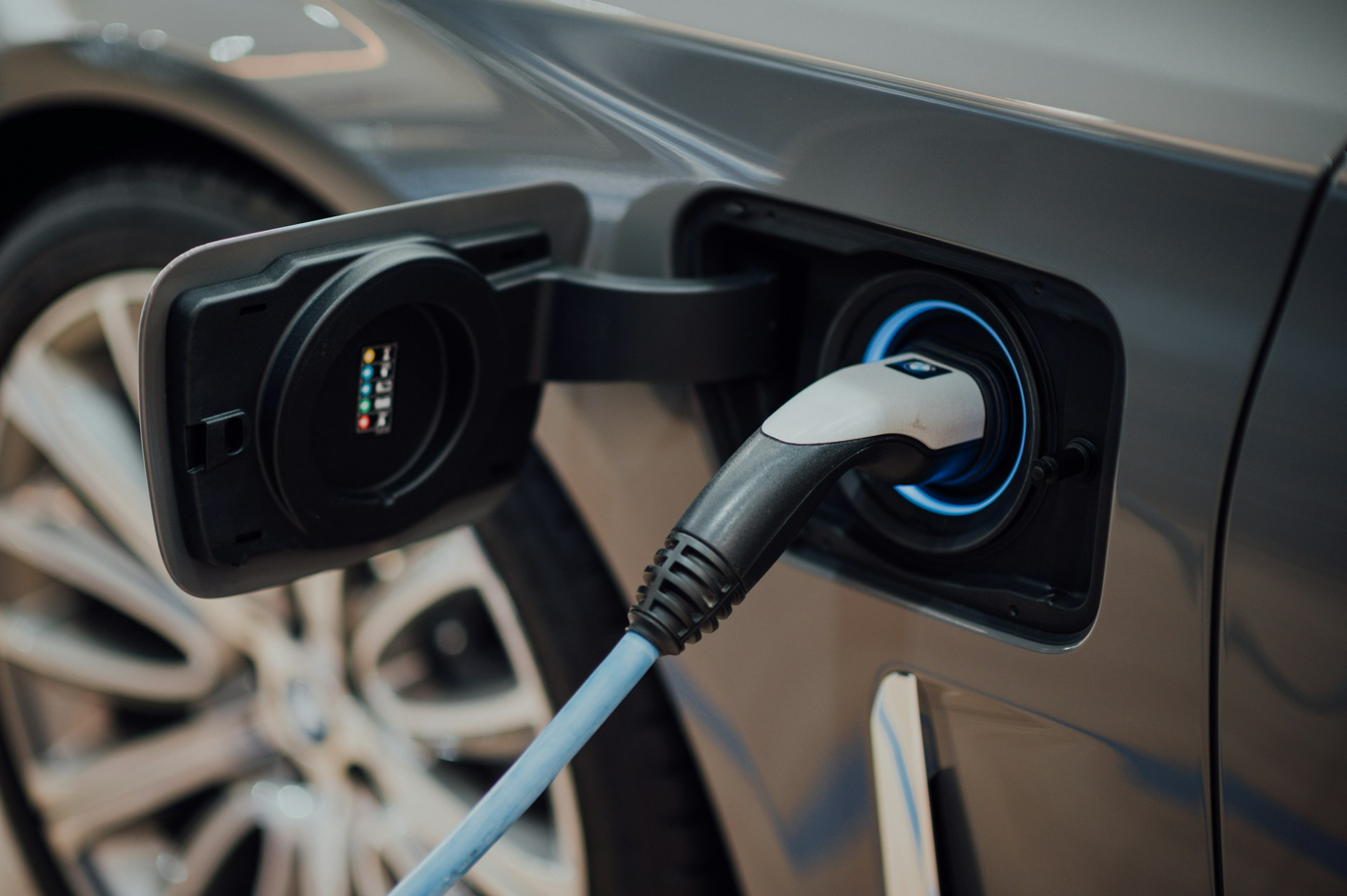
Measures under consideration include improved revenue arrangements for long-duration energy storage, clearer access to flexibility markets for distributed assets, and greater use of bidirectional electric-vehicle charging. Commercial buildings, industrial equipment, data centres, heating systems, and aggregated domestic devices could also participate more actively in balancing supply and demand, provided operators can verify their availability and delivered response.
An agreement involving 22 member states could support between 30GW and 35GW of storage deployment during 2026–2028, yet even that volume would leave a substantial gap between the late-decade operating fleet and the 200GW level identified for 2030. Planning consent, land, grid studies, equipment procurement, financing, construction capacity, and commissioning resources will consequently carry as much weight as the headline target.
No single storage technology can cover every system requirement. Lithium-ion batteries are well suited to frequency services, intraday trading, congestion management, and shifting solar output into evening demand, whereas longer periods of low renewable production require technologies capable of sustaining discharge for many hours or days. Flow batteries, thermal storage, compressed-air systems, pumped storage, and other forms of dispatchable flexibility may therefore need distinct commercial arrangements.
Project location will determine how effectively the capacity supports the network. Batteries connected at constrained points can absorb surplus generation and release it when local or national conditions tighten, but their value depends on operating permissions, protection settings, metering, communications, dispatch interfaces, and the charging or export limits written into connection agreements. A nominal power rating alone reveals little about duration, response speed, availability, or usable operating range.
As flexible resources become more numerous, digital coordination is moving into the core of grid operation. Aggregators and system operators need dependable telemetry, common data structures, secure remote control, accurate forecasting, and settlement systems capable of handling thousands of comparatively small assets. Cybersecurity, fallback operation, and clear control hierarchies become increasingly important when distributed equipment begins to perform functions once delivered by a smaller number of large generating units.
The same system-planning challenge is evident in the latest ENTSO-E and ENTSOG scenarios, which show electricity demand rising while changing its timing, geography, and dependence on weather. Storage can reduce peaks and increase the utilisation of existing assets, but it cannot remove the requirement for reinforced transmission and distribution capacity.
Investment conditions will shape the technology mix that reaches operation. Short-duration batteries can combine wholesale trading, balancing, ancillary services, and capacity revenues, although increasing competition can compress individual markets. Longer-duration projects usually require greater capital commitment and may need availability payments, cap-and-floor structures, contracted services, or regulated procurement before lenders will accept their construction and market risks.
Interoperability will also require firmer technical standards. Vehicle chargers, batteries, heat pumps, industrial controls, and aggregation platforms must exchange data without creating incompatible proprietary systems, while distribution and transmission operators need a reliable view of what each resource can deliver. Equipment certification, communications resilience, and auditable performance will become part of the infrastructure programme rather than peripheral software considerations.
The scale of the proposed requirement places storage alongside generation and networks as a central part of European electricity planning. Reaching 200GW would require coordinated market reform, connection policy, technical standardisation, manufacturing investment, and project delivery across all member states. Without those elements, development pipelines may expand while usable, dispatchable capacity continues to arrive too slowly.