IN Brief:
- SH Netz has received connection applications totalling almost 60GW across renewables and storage.
- The operator plans approximately €2.5 billion of electricity-network investment through 2030.
- New substations, cables, overhead lines, digital monitoring, and flexible connections form the response.
Schleswig-Holstein Netz is preparing a €2.5 billion electricity-network investment programme as applications for renewable generation and battery connections approach 60GW.
The requested capacity comprises approximately 21GW of photovoltaic generation, 11.5GW of wind power, and 27GW of battery storage. Taken together, the applications represent around four times the renewable and storage capacity connected to the operator’s network during the preceding four decades.
SH Netz currently has approximately 14.5GW of renewable generation and storage connected across its service territory. The latest queue therefore represents a sharp increase not only in the number of proposed projects, but also in the aggregate import and export capacity that the regional network may eventually need to accommodate.
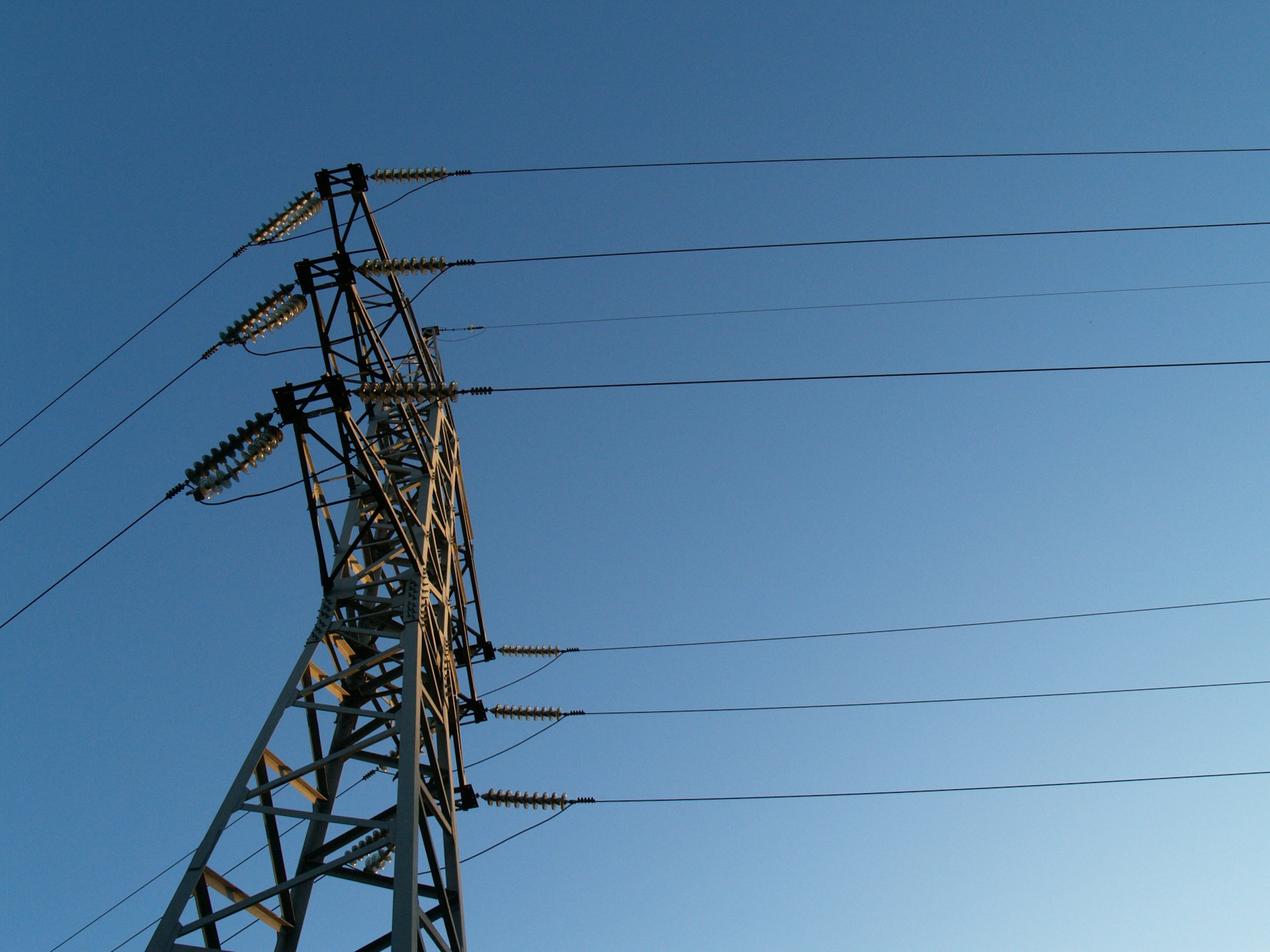
HanseWerk and SH Netz plan to build around 120 substations, 1,000km of high-voltage lines, 9,000km of medium- and low-voltage cable, and approximately 7,000 local distribution substations by 2030. Conventional reinforcement will be accompanied by additional monitoring, digital substations, modern metering, and more active control of available network capacity.
Flexible connection agreements will allow some projects to connect before their full requested capacity is continuously available. Under such arrangements, generation or storage assets may accept restrictions during periods when circuits, transformers, or substations would otherwise exceed their operating limits.
Several projects may also share connection capacity where their maximum imports and exports do not occur simultaneously. A solar plant and a battery, for example, may be coordinated so that the battery charges during periods of high local generation and reduces its charging demand when the network is heavily loaded from other sources.
Although this approach can shorten connection times, it changes the commercial and technical assumptions behind each development. Project models must account for curtailment, charging restrictions, export limits, and changing network conditions, while control systems need secure interfaces through which operating instructions can be issued, measured, verified, and settled.
Schleswig-Holstein already generates more renewable electricity over a year than it consumes, with substantial volumes exported to other German regions. Strong wind output can create significant north-to-south transfer requirements, while growing photovoltaic capacity is adding a different daily profile across lower-voltage networks.
The 27GW battery queue illustrates how storage development is moving faster than the network intended to host it. A battery can draw its full rated power while charging and export the same capacity while discharging, so its network impact depends as much on operating schedules as on installed megawatts.
Carefully controlled batteries can relieve constraints, absorb renewable surpluses, and support voltage or frequency management. Poorly coordinated operation can intensify an existing peak, particularly where several assets respond to the same wholesale price signal without regard to local network conditions.
Digital visibility is consequently becoming part of the capacity programme. Sensors, communications, remote terminal equipment, digital protection, and local automation can provide more accurate information about conductor temperatures, transformer loading, voltage conditions, and available headroom.
Better data can support active network management and more precise connection limits, although it cannot replace physical reinforcement where sustained demand or generation exceeds asset ratings. The investment programme therefore combines conventional construction with operational measures designed to extract more capacity from existing infrastructure.
Equipment availability will influence the pace of delivery. Transformers, switchgear, protection relays, high-voltage cable, instrument transformers, and control systems are being ordered by network operators, renewable developers, industrial users, and transport projects with overlapping programmes.
That demand has already prompted manufacturers to increase capacity. ABB’s expansion of European medium-voltage manufacturing forms part of a wider supply-chain response to sustained investment in utility and industrial networks.
Labour and permitting remain equally important. Substation and cable programmes require design engineers, jointers, commissioning specialists, protection engineers, civil contractors, and authorised operational staff, while land acquisition, environmental assessments, route approvals, procurement, and outage coordination can extend delivery schedules.
Not every application within the 60GW queue will reach construction. Some schemes will be revised, consolidated, delayed, or withdrawn as developers assess finance, equipment availability, land, market revenue, and connection conditions.
SH Netz must therefore distinguish credible projects from speculative applications without blocking viable developments or allocating scarce capacity inefficiently. Queue management, financial commitment requirements, milestone enforcement, and transparent connection rules will be as important as the physical assets being installed.
The operator’s programme combines three measures now appearing across European distribution systems: additional network construction, improved visibility and control of existing assets, and connections whose usable capacity can vary with system conditions.
Delivering those measures concurrently will determine how much of Schleswig-Holstein’s renewable and storage pipeline can proceed without compromising voltage, protection, thermal limits, or security of supply.