IN Brief:
- Encavis will supply Visalia with 60GWh of renewable electricity annually under a three-and-a-half-year power purchase agreement.
- The contract combines two solar parks and three wind farms from Encavis's 199MW portfolio in Aragón, Spain.
- The hybrid structure combines different generation profiles but does not guarantee continuous output or establish an undisclosed battery storage component.
Encavis has signed its first hybrid solar and wind power purchase agreement in Spain, combining electricity from five renewable generating installations to supply Spanish energy company Visalia with 60GWh annually over three and a half years.
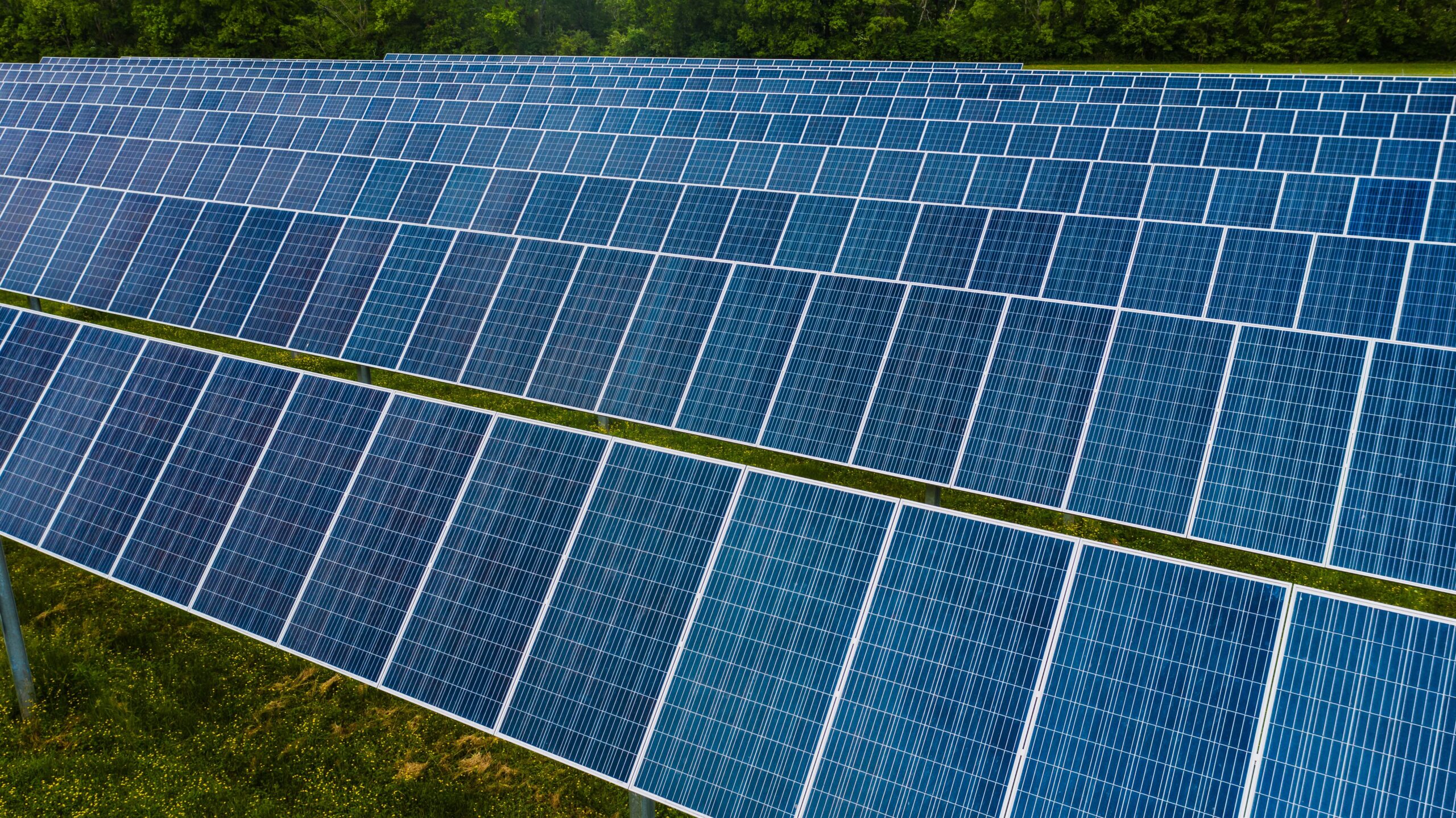
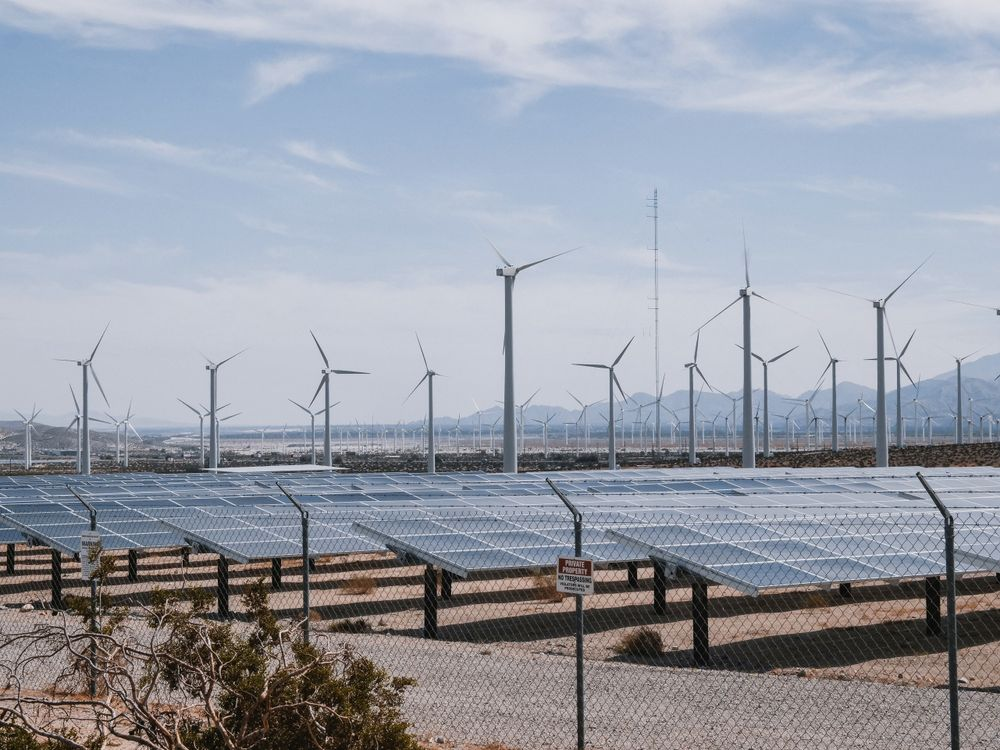
The agreement covers two photovoltaic parks and three wind farms within Encavis’s 199MW Aragón portfolio near Zaragoza. Combining the different generation technologies is intended to provide a more balanced renewable electricity supply profile than a contract dependent solely on either solar or wind production.
The five installations already form part of Encavis’s Spanish generating portfolio. The agreement therefore establishes a new commercial arrangement for electricity production rather than representing the commissioning of additional solar panels, wind turbines or battery storage equipment.
Visalia will purchase an annual electricity volume of 60GWh under the contract. That quantity is distinct from the portfolio’s 199MW installed capacity, which describes the combined nominal generating capability of the five installations rather than the electricity they will deliver continuously.
The production profiles of solar and wind installations are governed by different environmental conditions. Photovoltaic generation follows the available solar irradiance and is concentrated in daylight hours, while wind turbines may generate electricity during both daylight and darkness when wind conditions permit.
Combining the technologies can produce a portfolio whose output is distributed across a broader range of periods. However, the extent of that complementarity depends on actual weather conditions, seasonal variations, equipment availability and the geographical relationship between the generating assets.
A hybrid portfolio can still experience periods when both solar and wind production are low. The presence of two generating technologies does not guarantee a constant quantity of electricity in every hour or remove the commercial responsibilities associated with variable renewable output.
The contract’s structure enables generation from several installations to support a single electricity supply arrangement. Depending on the commercial terms, the parties must account for differences between forecast production, contracted volumes and electricity actually available during individual delivery periods.
Renewable electricity sales commonly rely on forecasts based on expected weather and equipment performance. These estimates inform trading and supply positions, while actual generation may change as the operating conditions of the underlying installations develop.
Where contracted electricity volumes and available generation differ, the responsible parties must manage the resulting position within the applicable electricity market arrangements. This may involve additional purchases or sales, revisions to trading positions and the settlement of imbalances.
Encavis has not disclosed the precise hourly delivery structure, electricity price, balancing responsibilities or detailed settlement provisions of the Visalia agreement. Consequently, the stated annual volume should not be treated as evidence that the five installations will deliver a guaranteed fixed output throughout the contract.
The company has also not identified a battery installation as part of this particular agreement. The hybrid designation refers to the combination of solar and wind generation, and no storage capacity or battery operating arrangement should be inferred from the terminology.
The arrangement provides Encavis with a defined commercial outlet for some of its renewable electricity production. Long-term supply agreements can reduce certain uncertainties associated with electricity sales, although their financial effects depend on contract pricing, production performance and the allocation of delivery obligations.
For Visalia, the agreement adds a source of contracted renewable electricity from an established Spanish generating portfolio. The company operates electricity supply activities and associated infrastructure, including more than 500 urban renewable generating installations and over 1,000km of electricity distribution and high-speed fibre networks.
Its own activities include distributed renewable generation and electricity supply to residential customers and smaller businesses. The agreement with Encavis provides access to additional electricity volumes without requiring Visalia to develop or own every generating installation supplying its customer portfolio.
The contractual relationship should nevertheless be distinguished from the physical operation of the electricity network. Power produced at the five generating sites enters the interconnected electrical system, while the agreement establishes the commercial rights and obligations associated with the purchased energy.
Electricity delivered through an interconnected network cannot be traced as a dedicated physical flow from one generating installation to an individual contracted consumer. The relevant contractual and market arrangements determine the accounting and allocation of electricity supply.
Encavis operates a substantial renewable portfolio in Spain, with approximately 1GW of installed solar and wind capacity. The company has identified the country as one of its important European markets and is expanding its use of commercially structured electricity supply products.
The Aragón assets form part of that activity, while the wider Spanish portfolio includes major photovoltaic developments such as Talayuela and La Cabrera. These installations should not be treated as additional contributors to the Visalia contract unless the company identifies them within its five contracted generating sites.
Combining several renewable generating assets within one supply agreement can change the relationship between contracted electricity volumes and the production available during particular periods. The outcome depends on how generation is aggregated and how differences are managed, rather than on installed capacity alone.
Additional flexibility could be provided by storage or other contracted sources where the necessary arrangements exist, but none has been specified for this transaction. The five contracted solar and wind parks remain subject to their physical generating limitations and individual operating conditions.
Encavis’s portfolio approach reflects the increasing role of electricity marketing and trading alongside the ownership of renewable infrastructure. As variable generating capacity grows, operators must manage not only plant performance but also the timing and commercial characteristics of the electricity they produce.
The companies have not disclosed the agreement’s exact start date, expiry date or total commercial value. Its announced three-and-a-half-year duration establishes the contractual period, while annual deliveries of 60GWh define the stated volume commitment.
The agreement creates a new commercial relationship between Encavis and Visalia using an existing 199MW renewable portfolio. Its operating performance will depend on the generation available from the five installations and the contractual arrangements governing how that electricity is delivered and settled.