IN Brief:
- Tauron has acquired the ready-to-build BME Jawor battery project, rated at 28.27MW and 120MWh.
- The proposed 40-container installation will connect through the 110/20kV Jawor Strefa substation.
- Commissioning is targeted for February 2027, while its existing capacity market contract covers 2029–2045 at PLN264.9/kW annually.
Tauron Polska Energia has acquired the ready-to-build BME Jawor battery energy storage project in southwestern Poland, adding a planned 28.27MW installation with 120MWh of energy capacity to its investment portfolio. The company is targeting operation in February 2027, while the development has already secured a capacity market contract extending from 2029 to 2045.
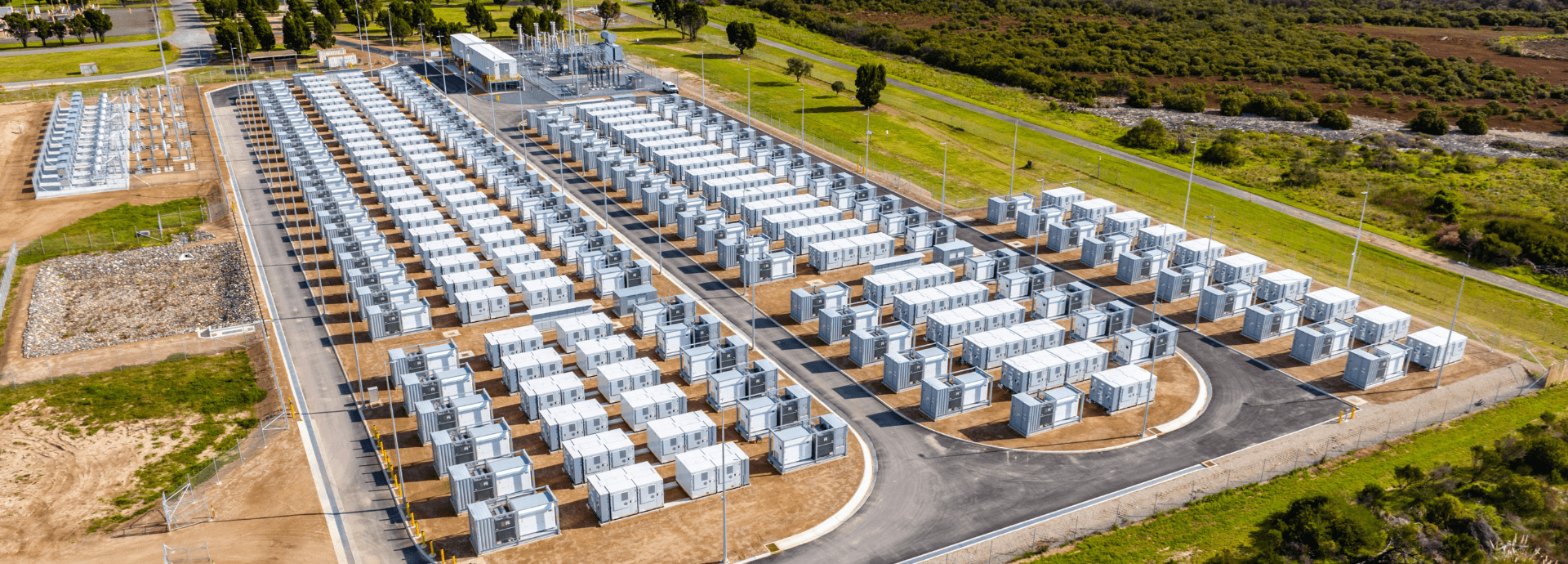
The transaction involves the acquisition of the company holding the project and its subsequent development into an operating battery installation. Tauron has identified the planned asset as comprising 40 battery containers, to be installed in the Wałbrzych Special Economic Zone INVEST-PARK at Jawor in Lower Silesia.
The battery will connect to the electricity network operated by Tauron Dystrybucja through the 110/20kV Jawor Strefa substation. This provides an identified network interface for the project, although the detailed connection arrangements and selected equipment suppliers have not been disclosed.
BME Jawor’s energy-to-power ratio is approximately 4.24 hours, calculated by dividing its stated 120MWh energy capacity by its 28.27MW power rating. That figure describes the nominal relationship between stored energy and maximum electrical output, rather than guaranteeing that the installation can deliver full power for that period under every operating condition.
The amount of usable energy available for discharge will depend on the battery’s operating limits, state of charge and electrical losses. Its actual performance will also be affected by the power conversion equipment, thermal management requirements and any restrictions imposed by the network connection or operating contracts.
At the stated rating, the battery is designed to exchange a substantial quantity of electricity with the grid over several hours. Its power rating establishes the maximum announced rate of energy transfer, while its larger MWh capacity provides a reservoir that can sustain discharge for longer than a battery with the same power rating and a smaller energy capacity.
That distinction affects potential electricity market participation. Shorter operating intervals may favour rapid responses to changes in supply and demand, while a battery with several hours of available energy can maintain output across a more extended period, subject to the conditions governing the relevant service.
The project is also intended to support Tauron’s expanding storage activities as Poland integrates additional renewable generation. Batteries can absorb electricity during suitable periods and return it to the network later, providing a controllable way to shift some electricity delivery between different operating conditions.
The extent to which BME Jawor will perform that function depends on the final control strategy and its commercial arrangements. Tauron has not disclosed the services for which the battery will be qualified or provided an operating schedule identifying how its stored energy will be allocated between markets.
Electrical integration will require coordination between the containerised battery systems and the public distribution network. Battery modules store energy as direct current, while power conversion equipment controls the exchange of electricity with the AC network through the appropriate transformers, switchgear and protection systems.
The grid connection must permit both electricity imports during charging and exports during discharge. Equipment ratings, protection settings and network operating limits will determine the conditions under which those activities can take place.
Battery control systems will also need to maintain the storage equipment within its permitted electrical and thermal operating limits. Monitoring of cell voltages, currents and temperatures is required to support safe operation, while protective functions must respond appropriately to abnormal conditions.
Tauron has not identified the battery chemistry, inverter manufacturer or final electrical layout of the 40 containers. Their number therefore cannot be used to establish individual container capacity or infer the detailed architecture of the proposed installation.
The project’s commercial arrangements include a secured capacity market contract covering 2029–2045. Tauron has identified remuneration of PLN264.9 per kilowatt annually, establishing a contracted payment rate associated with the relevant capacity obligation.
Capacity market contracts are intended to support the availability of dependable electricity system capacity. The payments and associated obligations differ from ordinary wholesale electricity sales, where revenue depends on electricity bought and sold during individual market periods.
A storage installation may be able to participate in different activities, including capacity provision and electricity trading, subject to the applicable rules and its individual contracts. However, the existence of a capacity market agreement does not establish the precise revenue expected from all possible operating services.
The contract will also be subject to delivery and availability requirements, together with the settlement arrangements governing the Polish capacity market. The stated remuneration rate should therefore not be treated as guaranteed net profit or as a complete forecast of project earnings.
BME Jawor’s planned February 2027 operational start precedes the 2029 beginning of its capacity market contract. The distinction creates an initial period during which the installation may be physically available before the identified capacity obligation commences.
Tauron has not disclosed the commercial operating arrangements expected during that interval. Any electricity trading, balancing services or other activities before 2029 will depend on the completed asset’s technical qualifications and the contracts subsequently established.
The acquisition provides Tauron with a project already prepared for implementation, rather than requiring the company to begin development from an undeveloped site. A prepared project can include an identified location, permitting progress and network arrangements, but those elements do not remove the remaining requirements for construction and commissioning.
The company has not disclosed the price paid for the project or the full expected construction expenditure. Its announced capacity and contract terms establish the scale of the development, but do not provide a complete basis for calculating the investment’s financial return.
Tauron has stated that the acquisition takes its storage development portfolio with investment decisions beyond 600MW. These assets are expected to enter operation between 2026 and 2029, covering projects at different stages of implementation.
That portfolio figure should not be confused with the company’s currently operational storage capacity. Individual developments must complete equipment procurement, construction, electrical integration and commissioning before their announced power ratings become available to the electricity system.
Jawor’s identified substation connection provides an important point of coordination for the next delivery phase. The completed battery will need to demonstrate that its charging and discharging operations comply with the distribution network’s technical requirements, including protection and control arrangements.
Commissioning will also establish whether the installed equipment can perform within its declared power and energy ratings under the applicable operating conditions. Testing and operational acceptance remain necessary even where a project has secured long-term commercial arrangements in advance.
With the acquisition completed, Tauron’s next delivery milestones concern construction of the 40-container installation, completion of its connection through Jawor Strefa and successful electrical commissioning. February 2027 remains the company’s planned start of operation, while the separate capacity market obligations will begin in 2029.