IN Brief:
- Respect Energy has agreed to manage electricity offtake and balancing for European Energy's 54MW Dębnica Kaszubska solar farm in Poland.
- The photovoltaic installation entered service in late 2024 and has expected annual generation exceeding 50GWh.
- The appointment covers commercial balancing responsibility and balancing services, although the plant's individual technical qualifications have not been disclosed.
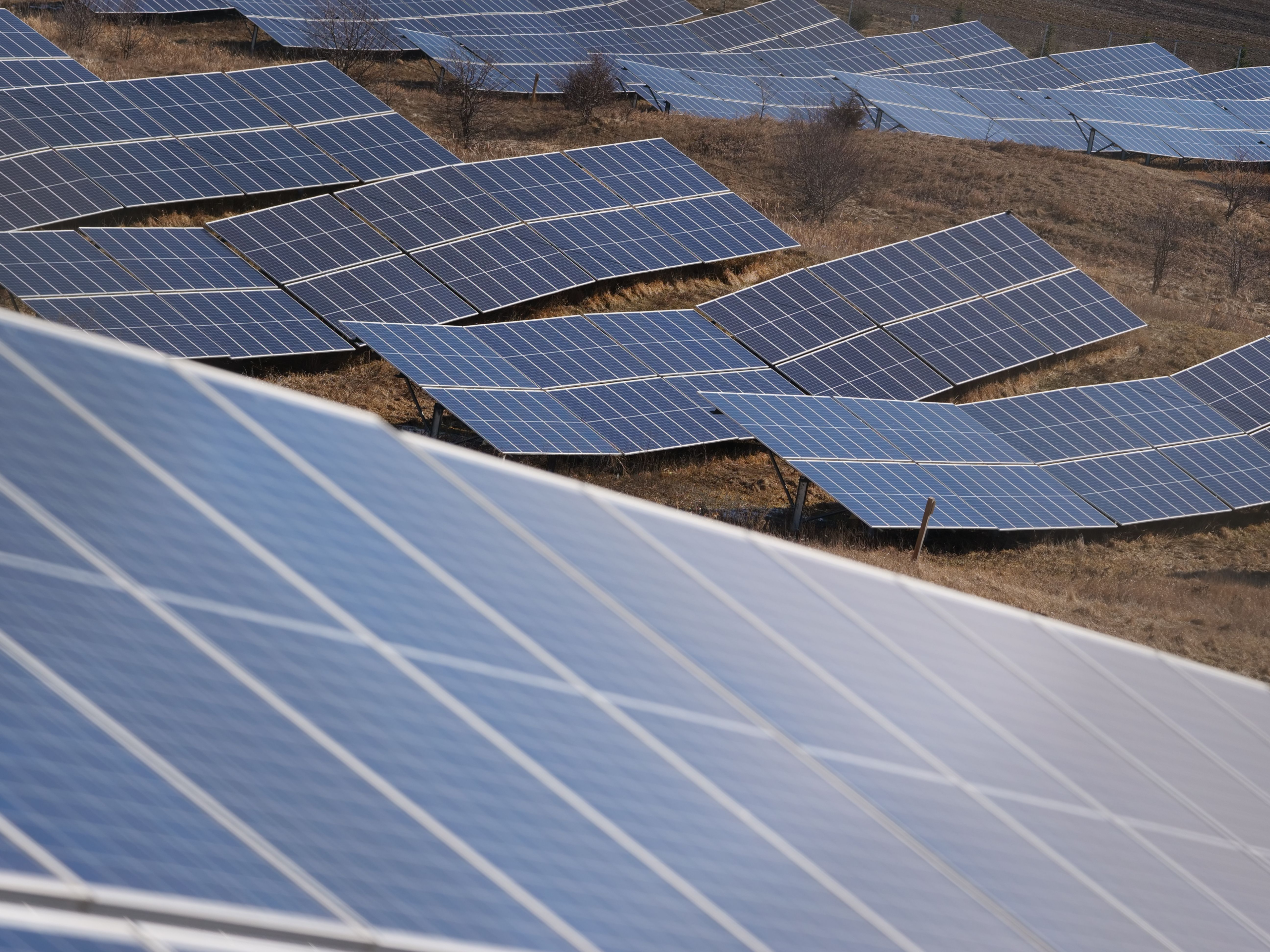
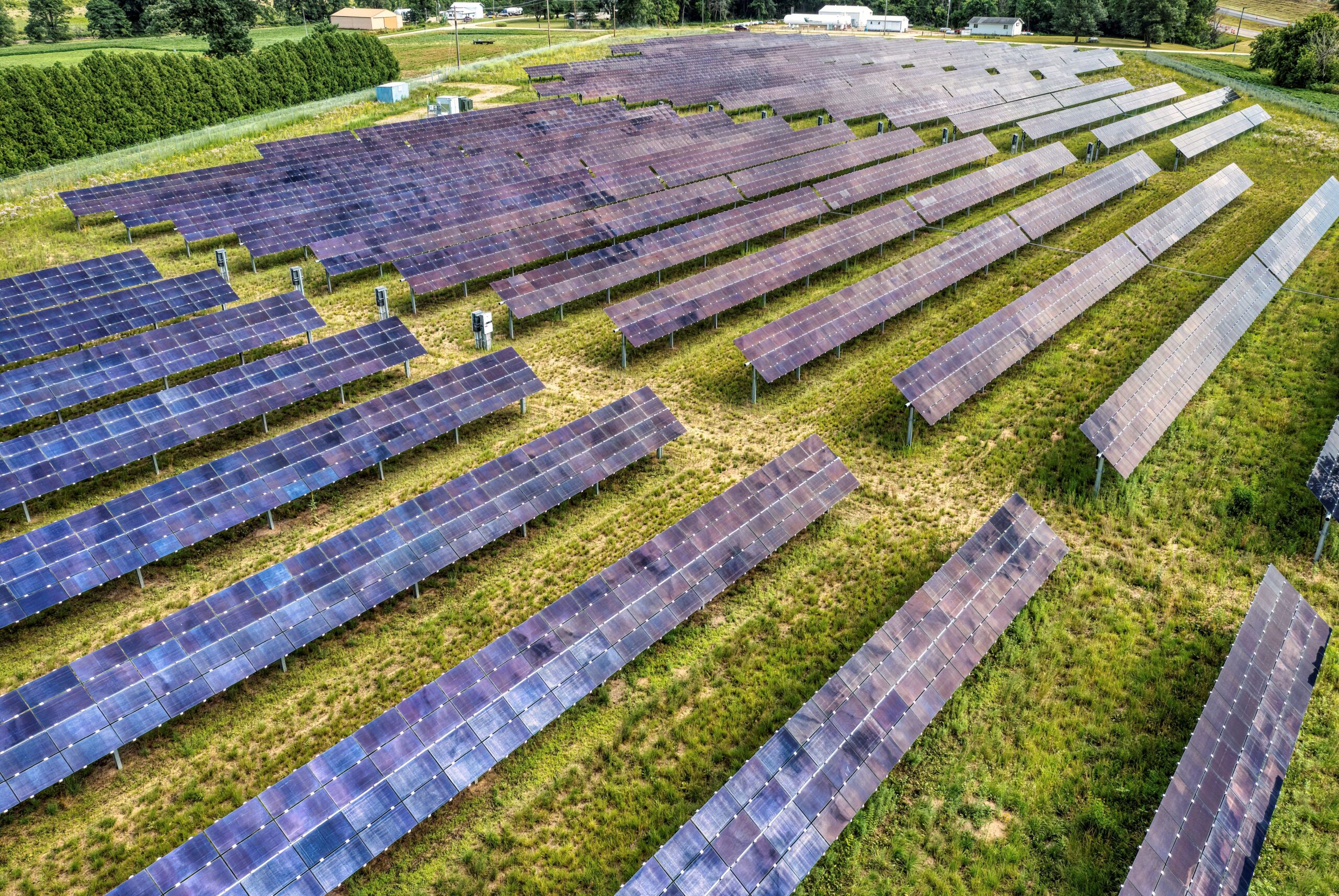
Respect Energy has agreed to manage electricity offtake and balancing for European Energy’s 54MW Dębnica Kaszubska solar farm in northern Poland, adding specialist market management to a photovoltaic installation that has been operating since late 2024.
The agreement covers electricity offtake and balancing arrangements, with Respect Energy acting as the balancing responsible party and providing balancing services. The appointment introduces new commercial and operational responsibilities for the existing generating asset rather than increasing its installed electrical capacity.
Dębnica Kaszubska is located in Pomerania and forms part of European Energy’s Polish renewable generation portfolio. The installation was developed with construction financing from mBank, alongside the separate Łobez solar project, and entered operation towards the end of 2024.
The 54MW plant has expected annual electricity generation exceeding 50GWh. That figure represents its anticipated production across a full year rather than the amount available continuously, because photovoltaic output varies with solar irradiance, temperature, weather and equipment availability.
These variations create important commercial responsibilities for companies selling electricity from renewable generating installations. Electricity market participants submit positions based on expected production, while the actual quantities generated may differ as conditions change during the trading and settlement periods.
A balancing responsible party manages the commercial consequences of differences between contracted electricity positions and actual energy volumes. Its responsibilities include forecasting, trading and settlement arrangements intended to keep those differences under control within the applicable market framework.
For a solar installation, an accurate production forecast begins with expected irradiance and the operating characteristics of the generating equipment. Forecasting systems may combine weather information, historical performance and the current condition of the plant to estimate the electricity likely to be delivered during individual market periods.
Forecasts can then be revised as operating conditions change. Unexpected cloud cover, equipment unavailability or changes in network instructions may alter generation after the original trading position has been established, requiring the responsible market participant to adjust its exposure where the trading arrangements permit.
Where actual output and the contracted position remain different at settlement, the imbalance is accounted for under the relevant market rules. The financial consequences depend on the size and direction of the difference and the prices applied to the settlement period.
Respect Energy’s role places those responsibilities within its wider electricity trading activities. Managing generation across several assets may offer opportunities to coordinate forecasts and positions, although the practical benefit depends on the location, technology and operating behaviour of the installations concerned.
The company’s scope also includes balancing services, which must be distinguished from commercial balancing responsibility. An organisation can manage the settlement of electricity imbalances without every generating asset in its portfolio being qualified to provide a particular technical service to the transmission system operator.
Participation in a defined balancing service can involve additional requirements concerning plant control, telemetry, response characteristics, metering and qualification. Such arrangements establish whether a generating installation can reliably deliver the requested change in power under the conditions of the relevant service.
Respect Energy has previously supported the qualification of the Zwartowo photovoltaic plant for Poland’s balancing services market. That separate development demonstrated the company’s experience in enabling renewable generation to participate in services traditionally associated with more controllable electricity production.
Zwartowo’s qualification does not establish that Dębnica Kaszubska has completed the same technical process. The new agreement identifies the services covered by Respect Energy’s appointment, but the specific qualifications and operating arrangements applicable to Dębnica Kaszubska have not been published.
The distinction is particularly important for solar generation because the ability to increase electrical output depends on the solar energy available at that moment. A photovoltaic installation may be able to reduce production through its inverters and plant controls, but cannot sustain output above its available generation without an additional energy source.
Battery storage can provide a different operating response by absorbing energy and releasing it later within its power and energy limits. No battery installation has been identified as part of the Dębnica Kaszubska agreement, and the existing solar farm should not be described as a hybrid generating and storage asset.
Plant controls nevertheless influence how a photovoltaic installation responds to electricity system requirements. Inverters and supervisory equipment can regulate active power within available generation limits, while voltage and reactive power capabilities depend on the equipment design and the requirements of the connected network.
Market arrangements must also account for restrictions imposed by that network. A generator may be technically capable of producing electricity but face instructions or connection constraints that limit export during particular periods, affecting the volumes available for commercial delivery.
The growth of photovoltaic generation in Poland has increased the quantity of electricity whose production depends on weather conditions. This places greater emphasis on forecasting and the coordination of commercial positions, while transmission and distribution operators retain responsibility for the physical security of their respective networks.
European Energy has developed renewable projects in Poland since 2007 and continues to operate across several electricity generation technologies. Its Dębnica Kaszubska installation provides an established source of solar electricity, while the new arrangement changes how that production is managed in the market.
Neither company has disclosed the contract duration, electricity purchase price, expected trading income or any quantified reduction in balancing costs. The commercial value of the agreement therefore cannot be established from the plant’s installed capacity or annual generation estimate alone.
The immediate development is the transfer of electricity offtake and balancing responsibilities to Respect Energy. Further information about technical service qualifications, plant controls and operating results will be needed to determine whether Dębnica Kaszubska gains additional physical balancing capabilities beyond its new commercial arrangements.