IN Brief:
- Bruc Alter Energías Renovables has secured €222m in financing from BNPP Asset Management, Santander, Sabadell and Banco Cooperativo.
- The financing supports an existing 208MWp solar portfolio and construction of 651MWh of battery energy storage in Andalusia and Extremadura.
- The battery power ratings, equipment suppliers and commissioning schedules have not been disclosed, so the planned discharge duration cannot yet be established.
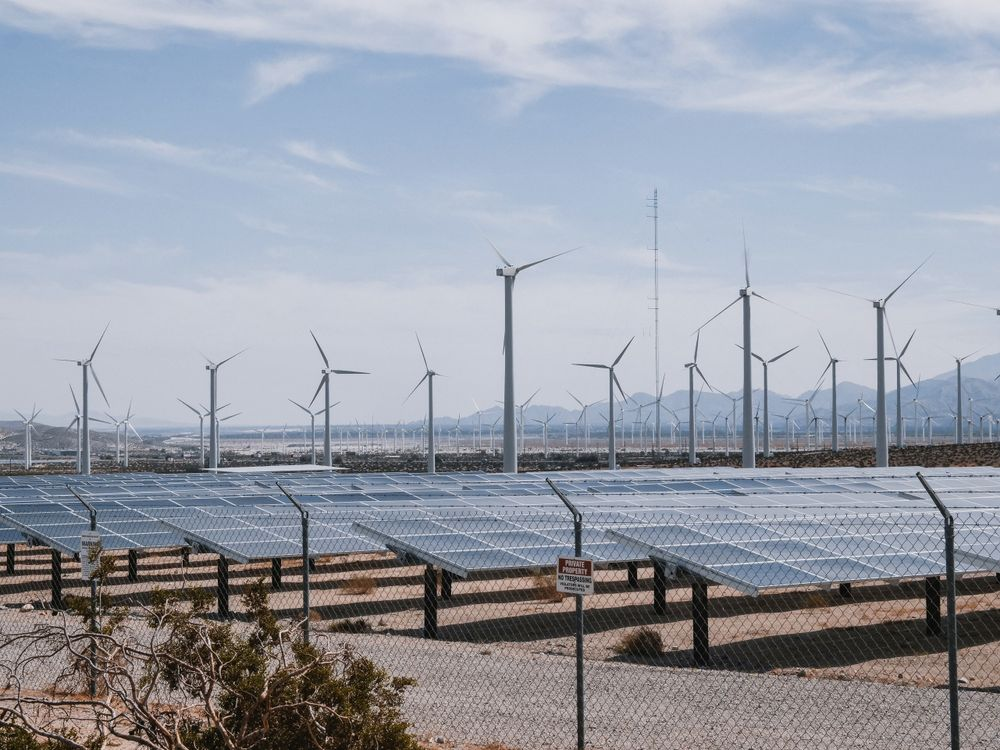
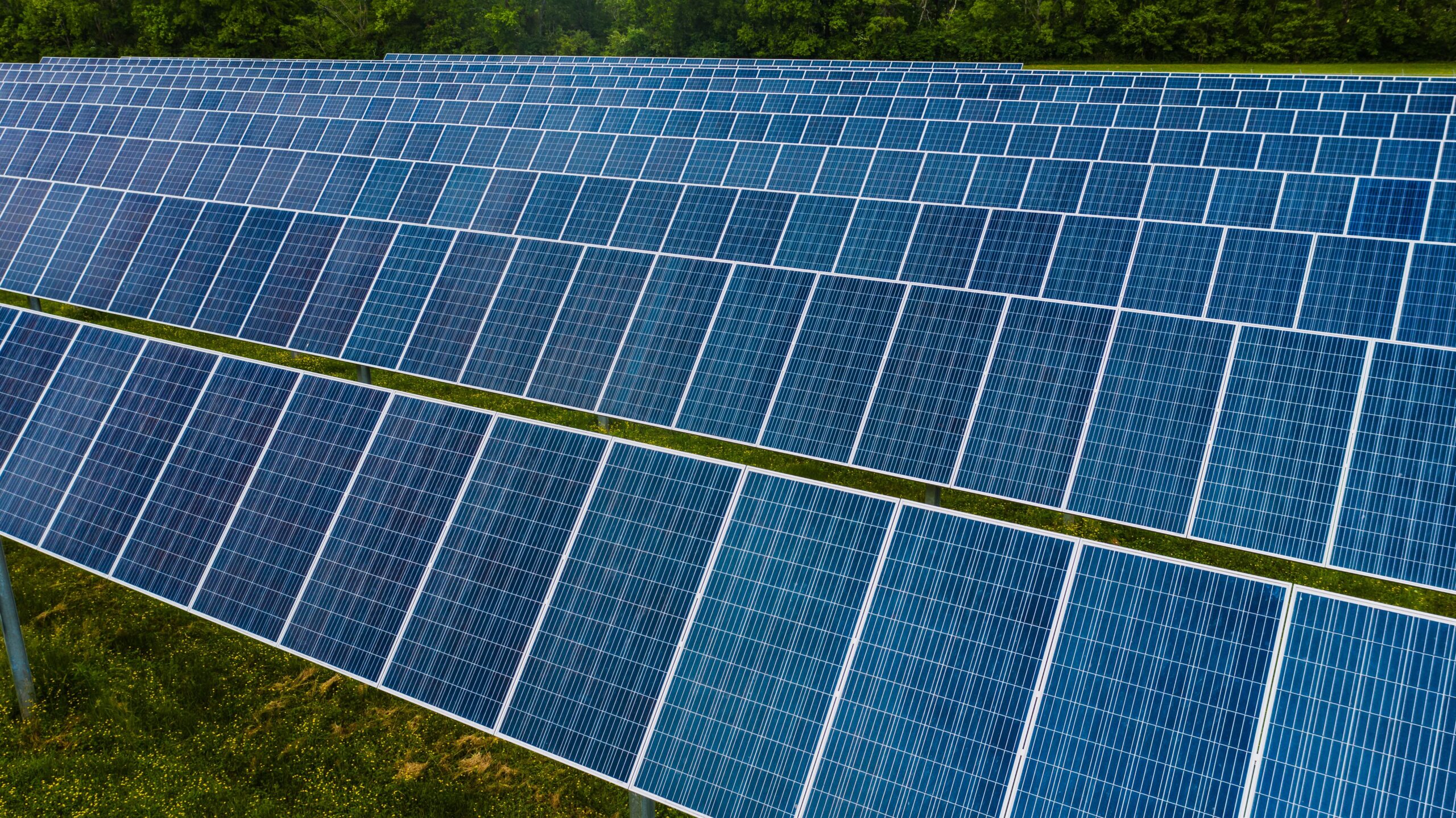
Bruc Alter Energías Renovables has secured €222m in financing for an operating portfolio of 208MWp of photovoltaic generation in southern Spain and the planned construction of 651MWh of battery energy storage. The agreement supports the addition of storage to existing generating assets in Andalusia and Extremadura, allowing the joint venture to progress its solar hybridisation programme.
The financing has been provided by BNPP Asset Management, Banco Santander, Banco Sabadell and Banco Cooperativo. Bruc Alter is owned by BRUC II, which holds 55%, and Alter Enersun, which owns the remaining 45%. The companies have not disclosed the allocation of financing between the operating solar installations and individual battery projects.
The underlying photovoltaic capacity is already operational, while the battery installations represent a separate construction programme. This distinction is important because the financing does not mean that 651MWh of storage equipment has been commissioned or connected to the electricity network.
Bruc Alter’s solar portfolio is rated at 208MWp, with the peak capacity expressed against the standard test conditions used for photovoltaic modules. The final AC export capability of each installation depends on its inverter equipment, transformers, connection agreement and associated operating restrictions.
The planned storage capacity is expressed in megawatt-hours, describing the quantity of electrical energy that the batteries are designed to store. It does not establish their maximum charge or discharge power, which would be expressed in megawatts and has not been identified in the financing information.
Consequently, the 651MWh figure cannot be converted into a reliable full-power discharge duration. Batteries with the same energy capacity can provide different operating durations depending on their power ratings, usable state of charge and equipment limitations.
Integrating storage with photovoltaic generation creates an additional means of controlling the timing of electricity delivery. Solar modules produce electricity according to available irradiance, with output generally concentrated during daylight hours and varying in response to cloud cover, temperature and seasonal conditions.
A battery can absorb electricity when charging is permitted and subsequently discharge it at a different time. This creates opportunities to manage some differences between the timing of generation and electricity demand, although the amount of energy available remains subject to losses and operational restrictions.
The arrangement also changes the electrical equipment associated with a solar installation. Battery modules store energy as direct current, while power conversion equipment controls charging and discharging and provides the interface with the alternating current infrastructure serving the grid connection.
Where battery equipment is connected through the existing solar plant’s AC electrical system, its operation must be coordinated with the photovoltaic inverters and the other equipment using the connection. A shared export limit can constrain the combined power delivered by the solar and battery installations.
Charging requirements create a further design consideration. The operator must establish whether the battery can import electricity from the public network, charge from the solar plant, or use both sources, subject to the connection agreement and the selected electrical architecture.
These choices influence transformer ratings, switchgear, protection coordination and the plant’s control system. The complete arrangement must remain within the permitted voltage and current limits while responding appropriately to abnormal operating conditions.
Battery management equipment will also need to monitor the storage system’s electrical and thermal conditions. Charging and discharging must remain within the operating limits established for the selected cells, while appropriate protection and isolation arrangements are required for maintenance and fault conditions.
Bruc Alter has not disclosed whether the proposed batteries will use a common equipment platform across the portfolio. The company has also not identified the cell chemistry, inverter suppliers, connection voltages or the individual storage capacities planned for its generating sites.
The final designs will determine how closely storage operation can be coordinated with solar production. A battery with sufficient available energy may allow electricity produced during a period of strong solar generation to be delivered later, provided that charging and export conditions permit the planned operation.
That flexibility has particular commercial applications in electricity markets with substantial photovoltaic generation. When output from numerous solar installations rises simultaneously, wholesale prices can decline, reducing the value of electricity delivered during those periods.
Storage can provide an alternative to immediate export when the price difference between charging and discharging periods is sufficient to cover losses, operating costs and other commercial obligations. The financial result depends on actual market conditions rather than the presence of storage alone.
Additional opportunities may exist in balancing and other electricity system services. Participation would require the completed batteries to satisfy the relevant technical, metering and market qualification requirements, none of which has yet been confirmed for the proposed installations.
The storage systems will also consume energy through electrical conversion and auxiliary equipment. Their round-trip efficiency, available capacity and degradation characteristics will influence the amount of electricity that can be returned after charging and the long-term economics of operation.
Spain’s growing renewable generating fleet has increased interest in combining photovoltaic plants with storage. Existing solar sites may provide an established development base, although the addition of batteries can still require new electrical equipment, construction works, permits and changes to grid connection arrangements.
Alter Enersun has previous experience developing battery storage alongside solar generation in Extremadura. That experience provides an established technical and commercial background, but it does not confirm the equipment configuration or implementation schedule selected for the Bruc Alter programme.
The joint venture’s financing agreement establishes funding for a defined group of operating solar assets and their planned hybridisation. It does not establish the construction status of each battery, and no individual commissioning dates or delivery contracts have been announced.
Progress will depend on final equipment selection, construction of the storage installations, completion of any required network modifications and electrical testing. Once commissioned, the batteries’ power ratings and operating controls will determine how the stated 651MWh of energy capacity can be used across the portfolio.