
News
—
-
Linux Foundation has launched OpenGrid for interoperable electricity grid planning. The initiative will create shared schemas, APIs, and translation tools while allowing existing commercial and open source modelling software to remain in use.
-
South Africa has prioritised battery storage procurement totalling 4.6GW nationwide. The programme will sit alongside 5GW of gas generation, while its eventual MWh requirement and discharge duration remain to be specified.
-
Government has varied LionLink’s planning direction before its consent application. The decision keeps the UK to Netherlands hybrid interconnector within the Development Consent Order process as its design continues to develop.
-
Ofgem has approved enhanced smart meter communications during service disruptions. Selected network information and supported prepayment functions will remain available when the core data service cannot operate normally.
-
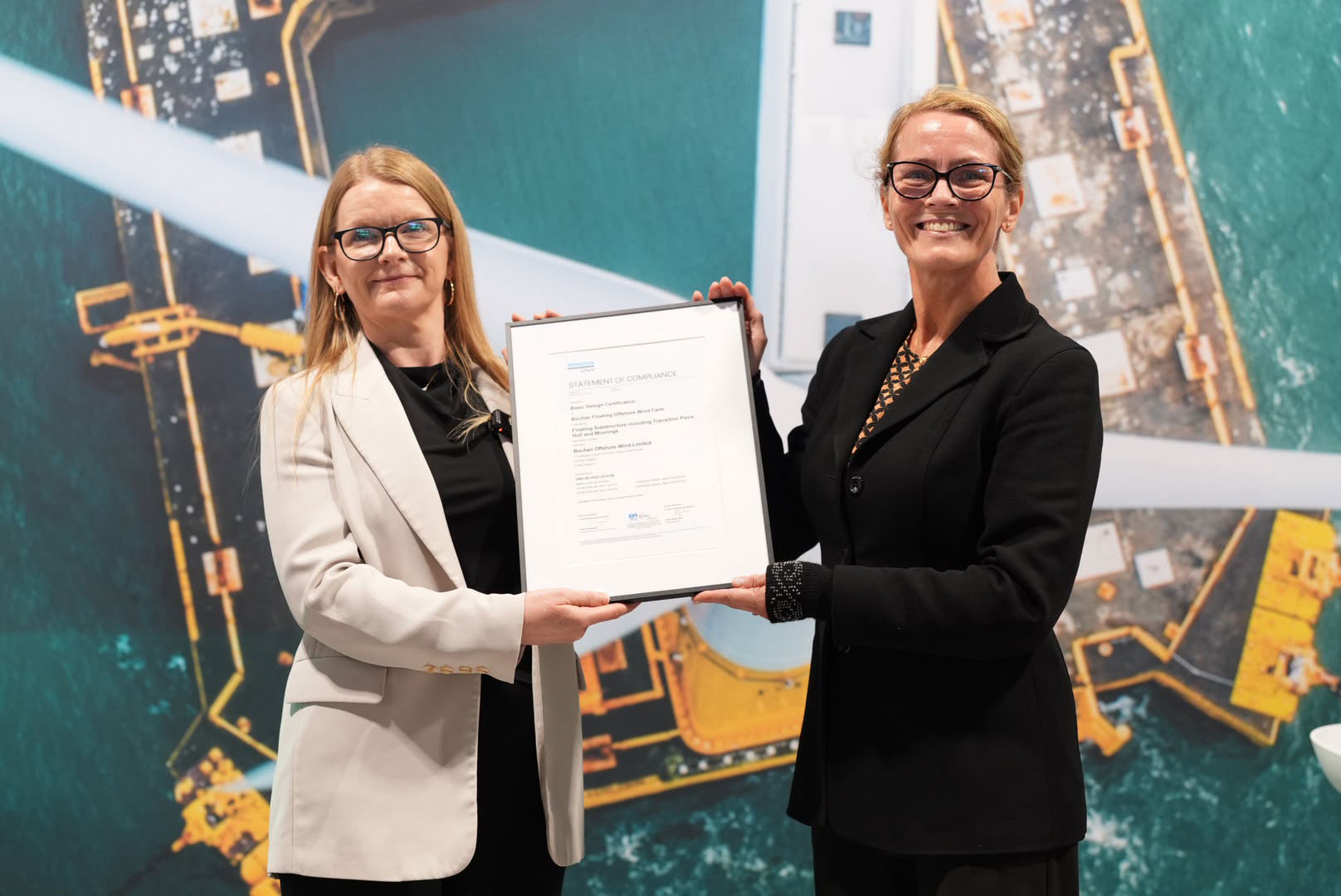
Buchan has secured DNV certification for its floating foundation design. The concrete Damping Pool structure has been developed specifically for the roughly 960MW Scottish project.
-
Ofgem has rejected two proposed transmission connection code changes today. CMP330/374 depended on a wider framework that NESO withdrew in June, leaving no workable basis for implementation.
-
Ofgem proposes wider rights for customers building transmission connections themselves. Demand, generation, and storage projects could construct dedicated assets before transferring them to the relevant network owner.
-
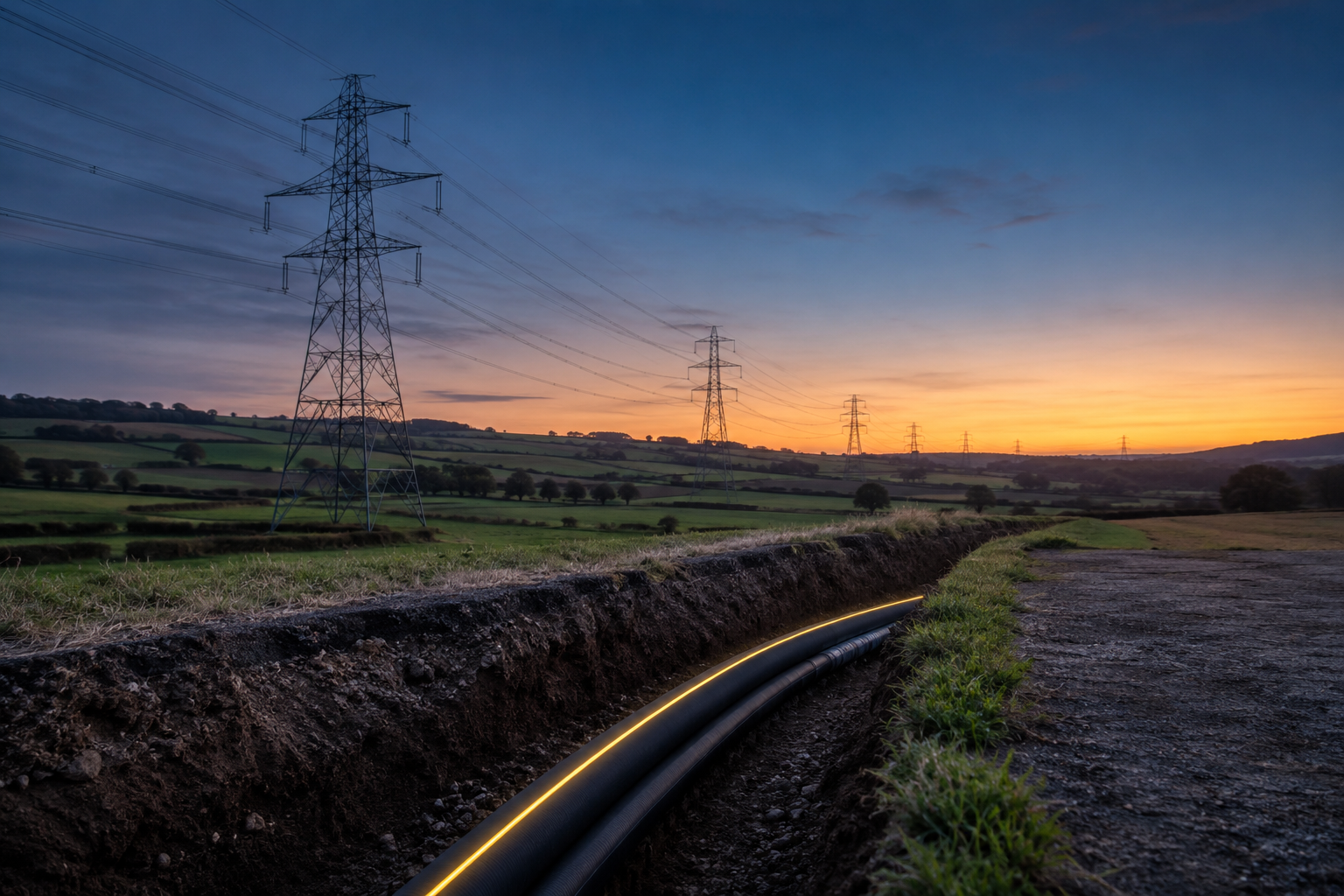
National Grid has completed its new Thames electricity tunnel early. The 2.2km bore finished 49 days ahead of programme before cable installation and further network work.
-
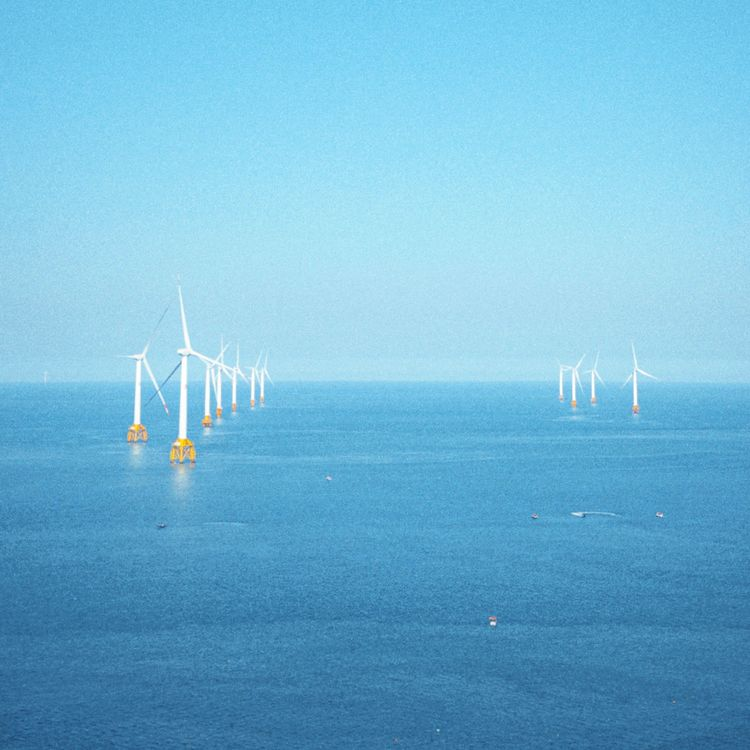
Sumitomo and TFI Marine will promote floating wind mooring technology. SeaSpring is designed to reduce cyclic loads and fatigue across mooring systems while permitting smaller components.
-
Researchers found thousands of exposed systems across European renewable sites. The study identified 8,547 systems across 35 countries, including administration and control interfaces associated with operating wind and solar assets.