IN Brief:
- The final Siemens Energy electrolyser equipment has reached the 100MW Hamburg Green Hydrogen Hub.
- Six PEM electrolyser units will operate at the redeveloped Moorburg power station site.
- Commercial operation is planned for 2027, with annual green hydrogen production expected at around 10,000 tonnes.
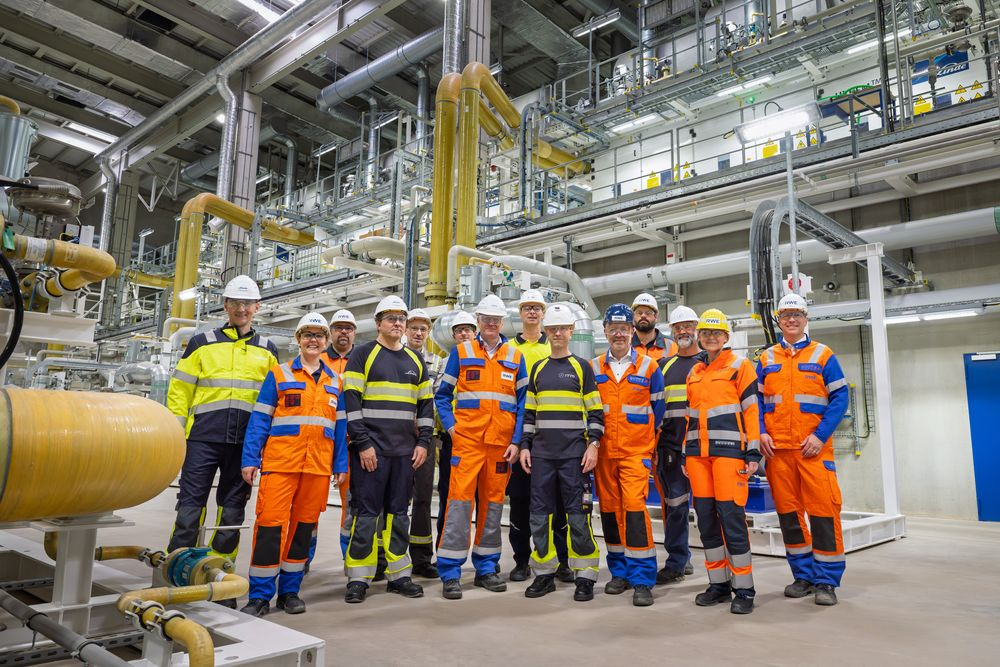
Siemens Energy has delivered the final electrolyser equipment for the 100MW Hamburg Green Hydrogen Hub at Moorburg, moving the project into the installation and integration phase at the former coal-fired power station site. Six Siemens Energy units will form the completed electrolysis plant, which is scheduled to enter commercial operation in 2027.
The project is being developed by a joint venture between Luxcara and Hamburger Energiewerke. Once operating, the plant is expected to produce around 10,000 tonnes of green hydrogen annually for industrial, port, and transport applications in Hamburg and the surrounding region.
The electrolyser uses proton exchange membrane technology, which is suited to relatively rapid changes in electrical load. That operating flexibility is relevant where hydrogen production is intended to respond to variable wind and solar generation rather than run continuously at a fixed baseload.
A 100MW electrolyser is nevertheless considerably more than its stacks. The installation requires high-voltage electrical equipment, rectification and power conversion, transformers, water treatment, cooling, compression, control systems, and interfaces with downstream hydrogen infrastructure. Commissioning will depend on those systems operating together rather than on the mechanical installation of the final electrolyser units alone.
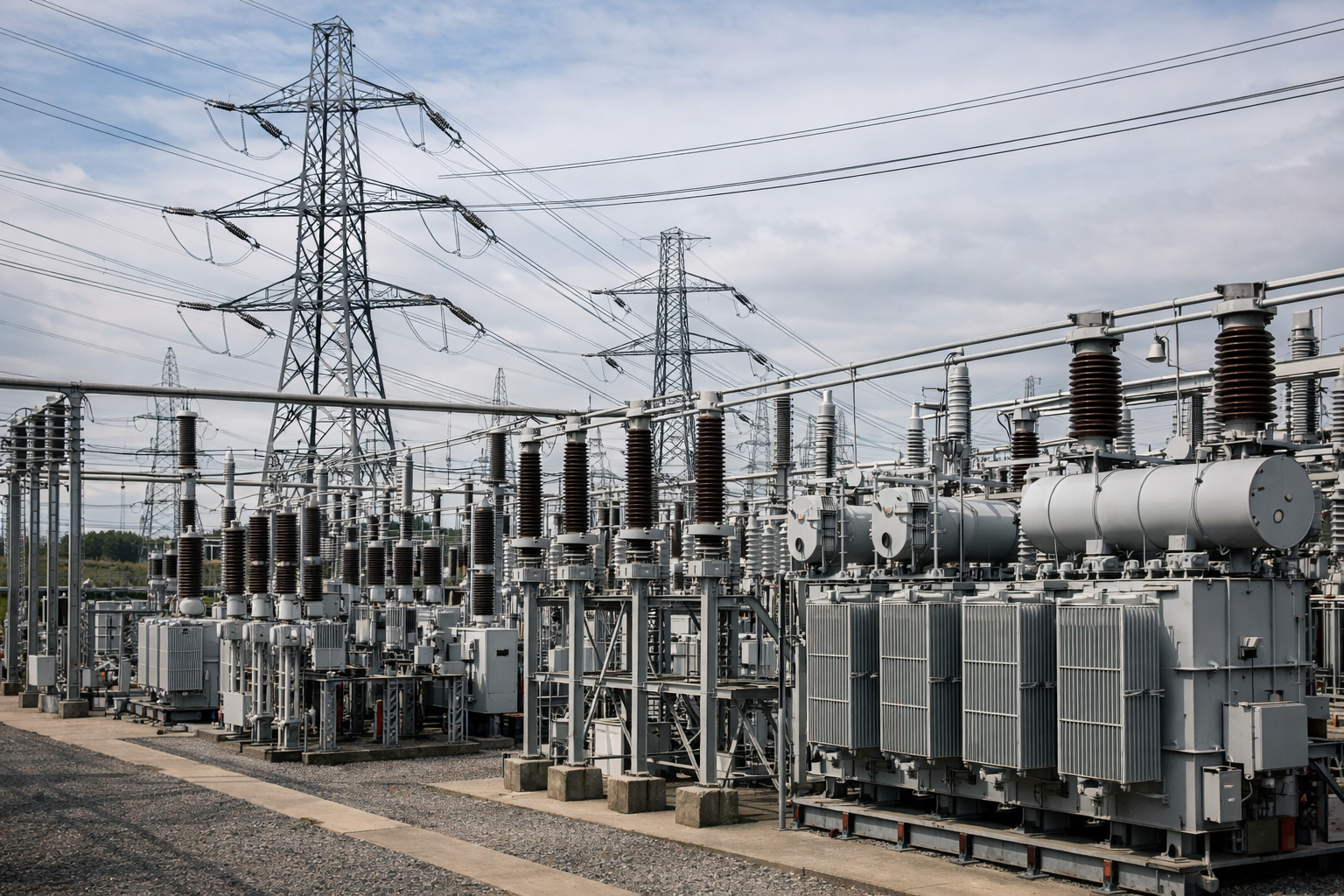
Moorburg offers infrastructure that would be costly to reproduce at a greenfield site. The former power station already has access to high-voltage electricity infrastructure, water-treatment facilities, industrial land, and port connections. Parts of that existing infrastructure are being retained or modified for the hydrogen project as the coal plant is dismantled.
The reuse of the grid connection reverses the site’s former electrical role. Moorburg previously exported electricity as a large thermal generator; the electrolyser will instead act as a major controllable load, drawing up to 100MW when operating at rated power. That changes the direction and operating pattern of power flows while retaining the strategic value of an established high-voltage connection.
Electrolysers can adjust demand more rapidly than many conventional industrial processes, which gives them potential value within an electricity system containing increasing variable generation. Production can, within technical and contractual limits, be increased when renewable electricity is abundant and reduced when the system is tighter. The degree of flexibility available in practice will depend on hydrogen-storage arrangements, customer requirements, equipment operating limits, and the economics of interrupting production.
The electrical load is only one half of the project. Hydrogen produced at Moorburg is intended to feed the HH-WIN distribution network being built by Hamburger Energienetze, alongside a planned trailer-loading facility. The core hydrogen network south of the Elbe is designed to connect industrial users in the port and surrounding districts before further links are developed.
That connection between production and distribution is critical because a large electrolyser without committed customers or transport infrastructure can become an expensive electrical load with nowhere useful to send its output. Conversely, a hydrogen network requires dependable sources of supply before industrial consumers can base process investment around it. Moorburg is being developed alongside both sides of that equation.
The project also includes heat-recovery potential from electrolysis and auxiliary systems. Using otherwise rejected process heat can improve the overall utilisation of the input electricity where a suitable heat network and demand profile are available, although it does not alter the conversion efficiency of electricity into hydrogen itself.
Construction risk now moves progressively towards system integration and commissioning. Electrical protection, control systems, water purity, compressors, hydrogen handling, communications, and the high-voltage connection all have to be tested under increasingly representative operating conditions before commercial production can begin. The ten-year maintenance agreement between the project company and Siemens Energy also extends the equipment supplier’s involvement well beyond initial acceptance.
The final equipment delivery leaves Moorburg with less manufacturing risk but plenty of engineering work still ahead. Its value as a former power station site lies in infrastructure that was originally built to move large amounts of energy in another form. By 2027, the project is expected to show whether that inherited electrical and industrial base can support a 100MW flexible hydrogen load without rebuilding the site from first principles.