IN Brief:
- TenneT Germany has priced €2.6bn across two European Green Bond hybrid tranches.
- Peak investor demand reached about 5.4 times the issue size.
- The financing adds capital for a German transmission programme expected to invest around €67bn through 2030.
TenneT Germany has priced a €2.6bn dual-tranche green hybrid bond, broadening the financing base for a transmission investment programme expected to deploy around €67bn between 2026 and the end of 2030. Peak orders reached approximately 5.4 times the issue size.
The transaction comprises a €1.2bn tranche with a 4.25% annual coupon and a 5.25-year non-call period, and a €1.4bn tranche paying 4.75% with an 8.5-year non-call period. The securities are being issued under TenneT Germany’s €35bn debt issuance programme and are expected to list on the regulated market of the Luxembourg Stock Exchange.
The bonds are structured as hybrid capital rather than conventional senior debt. Their subordinated and long-dated characteristics allow them to occupy a position between ordinary debt and equity in the capital structure, giving the transmission system operator another source of funding as expenditure on network expansion accelerates.
TenneT Germany invested €4.1bn in the German transmission network during the first half of 2026, a 14% increase from the same period a year earlier. It also completed 188km of new grid during those six months, while major reinforcement and connection programmes continued across the system.
The planned €67bn investment through 2030 gives a better indication of the financial requirement than any single bond issue. Spread evenly, it would average more than €13bn of annual expenditure, although infrastructure spending will vary as major transmission lines, offshore connections, converters, substations, and reinforcement programmes move through different construction phases.
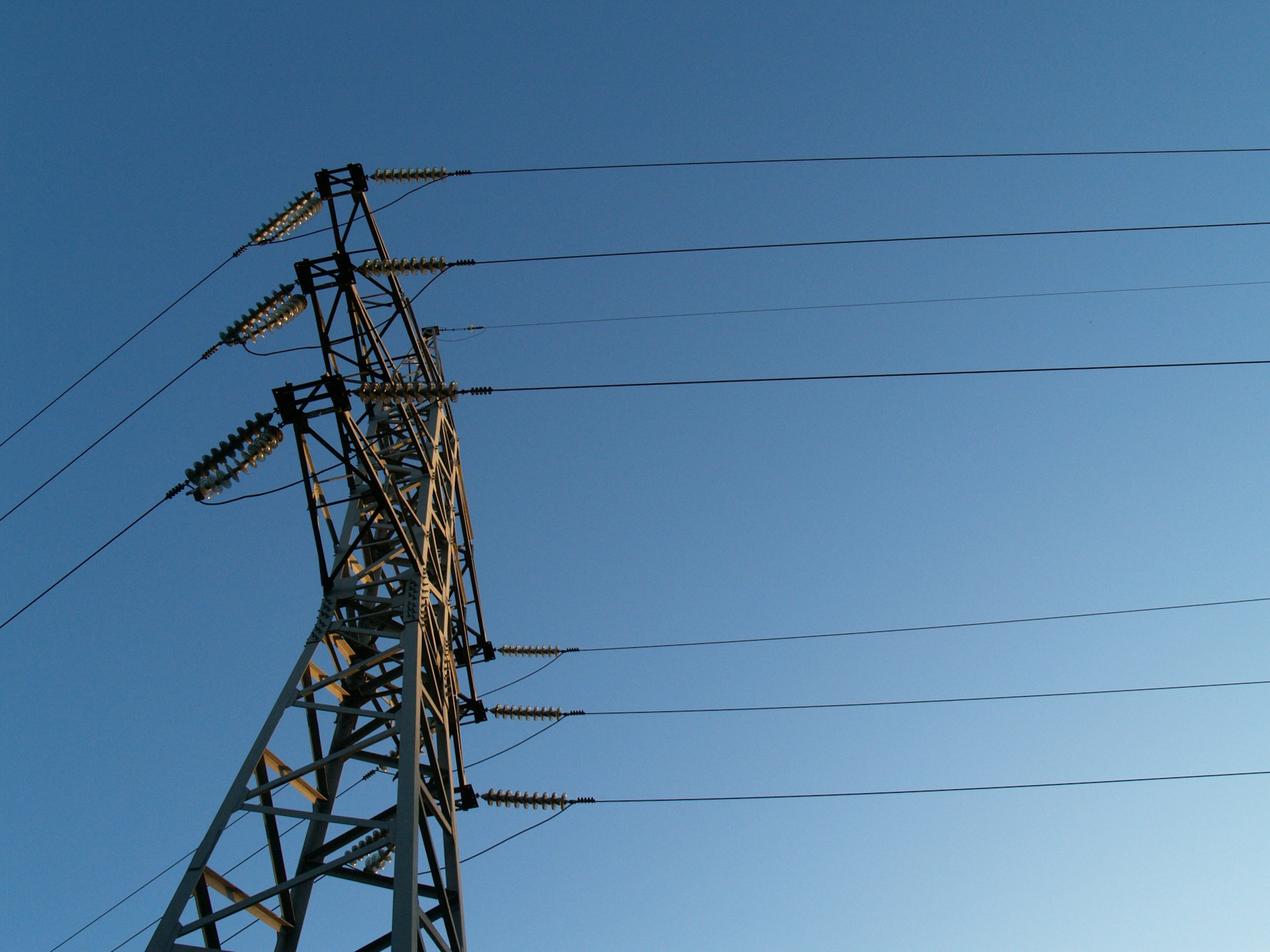
Germany’s grid programme is being driven by changes on both sides of the electricity system. Renewable generation has increased the need to move power over longer distances from areas with strong wind resources, while electrification and digital infrastructure are changing the location and scale of demand. Existing transmission assets also require replacement and reinforcement alongside entirely new projects.
Finance becomes a physical delivery issue at that scale. A transmission operator cannot place orders for cables, transformers, switchgear, converter stations, or civil works without confidence that capital will remain available through lengthy construction programmes. Equally, raising capital does not guarantee faster delivery where permitting, equipment manufacturing, land access, or skilled engineering capacity remain constrained.
TenneT has therefore been building several layers into its funding structure. In July, the German business issued a €3.5bn multi-tranche European Green Bond senior transaction after establishing a €6bn commercial paper programme earlier in the year. The new hybrid issue adds another instrument rather than concentrating future financing in senior borrowing alone.
The ownership structure has also been reshaped. KfW holds 25.1% of TenneT Germany on behalf of the German federal government, while APG, acting for Dutch pension fund ABP, GIC, and Norges Bank Investment Management have committed additional equity capital. Those arrangements are intended to support the forecast funding requirement as the German business separates its capital structure more clearly from its Dutch parent.
The latest securities comply with the EU Green Bond Regulation and the ICMA Green Bond Principles, linking the use and reporting of proceeds to eligible investment. The designation does not change the electrical design of a 400kV substation or an HVDC converter, but it determines how investors can trace financing into qualifying grid expenditure.
The practical output will be measured in energised infrastructure rather than finance raised. Transmission projects commonly take years from development to commissioning, and expenditure has to be sustained through engineering design, procurement, construction, testing, and system integration. Higher project volumes also increase competition for the same manufacturing capacity needed by grid operators elsewhere in Europe.
TenneT Germany now has hybrid capital alongside senior green debt, equity commitments, and short-term commercial-paper funding. That mix gives the company more room to finance a network programme whose scale is already visible in first-half spending. The remaining constraint is the familiar one for transmission operators: converting billions of euros of available capital into commissioned circuits, substations, and offshore connections quickly enough for the power flows they are intended to carry.