IN Brief:
- The Pulverdingen proposal combines approximately 1GW of power capability with 4GWh of energy storage.
- Authorities have confirmed that permit documentation is complete, but a building permit has not yet been granted.
- ADS-TEC plans to bring in a majority investor while retaining battery management technology and service roles.
ADS-TEC Energy says the permitting authority has confirmed that the application documents for its proposed 1GW/4GWh Pulverdingen battery plant in Markgröningen, Germany, are complete. A building permit is expected, but has not yet been granted. The company is working towards a grid connection in 2029 and plans to conclude its financing and partnership arrangements once the necessary development approvals are secured.
The planned power rating is approximately 1GW, while the 4GWh energy rating represents a nominal four-hour discharge period at that output. A battery rated this way can export energy stored from an earlier charging period; it does not generate primary electricity. Available discharge will depend on its state of charge, the operating limits of the cells and power electronics, auxiliary consumption, conversion losses and the reserves committed to grid services.
The scheme has been developed from an earlier concept presented in 2025 with approximately 2GWh of storage. ADS-TEC had already specified the larger 4GWh configuration before reaching the current permitting milestone. The change under way now concerns the building consent rather than a revision to the battery’s energy rating. The four-hour specification could allow the plant to sustain a given export level for longer than a two-hour system of equal MW rating, provided it has sufficient stored energy and an unrestricted grid connection.
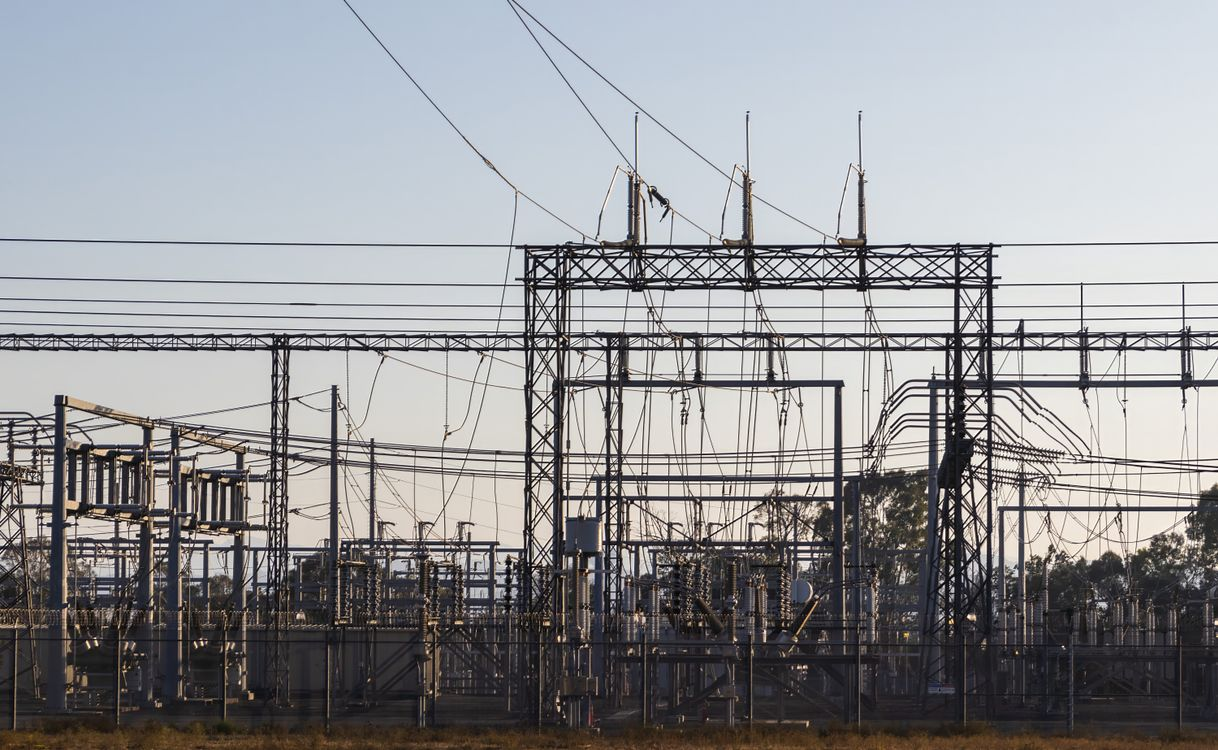
Its proposed location beside the Pulverdingen substation places the plant at an established extra-high-voltage network interface. During charging, inverters draw alternating current from the grid and convert it to direct current for the batteries; during discharge, power flows through the conversion system in the opposite direction. A facility exchanging power at this scale requires coordination between its transformers, switchgear, protective relays, grid connection controls and the network operator’s dispatch instructions.
ADS-TEC intends to supply the battery management system from its own technology portfolio, with batteries and high-voltage electrical equipment provided by German and other European industrial suppliers. Battery management monitors cell and module voltage, temperature and other operating conditions; plant-level controls coordinate the inverters, state of charge and grid dispatch. The announced supplier strategy does not yet identify the final contracted equipment manufacturers, delivery dates or completed plant layout.
A four-hour installation can support several kinds of power-system flexibility. Rapid changes in inverter output can assist frequency balancing, while multi-hour discharge can move previously stored energy into periods of higher net demand or lower renewable generation. The trade-off is that every discharge reduces the energy available for subsequent commitments, and charging must be scheduled within available network capacity. The same stored energy cannot be counted simultaneously against incompatible dispatch obligations.
ADS-TEC is negotiating with infrastructure investors and energy companies over a majority investment in the project company. It intends to retain a minority stake and remain involved by supplying its technology and providing long-term technical services. The ownership split, financing terms and procurement commitments have not been finalised publicly. The developer identifies the building permit as a prerequisite for concluding those arrangements, rather than reporting an already funded construction contract.
Battery developments of the proposed size can require capital expenditure running into the high hundreds of millions of euros. ADS-TEC has cited a general investment range reaching approximately €1bn for comparable facilities; that estimate is not a published final budget for Pulverdingen. Battery modules, conversion equipment, civil works, grid-connection infrastructure and financing costs will determine the investment required at contract award and through construction.
German wholesale trading and balancing markets provide possible income for the project, but no Pulverdingen revenue contracts have been disclosed. ADS-TEC refers to historical industry benchmarks for large batteries, which are not a prediction of what this installation will earn after 2029. Actual receipts will depend on market spreads, the quantity and price of balancing services awarded, dispatch restrictions, charging costs and the effect of maintenance and battery ageing on available capacity.
The storage duration influences how the project might combine different revenue streams. A plant reserving some power for frequency response must retain sufficient charge and headroom to meet the reserve obligation, while a longer wholesale-market discharge can deplete that reserve. Managing the interaction requires operating software that can enforce technical limits while making economic dispatch decisions. A 4GWh rating increases the energy budget available for such decisions without eliminating the conflicts between competing uses.
Completion of an application dossier is an administrative milestone. The authority still has to determine the permit, and the project cannot rely on future generation or balancing income until construction, connection and commissioning are completed. Detailed operating limits may also be affected by the final grid connection agreement and the installed battery and power-conversion equipment, neither of which has been described in sufficient detail to confirm a final dispatch capability.
ADS-TEC’s immediate next steps are the building permit and agreements with the prospective majority investor. The 2029 connection target remains a plan, not an assured operational date. If completed at its proposed scale, the Pulverdingen installation would be able to exchange up to 1GW with Germany’s power system and hold a nominal 4GWh of energy for later export.