IN Brief:
- Enviromena has acquired the 18.1MWp Hebden Green development from Anglo Renewables.
- The project is fully consented and holds an Allocation Round 7 Contract for Difference.
- Energisation is targeted for late 2027, with forecast annual production of approximately 17,500MWh.
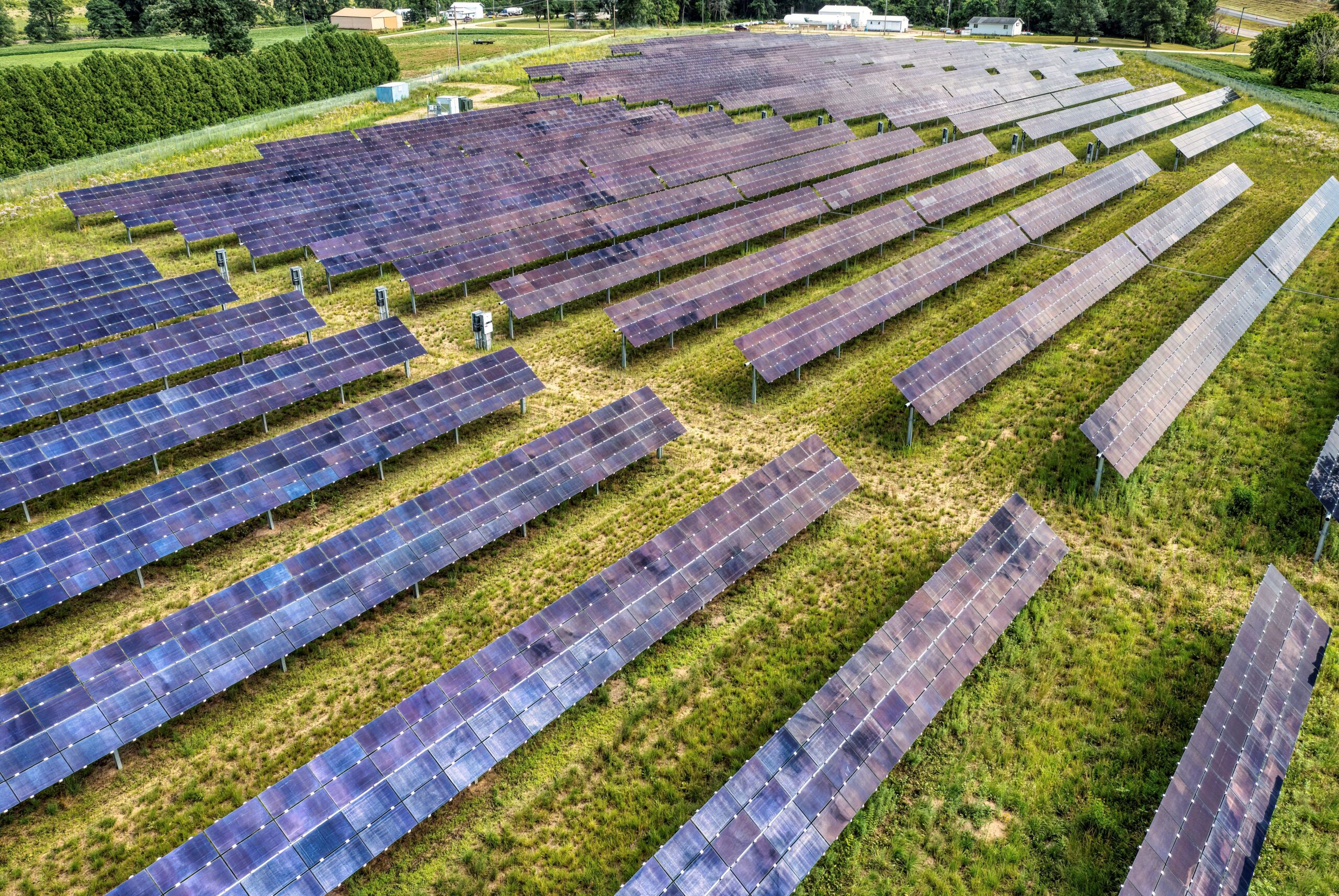
Enviromena has acquired the 18.1MWp Hebden Green solar development at Winsford in Cheshire from Anglo Renewables, adding a consented project with a Contract for Difference to its UK construction pipeline.
The site secured support in Allocation Round 7 of the government’s Contract for Difference scheme and is expected to be energised towards the end of 2027. Enviromena forecasts approximately 17,500MWh of annual electricity generation once the installation is operational. Neither that forecast nor the energisation target represents output already delivered.
Hebden Green is the second solar project Enviromena has purchased from Anglo Renewables. The first was Rock Farm in Shropshire, acquired during summer 2025, where construction is approaching completion. The companies have not disclosed the financial consideration for the Cheshire transaction.
The acquisition transfers a development that already has planning consent and an electricity support contract, but the equipment still has to be procured, installed, connected and commissioned. Enviromena has not confirmed the construction contractor, full electrical specification or the date when physical work will begin.
The 18.1MWp rating measures the photovoltaic modules’ nominal peak direct current output under standard test conditions. It is not necessarily the maximum alternating current power that can be exported through the site’s connection to the electricity network, because conversion equipment and connection agreements may impose different limits.
Solar modules generate direct current as light reaches the photovoltaic cells. Inverters convert that electricity into alternating current, with transformers and switchgear providing the required voltage interface and protection before power passes through the site’s export connection. The completed plant will need monitoring, metering and controls covering these stages.
The relationship between the DC array and inverter capacity will influence the generating profile. A larger array can make fuller use of an inverter during periods of moderate irradiance, although output may be limited when sunlight is sufficiently strong to exceed the equipment rating. The exact inverter configuration and export limit for Hebden Green have not been disclosed.
Enviromena’s forecast of 17,500MWh a year describes expected energy production across changing weather conditions rather than sustained operation at the 18.1MWp module rating. Actual output will depend on irradiance, cell temperature, equipment availability, electrical losses and any export restrictions.
The development has also secured an Allocation Round 7 Contract for Difference. The support mechanism uses a strike price and an applicable electricity market reference price to determine payments on eligible output, subject to the terms of the contract. It can provide more predictable revenue than unhedged wholesale electricity sales.
Where the reference price is below the agreed strike price, a qualifying generator generally receives a difference payment; when the reference price exceeds it, payments can flow in the opposite direction. The precise settlement arrangements are governed by the applicable contract and market rules, rather than by the plant’s nameplate capacity alone.
A CfD award does not remove the need to complete construction or satisfy the conditions governing delivery. The project must reach the required milestones, establish operational metering and pass the relevant grid connection and commissioning checks before electricity can be supplied commercially.
Those checks include verification of the plant’s electrical protection, inverter operation and response to network disturbances. Controls must operate within the permitted voltage and frequency conditions, while the connection equipment must be able to isolate faults and maintain safe operation during switching and maintenance.
Construction will require photovoltaic mounting structures, module installation, cable routes and equipment compounds, followed by integration of the inverters, transformers and protection systems. Civil and electrical work also needs to be coordinated with the local connection programme, because a completed array cannot export electricity until the network interface is ready.
The land at Hebden Green is classified as Grade 4 agricultural land. Its development includes proposed ecological measures, alongside a community benefit fund to support projects in the surrounding area. Enviromena has not released a full habitat management specification as part of the acquisition statement.
The community fund follows a similar commitment associated with Rock Farm, where the companies have been discussing arrangements with the local community. The two sites remain separate projects, with different locations and delivery schedules, despite their shared developer and purchaser.
Enviromena is expanding its portfolio through both internal development and the acquisition of consented assets. Its separate purchase of Parkgate Farm in Essex, reported on 26 October, involved a different seller and a 27.5MWp development. The Essex transaction should not be combined with Hebden Green when describing the Anglo Renewables partnership.
Following energisation, the Cheshire installation will need ongoing inspection and maintenance of inverters, switchgear, transformers, modules and site infrastructure. Operating data can be compared with irradiance and equipment performance to identify faults or changes in generation, while access and vegetation management support continued site operation.
The next milestones are confirmation of the delivery contracts, construction progress and completion of the electrical connection. Enviromena is targeting energisation by the end of 2027, after which the plant’s actual production can be assessed against its annual forecast of approximately 17,500MWh.