IN Brief:
- ERM will lead the environmental impact assessment and strategic communications programme for Lan Fawr.
- The combined proposal comprises up to 55 turbines with a maximum generating capacity of 368.5MW.
- Statutory consultation is planned for summer 2027, ahead of an infrastructure consent application later that year.
Bute Energy has appointed ERM to lead the environmental impact assessment and strategic communications programme for its proposed Lan Fawr Energy Park in Mid Wales, extending the consultancy’s involvement in the development.
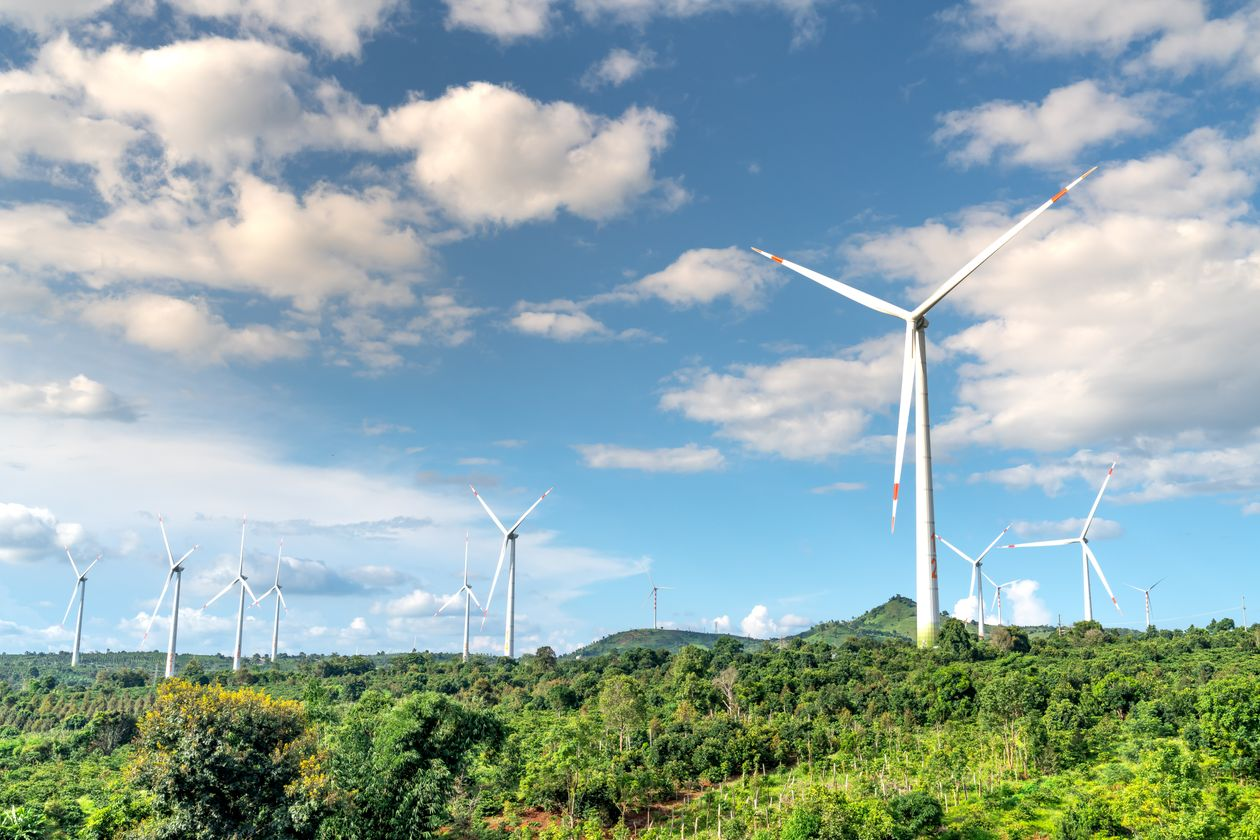
The combined project could accommodate up to 55 onshore wind turbines with an installed generating capacity of approximately 368.5MW. It is located around 10 kilometres southeast of Tregaron, across the boundary between Ceredigion and Carmarthenshire. The proposal remains at the assessment and consent preparation stage.
ERM previously prepared the environmental impact assessment scoping report and will now lead the next stage of investigations and engagement. The appointment, confirmed on 22 October, concerns project development services, not a turbine supply contract, an EPC award or approval to begin construction.
Lan Fawr brings together the earlier Lan Fawr and Bryn Rhudd proposals. Bute Energy decided in June 2026 to advance them as one development after their programmes converged and consultation feedback suggested that communities viewed the neighbouring areas together.
The merger did not add turbines to the combined proposal or automatically change the development boundary. Bute Energy says the design may still be refined through surveys and consultation, including the positions of individual machines and associated infrastructure.
Current plans identify maximum turbine blade tip heights of 220 metres. In addition to the turbines, the development would require access tracks, foundations, crane hardstandings, a substation, a control building, wind measurement equipment and temporary areas for construction and storage.
The stated 368.5MW represents proposed installed generating capacity, rather than electricity already being delivered to the network. Output would vary according to wind conditions, equipment availability and the final electrical connection arrangements. No annual generation guarantee can be inferred from the proposed turbine ratings.
Individual turbines convert the kinetic energy of moving air into mechanical rotation and then electricity. Rotor dimensions, hub height and turbine spacing influence the amount of energy a development can capture, while power conversion and control systems regulate the machines’ electrical output within their operating limits.
Positioning turbines across the site also affects interactions between machines. An upstream rotor reduces the speed of the airflow passing behind it and can increase turbulence, creating wake effects at downstream turbines. The extent of those effects depends on wind direction, site topography and the final turbine layout.
Developers therefore need to assess generation yield alongside access, ecology, landscape effects and local constraints. A layout with the largest possible number of turbines may not provide the most suitable overall design once aerodynamic interactions and the requirements of the consenting process are considered.
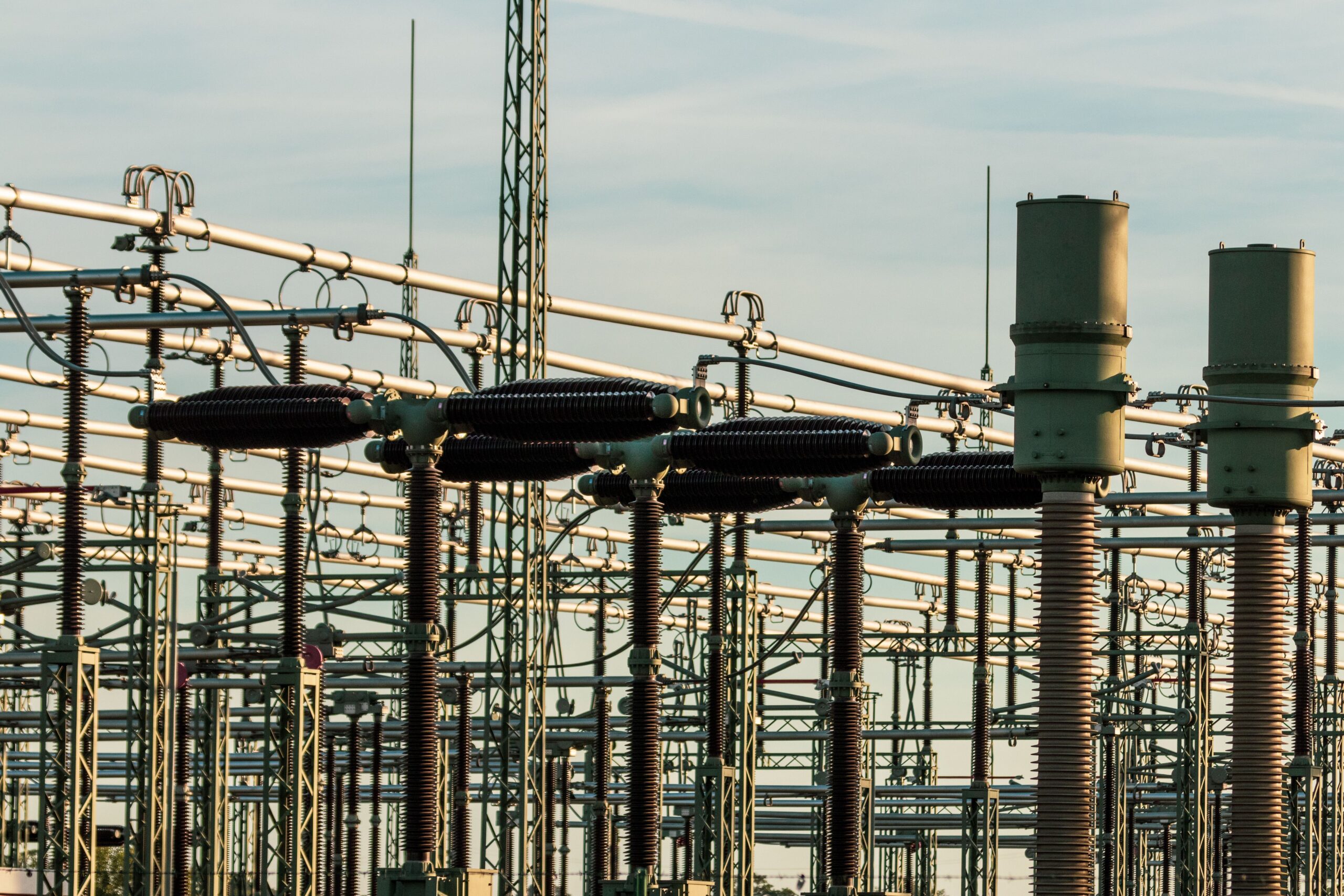
Electrical infrastructure must collect power from individual turbines and transfer it to the connection point. Turbine transformers, collection circuits, switchgear and protection equipment form part of that system, but Bute Energy has not disclosed a final cable configuration or connection voltage for Lan Fawr.
The site’s control arrangements would need to coordinate generation within any maximum export capability agreed with the network operator. Protection settings, voltage and frequency response, power quality and fault behaviour are among the technical matters that have to be addressed before a wind farm can connect and operate.
ERM’s assessment will consider the environmental effects of the proposed development and its construction. Relevant studies cover landscape and visual change, ecological conditions, noise, access and other potential effects that can be influenced by turbine placement and the design of supporting infrastructure.
Environmental fieldwork may also affect construction methods. Foundations and access roads have to be designed around ground conditions and the characteristics of the site, while transport arrangements must accommodate large tower sections, blades and heavy lifting equipment. Changes to routes or construction areas can alter the land and environmental effects assessed.
Construction activities create temporary requirements that differ from those of an operating wind farm. Vehicle movements, groundworks, temporary compounds and the positioning of cranes will need to be addressed in the eventual application, alongside the long-term effects of installed turbines and electrical equipment.
Lan Fawr is being advanced under Wales’s Infrastructure Consents regime as a Significant Infrastructure Project. The developer must submit an application through Planning and Environment Decisions Wales, with the final decision resting with Welsh Ministers. The current appointment does not prejudge that decision.
Bute Energy expects to hold statutory consultation during summer 2027 and to submit the application later that year. The consultation will follow earlier non-statutory engagement and is intended to provide communities and statutory consultees with the revised design and assessment information before an application is finalised.
The developer has also outlined a community benefit fund of up to £2.75 million annually, based on its current design. The amount is prospective and would depend on the project reaching operation under the relevant arrangements, rather than constituting funding already distributed.
The consultation and examination process may lead to changes in the turbine layout or supporting infrastructure. No final construction schedule or commercial operation date has been established, and the turbine model and electrical equipment suppliers have not been selected publicly.
ERM’s next work will therefore determine and document the environmental and technical constraints around the proposed installation. Bute Energy is targeting formal consultation in summer 2027 and an infrastructure consent application towards the end of that year, before any decision on construction can be made.