IN Brief:
- Archer will not pursue further offshore wind EPC contracts and is reviewing strategic options for Archer Wind.
- Outstanding Culzean variation orders and a subcontractor claim remain unresolved.
- Main deliveries for the 3MW floating turbine are complete, but offshore commissioning remains under way.
Archer Limited has decided not to pursue further offshore wind engineering, procurement and construction contracts following unresolved commercial matters on the 3MW Culzean floating wind project in the UK North Sea.
The contractor is assessing strategic alternatives for Archer Wind, including a possible partial or full divestment. It has completed its principal contracted deliveries for Culzean, but negotiations over material variation orders and a claim against a subcontractor remain unresolved.
Archer disclosed the decision in its third-quarter trading update on 21 October. Net interest-bearing debt had risen to approximately $525 million, reflecting both delays in resolving the Culzean commercial position and investment elsewhere in the group. The company has temporarily paused shareholder distributions and plans to reconsider them in early 2027.
The company reported quarterly revenue of $267.6 million and EBITDA of $44.2 million, while its backlog including options stood at approximately $3.8 billion. It reiterated full-year guidance, distinguishing the decision to leave offshore wind EPC from its continuing well services, drilling and platform operations.
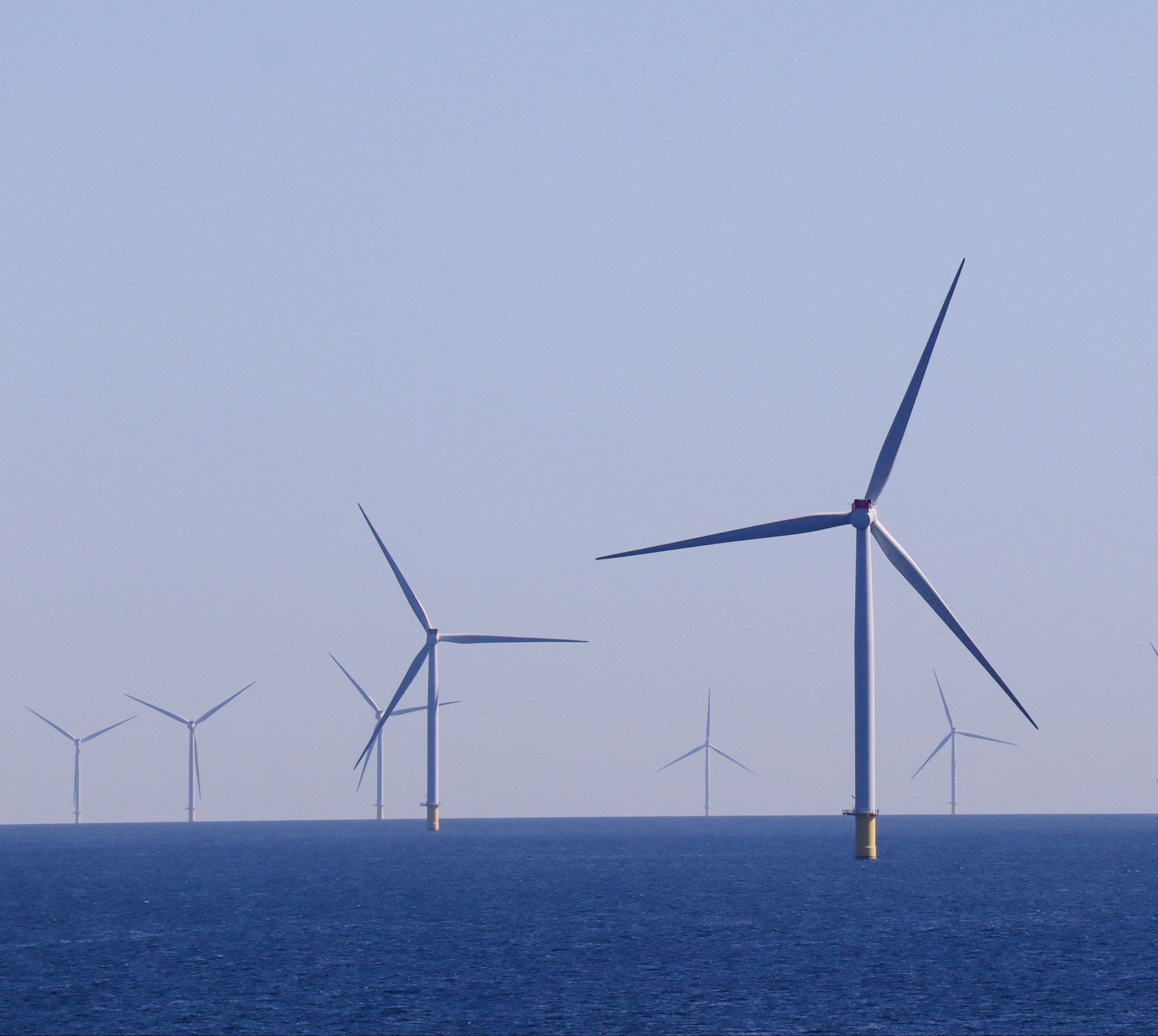
Culzean involves a single floating wind turbine rated at 3MW, intended to deliver renewable electricity to an offshore gas production facility. The turbine and its floating foundation were assembled before being towed from Norway to the UK North Sea in August 2026. Offshore commissioning remains under way.
The project is led by NEO NEXT+ Energy, the operator formed through the combination of UK upstream energy businesses earlier in 2026. The client is responsible for offshore commissioning, with Archer supplying personnel under a reimbursable support arrangement. Completion of Archer’s main deliveries is therefore not equivalent to commissioning the turbine.
The floating foundation was developed by Ocergy under its OCG-Wind platform. Its modular steel arrangement is designed for fabrication and assembly in port before deployment offshore. The company identifies bolted connections as a feature of the platform, reducing the extent of welding required during final assembly.
A floating turbine is held in position through a combination of buoyancy, ballast and mooring arrangements rather than a foundation fixed directly to the seabed. Wind, waves and currents produce loads and motion that must be managed through the structural design and the controls governing the turbine.
The rotor and drivetrain generate electricity as wind conditions permit, while the floating structure introduces motions that can influence equipment loads. Turbine controls regulate generator torque and blade pitch within operating limits, with the wider design required to address the coupled behaviour of the turbine and support structure.
Exporting electricity from a moving offshore structure also introduces cable design requirements. The electrical connection must tolerate relative movement while maintaining insulation and mechanical integrity over its operating life. Protection, switching and monitoring systems are needed to connect the variable wind source safely to the receiving electrical installation.
The Culzean turbine is intended to meet approximately one fifth of the gas platform’s electricity demand once operational. That contribution is a project estimate rather than measured commercial output. The wind resource changes over time, and the facility must retain reliable electrical supplies when the turbine produces less than its rated power or is unavailable.
Integrating wind generation with an offshore industrial power system requires coordination between the turbine’s output and the platform’s existing generation and control equipment. Voltage and frequency behaviour, fault protection and the available reserve supply determine how much renewable electricity can be used without compromising operational requirements.
Archer’s difficulties concern the commercial arrangements for delivering the project, not confirmation of a technical failure of the turbine. Engineering, procurement and construction contracts can involve changes to specifications and sequencing as equipment moves through fabrication, integration and marine installation.
Variation orders address changes to the agreed scope or delivery requirements. Their value and approval can become contentious when the work has already been performed, particularly where additional engineering, transport or fabrication activities have been required. Archer has not disclosed the amounts it expects to recover from the Culzean negotiations.
The separate subcontractor claim adds uncertainty to the overall project account. Archer’s management has linked the unresolved issues to its debt position, but the company has not identified a settlement date or guaranteed recovery. Potential proceeds should therefore not be included as realised income.
The group’s decision to stop pursuing further offshore wind EPC work reflects the exposure created by a specialised project with complex delivery interfaces. Equipment integration, port activities, towing, offshore installation and final commissioning can be split across several organisations, while contract responsibilities and cost recovery must remain clearly defined.
Archer Wind was established in 2021 to develop offshore wind technologies and services, and the company has invested in Ocergy. Exploring a sale or other strategic arrangement for Archer Wind is a further corporate decision; no buyer, transaction value or binding divestment agreement has been disclosed.
The Culzean project has not been cancelled by the trading update. Its main deliveries have been completed and offshore commissioning continues, while Archer remains involved in support work. The next reported developments will be the resolution of outstanding claims, completion of commissioning and the outcome of Archer’s review of the wind business.