IN Brief:
- SSE invested £2.56 billion in the six months to September 2026, an increase of 63% against the comparable period.
- Regulated electricity networks accounted for approximately 70% of capital expenditure, with work started across all 11 major SSEN Transmission projects.
- SSE expects investment and capital expenditure exceeding £5 billion during 2026/27 as it advances its five-year £33 billion programme.
SSE invested £2.56 billion in electricity infrastructure and generation assets during the six months to 30 September 2026, with regulated power networks accounting for approximately 70% of expenditure as major transmission construction programmes accelerated.
The first-half investment total increased by 63% compared with the equivalent period of 2025. SSE confirmed the figures on 18 November, reporting that construction had commenced in full or in part on all 11 major projects within SSEN Transmission’s current reinforcement programme.
The expenditure contributes to SSE’s five-year £33 billion investment plan, covering electricity transmission, distribution, renewable generation and flexible power assets. The group expects investment and capital expenditure to exceed £5 billion during the full 2026/27 financial year.
SSEN Transmission is undertaking a substantial programme of high-voltage network reinforcement across northern Scotland, including new substations, overhead lines, underground and subsea cables, and converter stations. The projects are intended to increase the ability of the transmission system to accommodate and transfer electricity from additional generating capacity.
The transmission business is progressing a programme valued at approximately £29 billion to 2030. That figure describes the wider transmission investment programme, while the £33 billion plan is SSE’s group-wide programme across multiple business activities. The two figures should not be added together as though they were entirely separate commitments.
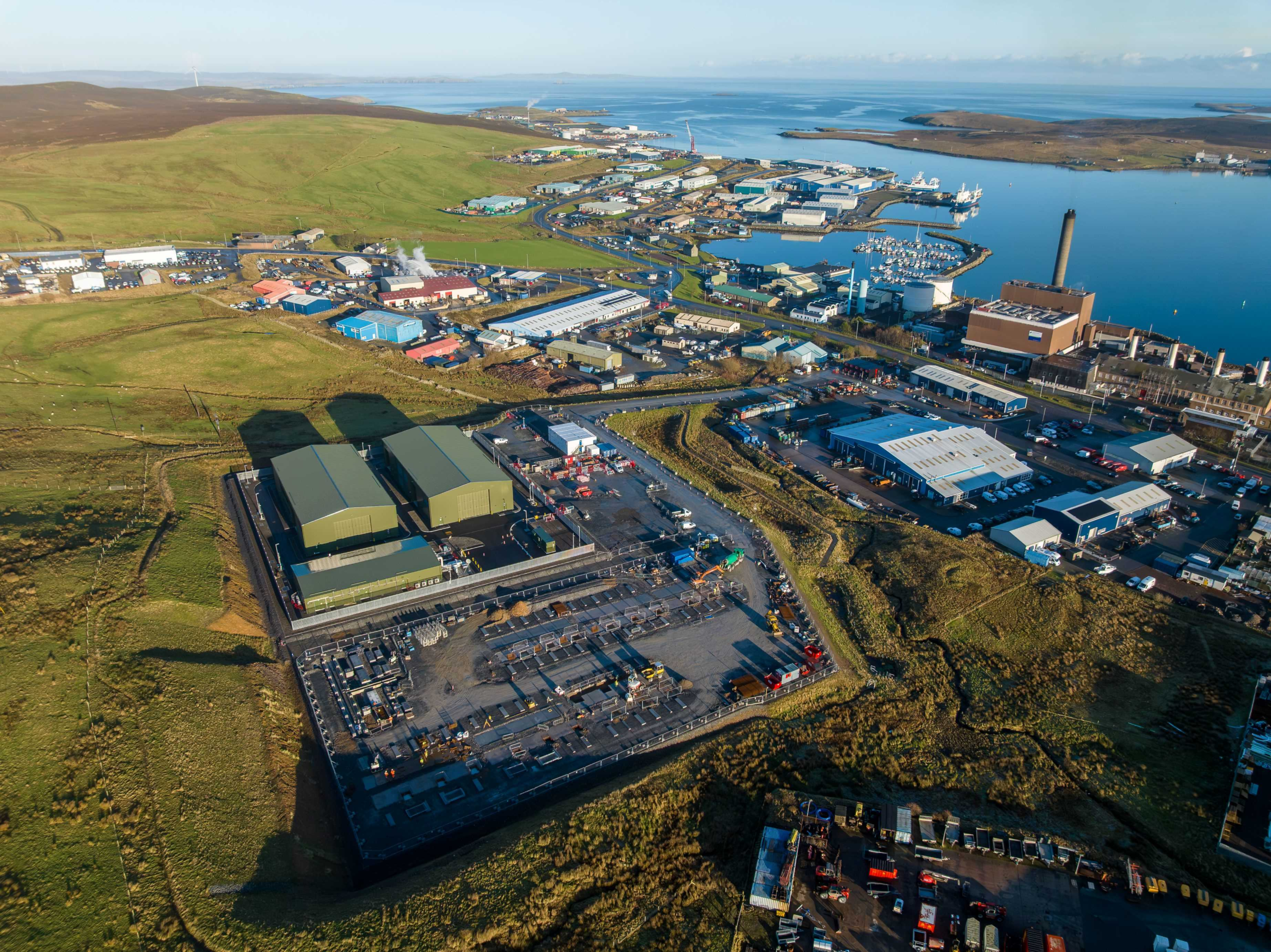
Physical construction has accelerated as projects move from design, consenting and procurement into site preparation and installation. Early works can include construction access, foundations, earthworks and equipment platforms before major electrical assets arrive for installation.
The distinction between starting construction and completing an electrical installation remains important. SSE’s statement covers projects on which work has commenced in full or in part, rather than 11 completed transmission reinforcements ready to carry additional electricity.
Individual transmission schemes require several connected elements to be delivered before their intended capacity becomes available. New substations may depend on associated overhead lines or cable connections, while high-voltage direct current links require converter stations and connections to the existing alternating-current network.
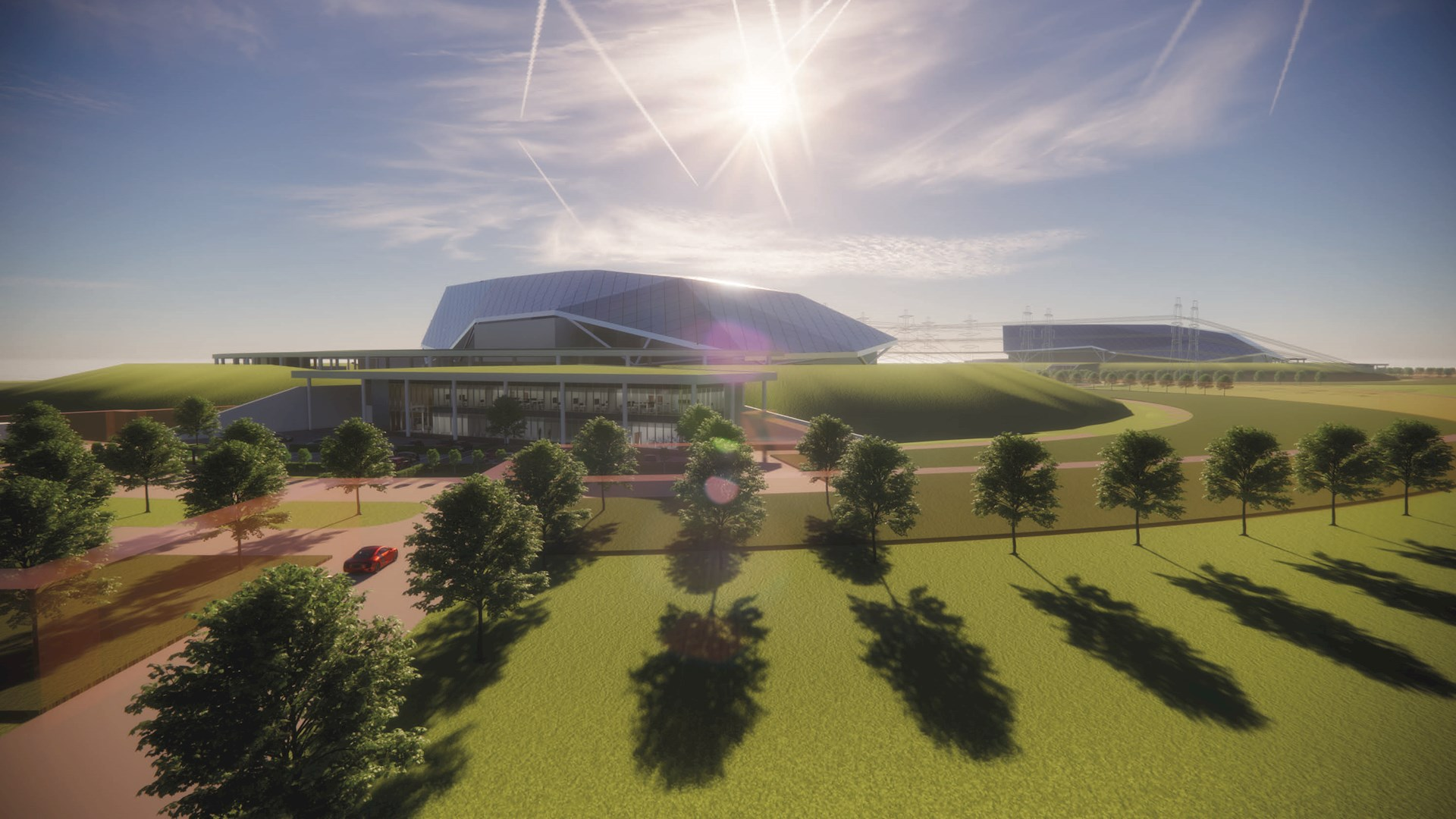
Converter stations use power electronic equipment to transfer electricity between alternating-current and direct-current systems. Their associated transformers, switchgear, protection systems and controls must be integrated with the cable link and the connected transmission infrastructure.
The construction programme includes Eastern Green Link 2, a 2 GW high-voltage direct current connection being developed between Scotland and England by SSEN Transmission and National Grid Electricity Transmission. The project includes an approximately 505 km route connecting Peterhead and the Drax area in Yorkshire.
Work on Eastern Green Link 2 involves converter station construction, subsea and underground cable infrastructure, and connections to the existing transmission networks. The link’s intended transfer capacity will not be available until those components have been installed, tested and commissioned as a connected system.
The project illustrates the scale of the engineering activity associated with SSE’s investment programme. Converter equipment, cable manufacturing and installation, civil works and network integration must be coordinated across different construction locations and delivery schedules.
Elsewhere in northern Scotland, SSEN Transmission is progressing substation and overhead line reinforcement intended to support additional renewable generation. Work includes developments associated with the Spittal–Loch Buidhe–Beauly and Kintore–Tealing connections, alongside other projects within the Pathway to 2030 programme.
Increasing network capacity requires more than replacing an existing conductor or constructing a new substation. The electrical design must account for transformer ratings, thermal limits, insulation requirements, fault levels, protection coordination and the stability of the connected transmission system.
Where existing overhead line structures are retained or modified, engineers must also assess their ability to accommodate new conductors and operating conditions. Tower foundations, clearances and structural loads can determine whether additional work is required before a circuit can operate at its intended rating.
Planning and statutory approvals remain significant parts of the programme. SSE reported that 27 of 34 major consents required for the relevant transmission developments had been secured at the time its interim reporting position was prepared.
Subsequent approvals concerning the proposed Carnaig and Hurlie 400 kV substations were confirmed on 18 November. Those decisions alter the planning position of individual developments, although associated transmission routes and other infrastructure may require separate approvals.
SSEN Distribution is also preparing its investment plans for the next electricity distribution regulatory period, RIIO-ED3, covering April 2028 to March 2033. The proposals concern additional network capacity, replacement of existing equipment and measures to accommodate changing electricity demand.
Distribution investment must account for the concentration of new loads at particular locations. Electric vehicle charging, electrically powered heating and industrial expansion can increase demand on individual feeders and transformers even where capacity remains available elsewhere on the network.
Reinforcement projects are therefore assessed against the ratings and expected operating conditions of existing assets. Proposed expenditure will remain subject to Ofgem’s regulatory decisions, and submission of a business plan does not establish that every proposed project or allowance has been approved.
SSE’s growing network investment is also reflected in its financial results. Adjusted operating profit increased by 68% to approximately £1.1 billion, compared with £655 million in the equivalent period a year earlier.
Electricity networks contributed around two-thirds of adjusted operating profit. Investment in qualifying regulated assets increases the value of the infrastructure used in providing network services, with the associated revenue and permitted returns governed by the applicable regulatory arrangements.
Reported operating profit was approximately £947 million, compared with £634 million in the prior period. These financial measures reflect accounting and regulatory arrangements across SSE’s businesses and should not be treated as direct measurements of infrastructure completed during the half-year.
Investment also continued across the group’s renewable generation portfolio. At Dogger Bank, approximately 150 offshore wind turbines had been installed across the development, with around 100 commissioned by the time of the interim results.
The 3.6 GW project comprises three 1.2 GW phases. Dogger Bank A remains in commissioning, while installation has progressed substantially at Dogger Bank B and foundation and electrical work has advanced elsewhere within the development.
Installation and commissioning represent different engineering milestones. A turbine can be mechanically complete without being ready to deliver electricity, because its electrical systems, collection cables, protection arrangements and wider network connections must be tested and available.
SSE expects Dogger Bank A’s capacity to be substantially available by the end of the first quarter of 2027, with the remaining capacity becoming available during the final commissioning period by the end of the third quarter. The company expects Dogger Bank B to be substantially available during the first half of 2027.
Those forecasts are subject to construction and commissioning progress rather than confirmation that every turbine has entered commercial operation. The completed wind farm will require the coordinated operation of generating equipment, offshore electrical infrastructure and export connections.
The group maintained adjusted earnings per share guidance of 168–193 pence for 2026/27 and reaffirmed its longer-term target of 225–250 pence for 2029/30. These financial forecasts are separate from the technical milestones governing individual infrastructure projects.
SSE expects a further increase in expenditure during the remainder of the financial year, taking investment and capital expenditure above £5 billion. Construction across its transmission programme and commissioning at Dogger Bank will remain major delivery activities as the group advances the £33 billion investment plan.