IN Brief:
- Navaris has commissioned the 39.9 MW Dalkendorf wind farm in Mecklenburg-Western Pomerania, Germany.
- Seven Nordex N149 turbines, each rated at 5.7 MW, make up the generating installation.
- Annual production is forecast at 87.7 GWh, while Navaris continues developing a substantial additional German wind portfolio.
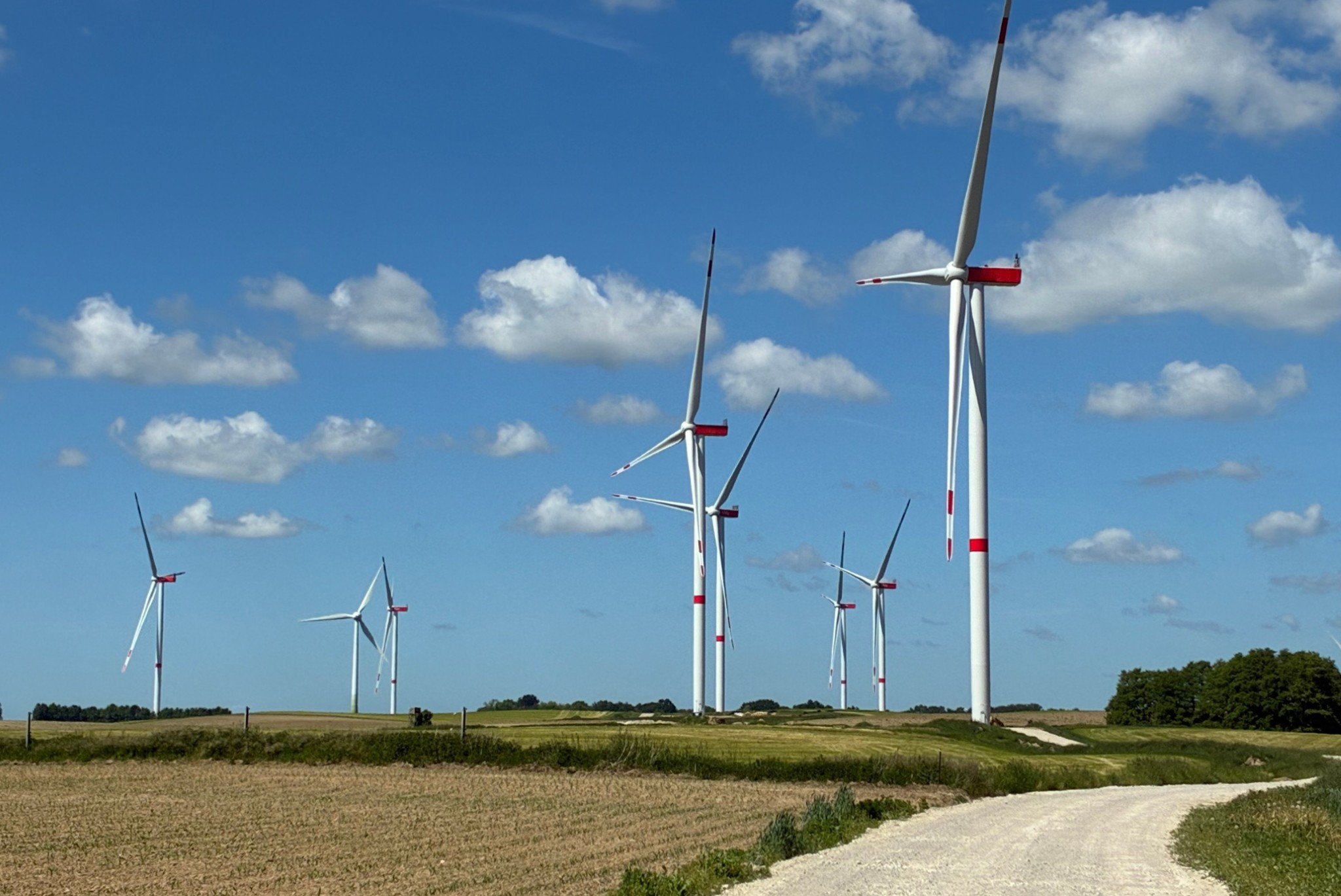
Navaris has completed commissioning of its 39.9 MW Dalkendorf wind farm in Mecklenburg-Western Pomerania, bringing seven Nordex onshore wind turbines into operation in northern Germany.
The wind farm is located in the Rostock district, between Dalkendorf, Bartelshagen, and Warnkenhagen. It comprises seven Nordex N149 turbines, each with a nominal generating capacity of 5.7 MW, and is expected to produce approximately 87.7 GWh of electricity annually.
Navaris confirmed completion on 18 November, having managed the development from an early project stage through construction and commissioning. The milestone transfers the 39.9 MW installation into the company’s operating portfolio rather than adding another consented or construction-stage project.
The estimated annual production is equivalent to the electricity consumption of approximately 26,000 three-person households, according to Navaris. This comparison is based on forecast electricity generation and assumed household consumption; it does not establish that the installation supplies those households directly.
Each Nordex N149 turbine has a rotor diameter of approximately 149 metres, giving the machine a substantial area from which to capture wind energy. The rotor converts aerodynamic forces into mechanical rotation, which drives generating equipment through the turbine’s drivetrain.
Electrical output depends on the available wind resource and the machine’s operating conditions. The turbines can generate at their rated capacity when suitable wind speeds are available, but production varies as the wind changes and equipment operates within its control and protection limits.
Blade pitch systems regulate the angle of the turbine blades to manage aerodynamic loading and electrical generation. Their operation is coordinated with other turbine controls, which must maintain mechanical forces and equipment speeds within the limits established for the machine.
Wind turbine control systems also respond to conditions that make normal generation unsuitable. Where wind speeds, equipment conditions, or electrical parameters exceed permitted limits, the machine may reduce output or shut down to protect its mechanical and electrical components.
Generating electricity from seven separate turbines requires more than individual machines operating successfully. Their outputs must be collected and transferred through the wind farm’s electrical infrastructure before the combined generation can be delivered into the wider electricity network.
Each turbine incorporates electrical equipment that interfaces with transformers and the collection system. The wind farm also requires protection, switching, metering, and control arrangements capable of coordinating the operation of the generating units and maintaining compliance with its grid connection requirements.
The precise voltage and configuration of Dalkendorf’s collection network were not specified in the commissioning announcement. The completed installation nevertheless required testing of its electrical systems and verification of the interfaces between the turbines, collection circuits, and grid connection before normal operation could begin.
Electrical protection must respond appropriately when faults occur. Equipment such as circuit breakers and protective relays provides the means to detect abnormal conditions and isolate affected parts of the installation, while control systems monitor the operating status of the generating plant.
Commissioning establishes whether these systems function together as intended. Tests can include verification of electrical connections, equipment protection, control functions, communications, and the operating characteristics required under the relevant grid connection agreement.
The transition from installation to commissioning also requires coordination with mechanical completion. A turbine may be assembled on its foundation but remain unavailable for electricity production until the required inspections, electrical tests, and operating checks have been completed.
Foundations and towers must accommodate the forces produced during operation, including changing loads from the rotor and environmental conditions. The design and installation of these structures therefore form part of the wider engineering requirements governing the generating equipment.
Transport and installation impose additional constraints. Long turbine blades, tower sections, and nacelles require suitable access routes and lifting arrangements, with the construction programme depending on the availability of components, specialist equipment, and appropriate weather conditions.
Navaris managed Dalkendorf across the development and construction stages, allowing the project to progress through equipment selection, delivery, installation, and commissioning under its project management arrangements. The company has not disclosed a final construction cost in the commissioning announcement.
The operating stage introduces continuing responsibilities for asset management and maintenance. Turbines require inspections and servicing of mechanical, electrical, and control equipment, while monitoring systems provide information about availability, performance, and operating conditions.
Maintenance requirements can influence annual production, particularly when inspections or repairs require generating equipment to be taken out of service. Actual electricity output will consequently depend on the availability of the turbines as well as the wind conditions experienced during the year.
Navaris’s 87.7 GWh annual production estimate provides a benchmark for subsequent operating performance. It remains a forecast until a full operating period has established how much electricity the completed installation delivers under actual conditions.
The commissioning follows further progress in the company’s German wind development programme. Navaris secured awards covering 304.5 MW across 11 projects in the latest tender conducted by Germany’s Federal Network Agency.
Those awards concern additional developments at different stages of the project cycle. They do not represent generating capacity already placed into operation through the completion of Dalkendorf, which contributes 39.9 MW to the company’s installed portfolio.
Navaris currently manages approximately 1.4 GW of renewable energy assets in operation or under construction across Germany, alongside more than 3 GW of projects in advanced development. The company also maintains a wider pipeline of earlier-stage developments.
The distinction between operating, construction, and development capacity remains important when assessing additions to electricity supply. Projects awaiting investment or construction cannot contribute generation, while equipment under construction requires installation, connection, and commissioning before entering normal service.
Dalkendorf has completed that sequence and joined Navaris’s operating fleet. Its seven turbines will now be managed through the company’s asset management and maintenance arrangements, with electricity production measured against the annual 87.7 GWh forecast.