IN Brief:
- Nefco has agreed a €6.7 million loan with Danish battery storage developer BattMan Energy.
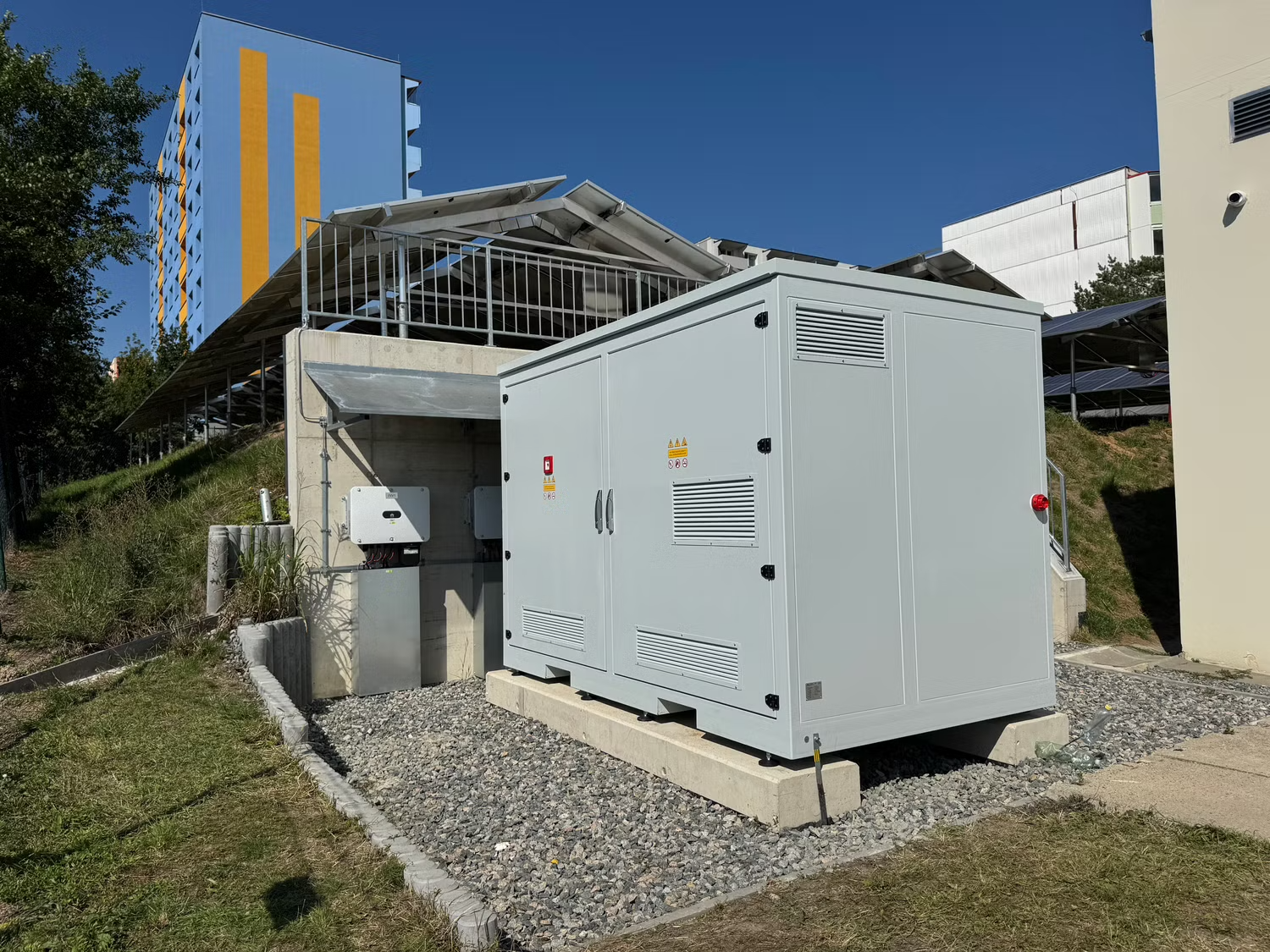
- BattMan has more than 350 MW of capacity operational or under construction, representing approximately 1 GWh of storage.
- The financing supports development and grid connection expenditure, with a partial European Investment Fund guarantee under InvestEU.
Nefco has agreed a €6.7 million development loan with Danish battery storage company BattMan Energy, providing financing to advance utility-scale battery projects towards construction and support the company’s expansion into long-term asset ownership.
The Nordic Green Bank confirmed the financing on 17 November. BattMan currently has more than 350 MW of battery storage operational or under construction, representing approximately 1 GWh of energy capacity, alongside an identified Danish development pipeline exceeding 3 GW.
The loan will support expenditure during project development, including costs associated with securing grid connections. Nefco has identified limited availability of commercial financing during this period as a barrier to progressing additional battery installations towards construction.
BattMan was founded in 2022 and develops utility-scale battery energy storage systems. Its activities include identifying suitable sites, securing permissions and financing, managing construction, and arranging the operation of completed installations.
The company also provides development expertise to renewable energy producers seeking to add battery storage to their projects in several European markets. The latest financing is intended to support both further development activity and BattMan’s intention to retain selected operating assets.
Early development of a battery project can require substantial expenditure before construction financing becomes available. Site studies, network connection applications, planning work, equipment specification, and technical assessments must be undertaken while the project’s eventual commercial terms are still being established.
Connection arrangements are particularly important for storage developments because batteries must be capable of both importing and exporting electricity. Network operators need to assess the effect of charging demand, discharging power, fault levels, and the operating characteristics of the equipment at the proposed connection point.
The available network capacity can influence both the location and design of a battery installation. A proposed site may offer suitable land and commercial opportunities but require additional reinforcement or operating restrictions before the requested electrical capacity can be accommodated.
Those requirements affect project costs and delivery schedules. Connection charges, technical studies, and other development expenditure may need to be committed before the project has secured the financing required to procure and install its battery equipment.
Nefco’s loan addresses part of that financing requirement. By allowing BattMan to carry development and grid connection costs for longer, the company can continue progressing projects while seeking the approvals and commercial arrangements necessary for construction.
The arrangement also supports BattMan’s ability to recycle capital into subsequent developments. Once an individual project reaches a more advanced stage, its financing and ownership structure may change, potentially releasing resources for further work elsewhere in the portfolio.
The company’s reported 350 MW of operating or construction-stage capacity must be distinguished from its development pipeline. The latter represents prospective projects that remain subject to planning, investment, grid connection, and delivery decisions.
Battery systems are described by both power capacity and energy capacity. The power rating determines how quickly electricity can be charged or discharged under rated conditions, while the energy rating describes the amount available for storage.
BattMan’s aggregate portfolio of more than 350 MW and approximately 1 GWh therefore represents a substantial amount of electrical storage capability, although those combined figures do not establish the duration or configuration of each individual installation.
Battery storage can respond rapidly to changing electricity system conditions by absorbing energy when charging and returning it during discharge. Power conversion equipment manages the exchange between the battery’s direct-current electrical circuits and the alternating-current network.
Control systems coordinate those operations within the limits of the battery cells, converters, and grid connection. Charging and discharging schedules must account for energy availability, operating temperatures, equipment protection, and the services for which the installation has been contracted.
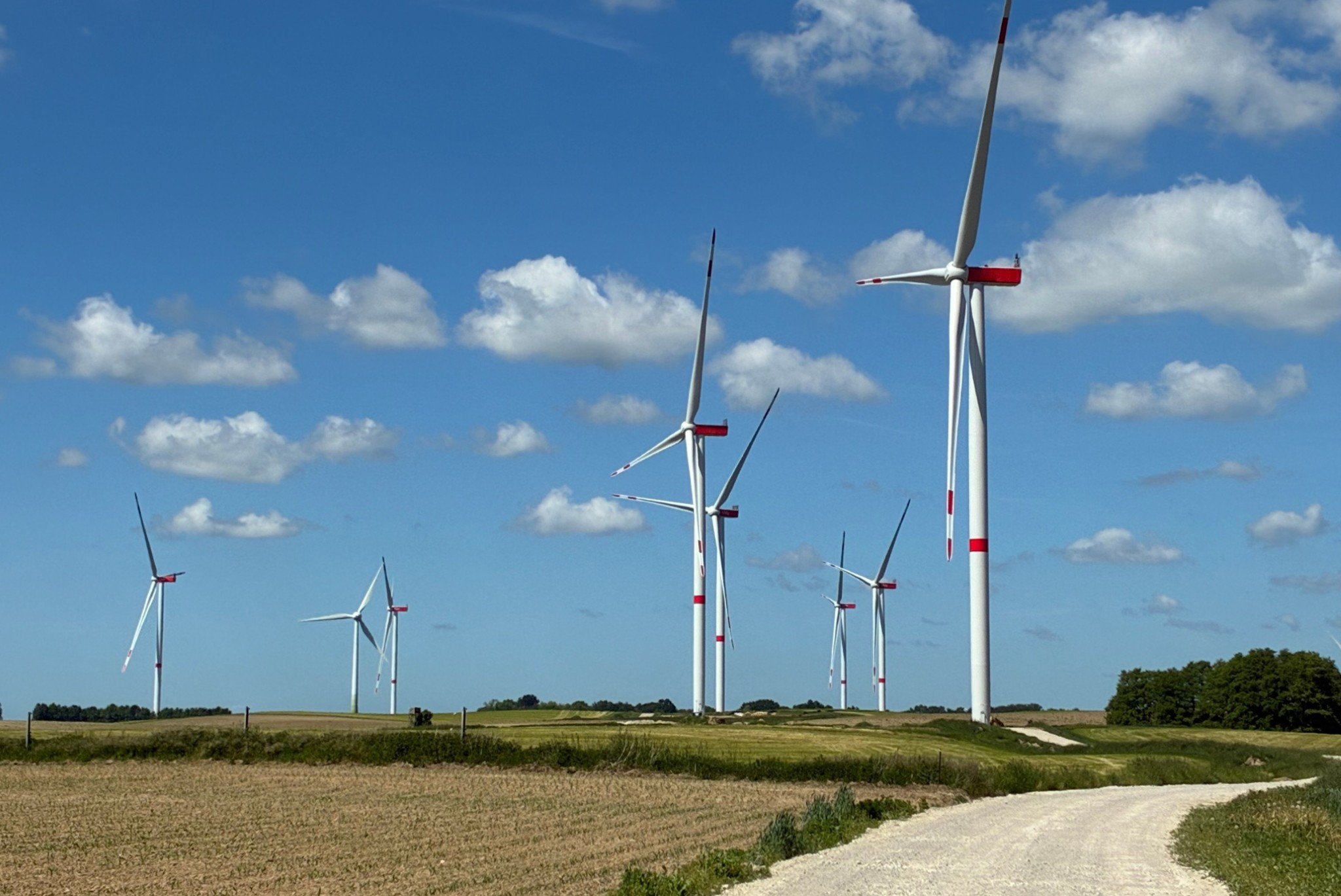
Denmark’s substantial wind generation capacity creates changing electricity production patterns that must be balanced against demand. Wind turbines produce electricity according to prevailing weather conditions, while consumption follows different daily and seasonal patterns.
Battery installations can provide flexibility by altering when electricity is imported or exported. They can also participate in balancing services where their equipment, communications, and metering arrangements meet the requirements of the relevant electricity market.
Energinet, Denmark’s transmission system operator, expects the overall requirement for balancing services to increase by approximately 150% towards 2040. That projection provides a measure of the potential increase in flexibility requirements as the electricity system changes.
Meeting those requirements depends on the capabilities available from individual assets. A battery may be technically able to respond rapidly to a dispatch instruction but must also have sufficient stored energy, available connection capacity, and the necessary commercial arrangements to provide the requested service.
Storage can also help manage renewable generation where network constraints affect the transfer of electricity. Charging during periods of surplus production may absorb energy that would otherwise be restricted, while subsequent discharge can move electricity into a period when the network has greater capacity.
The effectiveness of this arrangement depends on the electrical location of the battery and the constraints affecting the connected network. Storage installed outside the constrained area cannot necessarily provide the same network benefit as an asset connected where the restriction occurs.
Grid connection rights and operating conditions consequently remain important components of project design. An installation’s value depends on the services it can technically provide and the electricity market opportunities available at its connection point.
BattMan currently has 113 MWh of operating battery storage assets that Nefco estimates could avoid approximately 12,000 tonnes of carbon dioxide emissions annually. The figure is an estimated benefit associated with existing assets rather than a measured emissions reduction produced by the newly agreed loan.
As the company retains more completed installations, it will assume additional responsibilities for ongoing equipment condition, maintenance, market participation, and operating performance. These differ from the development activities undertaken before an asset enters service.
Long-term ownership can provide access to operating revenues but also exposes the owner to equipment availability, battery degradation, maintenance costs, and changing electricity market conditions. The specific assets BattMan intends to retain have not been identified in the financing announcement.
The €6.7 million loan is partially guaranteed by the European Investment Fund under the InvestEU programme. The guarantee supports the financing arrangement during a project stage at which Nefco considers conventional commercial lending to be insufficiently available.
The agreement does not establish that BattMan’s entire development pipeline has secured construction financing or approval. Individual developments must continue through their own technical, regulatory, and investment processes before equipment can be installed and commissioned.
BattMan will use the financing to advance projects towards construction and support selected investments in operating storage. Subsequent project announcements will establish which installations secure final investment approval, begin construction, and enter service.