IN Brief:
- Ofgem opened its consultation on AI assurance in the energy sector on 18 November 2026.
- The proposed guidance concerns how AI applications are tested, evaluated and governed, with an emphasis on proportionate risk management.
- Responses close on 15 January 2027, and stakeholder workshops are scheduled for December and January.
Ofgem has opened a consultation on artificial intelligence assurance in the energy sector, seeking views on good practice guidance for testing, evaluating and governing AI applications used by energy companies and other market participants.
The consultation, published on 18 November 2026, sets out a proposed approach intended to support responsible AI adoption while protecting consumers and the resilience of the energy system. Responses are invited until 15 January 2027, with two stakeholder workshops scheduled during the consultation period.
Ofgem is considering how organisations can establish that AI systems perform their intended functions and that the associated risks are understood and managed. Its proposals concern assurance practices rather than the immediate introduction of a mandatory certification regime.
The consultation follows a call for input issued in June 2026, which gathered evidence from energy companies, market participants, technology developers, academics and consumer organisations. That work examined the role assurance could play as AI becomes more widely integrated into energy services and operations.
Testing, evaluation and governance address different aspects of system assurance. Testing examines how a particular application behaves under defined conditions, while evaluation considers whether its performance is suitable for the task and operating environment in which it will be used.
Governance establishes responsibility for decisions about development, deployment, monitoring and intervention. Even where an AI system produces useful outputs, organisations need arrangements for identifying unexpected behaviour and deciding whether the application should continue operating.
Electricity networks increasingly depend on digital systems for monitoring assets, forecasting demand, assessing operating conditions and coordinating maintenance. AI can support these activities by analysing large volumes of measurements and identifying patterns that conventional methods may not readily detect.
Performance depends on the data and assumptions used to develop the application. A demand forecasting model trained on historical electricity consumption, for example, may produce less reliable results when new industrial loads, electric vehicle charging or other changes alter the network’s demand profile.
Assurance therefore extends beyond demonstrating that a model performs well against its original test dataset. Organisations need to understand whether its outputs remain dependable when conditions differ from those encountered during development, including periods of unusual demand or changes to the underlying electricity infrastructure.
The consequences of an incorrect result also vary between applications. A model used to identify assets for closer inspection influences maintenance planning, while software involved in operational decisions may affect the timing or configuration of electricity network activities.
Those applications require different levels of scrutiny because their outputs have different consequences. A maintenance recommendation can be examined before work is authorised, whereas a system allowed to initiate operational actions may need more restrictive controls and intervention arrangements.
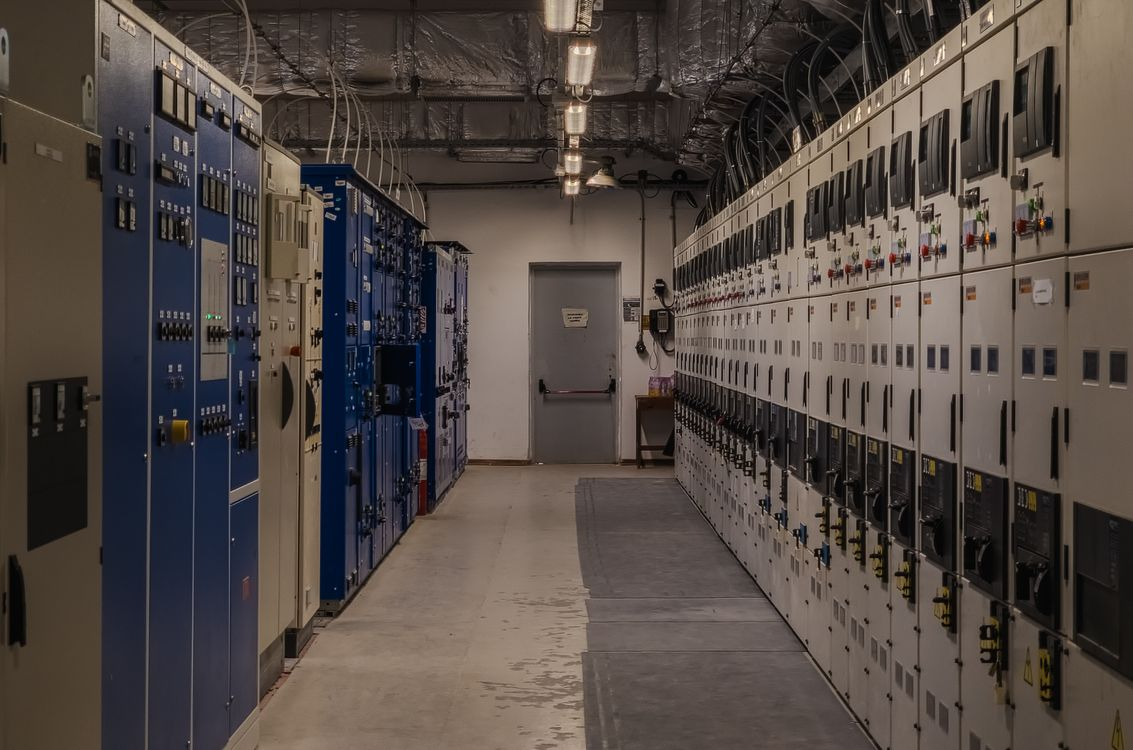
Established electricity protection and control systems must continue to satisfy their technical requirements. Circuit breakers, protective relays and associated equipment provide defined functions under normal and fault conditions, regardless of whether AI is used elsewhere in the operator’s monitoring or decision processes.
Introducing an AI application into an operational workflow therefore requires the organisation to establish which functions the software performs and which remain under conventional controls or human authority. The boundaries between recommendation, approval and execution need to be understood before deployment.
Ofgem’s wider work on emerging technologies also considers increasingly autonomous AI systems, including applications capable of interacting with other software or carrying out sequences of actions. Their operation raises questions about authority, supervision and the conditions under which automated activity should be interrupted.
An application that can retrieve information from several systems and act on the results introduces different dependencies from software that merely displays a forecast. Data accuracy, access permissions and the behaviour of connected systems all become relevant to the assurance process.
AI models may also change after deployment through updates, retraining or alterations to their operating environment. Monitoring is necessary to establish whether the application continues to perform within its expected limits and whether further testing is required following material changes.
Evidence of satisfactory performance can include documented test results, evaluation against representative operating conditions and records of how identified limitations have been addressed. The appropriate evidence will depend on the application, its role and the consequences of an error.
Energy companies also obtain AI applications and software services from external suppliers. When systems are developed by third parties, the organisation using them still needs sufficient information to understand their capabilities, operating limits and assurance arrangements.
That can require coordination between software developers, systems integrators and the organisation responsible for the underlying energy operation. Responsibilities for testing, performance monitoring and corrective action must remain clear even where technical work is distributed across several suppliers.
Cybersecurity forms a related but distinct requirement. AI applications connected to operational information or other digital services must be protected against unauthorised access and interference, while assurance of their outputs addresses whether they perform the functions expected of them.
Both considerations are relevant where incorrect information or compromised systems could influence decisions involving critical infrastructure. The latest consultation does not establish a new technical cybersecurity standard, but it forms part of Ofgem’s broader examination of AI risks and regulatory responsibilities.
The regulator is seeking views from energy licensees, market participants, operators of essential services, consumer organisations, technology providers, assurance specialists, academic institutions and other interested parties.
Two online workshops have been arranged to discuss the proposals. The first will take place on 7 December 2026, from 11am to 12.30pm, followed by a second on 6 January 2027, from 10.30am to noon.
Written responses must be submitted to Ofgem by 11.59pm on 15 January 2027. The regulator will consider the feedback before determining how its proposed guidance should be developed and applied.
Existing legal, licensing and operational obligations continue to apply to organisations using AI. The consultation does not provide automatic approval for a particular technology, nor does it establish that every energy company must immediately adopt an additional assurance framework.
The outcome will determine the next stage of Ofgem’s work on assurance practices. Until a final approach is established, the consultation remains a proposal concerning how evidence of AI system performance, limitations and accountability should be assessed across the energy sector.