IN Brief:
- Statkraft and Ampyr Solar Europe have signed a ten-year commercial agreement covering the Snelle Loop solar and storage development.
- The arrangement combines electricity offtake from the 27 MW solar installation with optimisation of a 10 MW/40 MWh battery.
- The contract took effect on 1 October 2026, although the battery's current commissioning status has not been independently confirmed.
Statkraft and Ampyr Solar Europe have signed a ten-year agreement covering electricity offtake and battery optimisation at the Snelle Loop solar and storage development in the Netherlands.
The arrangement combines a power purchase agreement for the project’s 27 MW solar installation with a tolling contract for an associated battery energy storage system rated at 10 MW/40 MWh. It took effect on 1 October 2026, although the companies disclosed the agreement on 18 November.
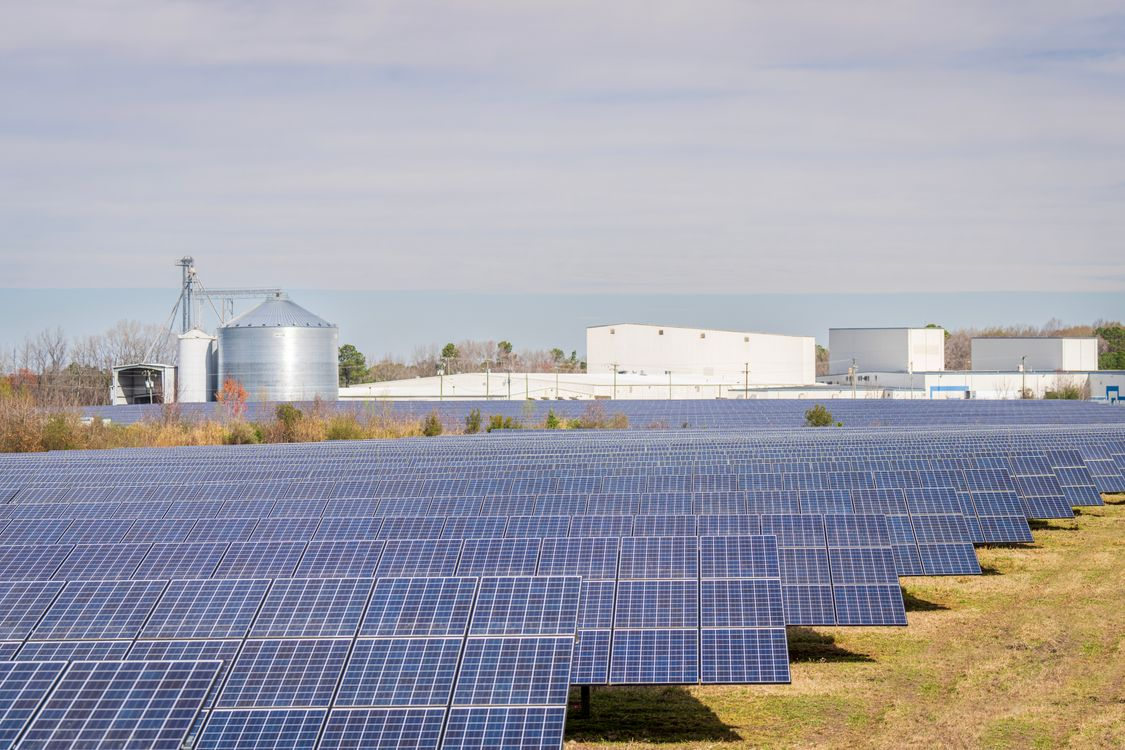
Snelle Loop is located at Beek en Donk in the municipality of Laarbeek and is owned by Ampyr Solar Europe. The photovoltaic installation was connected to the electricity grid on 16 March 2026. Ampyr identifies its installed solar capacity as 26.9 MWp, rounded to 27 MW in the latest commercial announcement.
Statkraft will provide electricity market access and optimisation services, using its trading activities to manage the commercial arrangements associated with renewable generation and storage. The agreement combines different contractual structures because the solar installation and battery provide different forms of electricity market participation.
Under the solar power purchase agreement, Statkraft will offtake electricity generated by the photovoltaic installation. A power purchase agreement establishes the commercial terms governing electricity sales, although the price structure, delivery obligations, and allocation of financial risks depend on the individual contract.
Neither company has disclosed the electricity price agreed for Snelle Loop or the precise division of price exposure between the parties. The ten-year term establishes the duration of the relationship without determining the value of the electricity that will be traded over that period.
The battery arrangement includes both tolling and merchant elements. Under a tolling agreement, an asset owner can grant a commercial counterparty rights to use specified storage capacity, subject to agreed operating conditions and payment terms. The counterparty can manage electricity transactions associated with those rights while the owner retains the underlying asset.
Merchant participation introduces exposure to electricity market conditions, with potential revenues depending on the prices and services available when the battery operates. Statkraft has not disclosed the proportions of the arrangement allocated to tolling and merchant activity, or the financial terms governing either element.
Snelle Loop’s battery is specified at 10 MW of power and 40 MWh of energy capacity. Those figures describe separate technical characteristics: the power rating determines the nominal rate of electricity transfer, while the energy rating determines the amount that can be stored.
Dividing the energy capacity by the power rating gives a nominal discharge duration of four hours. Actual delivery at the grid connection will depend on usable battery capacity, conversion losses, operating limits, and the system’s state of charge when discharge begins.
Battery cells store electrical energy through electrochemical processes, while power conversion equipment manages the exchange between the battery’s direct-current circuits and the alternating-current network. The installation also requires monitoring, protection, and control systems to maintain operation within equipment and connection limits.
Electricity market optimisation must take account of those physical constraints. A battery cannot discharge electricity that has not previously been stored, and charging decisions affect the capacity available for subsequent export. Operating schedules must also allow for efficiency losses, equipment availability, and any contractual restrictions on charging or discharging.
Combining storage with photovoltaic generation introduces opportunities to alter when electricity is delivered to the network. Solar output varies with irradiance and weather conditions, typically concentrating production during daylight hours. Storage can absorb energy during available charging periods and release it later when market conditions or network requirements justify doing so.
The actual operating strategy depends on the commercial agreement and the electrical configuration of the site. The announcement does not specify whether Snelle Loop’s battery shares the solar installation’s export limit, has separate connection rights, or can import electricity from the wider grid independently of solar generation.
Those arrangements influence the capabilities available to the optimisation provider. Where a solar plant and battery share a constrained connection, their controls must coordinate output to avoid exceeding the permitted capacity. Charging and discharging schedules may therefore depend on the photovoltaic installation’s instantaneous generation as well as electricity market prices.
Connection conditions also affect participation in flexibility services. A battery capable of responding rapidly to a dispatch instruction must still operate within the import and export limits agreed with the network operator, while metering and communications arrangements must support the services for which it is registered.
The planned four-hour energy capacity gives Snelle Loop a different profile from batteries designed principally around very short periods of maximum output. It can support electricity transfers over several hours at reduced power, although the duration and services available depend on the installation’s usable energy and operating requirements.
Statkraft’s role involves coordinating those capabilities with wholesale electricity markets and other eligible services. Commercial optimisation requires forecasts of electricity prices, solar generation, battery availability, and market demand, together with controls that translate trading decisions into technically permissible operating schedules.
The announcement does not establish that the battery was operating commercially when the agreement was disclosed. Ampyr’s project information confirms that the solar plant is grid-connected and describes battery storage as part of the development, but the current status of battery commissioning has not been independently confirmed.
The distinction is relevant because a commercial optimisation agreement can be concluded before all associated generating and storage equipment has entered service. The contractual arrangements establish how the asset will participate in electricity markets, while commissioning confirms whether the installation is technically ready to operate.
Statkraft has been active in the Netherlands since 1998 and has expanded its offering of power purchase agreements and flexibility services for renewable generators, storage owners, and large electricity consumers. The Snelle Loop agreement adds a combined solar and battery arrangement to that activity.
The company also recently agreed Dutch electricity offtake and battery optimisation arrangements with Sunvest. Those contracts concern different assets from Snelle Loop and form a separate part of Statkraft’s commercial portfolio.
Ampyr will retain ownership of Snelle Loop while Statkraft provides the contracted route-to-market and optimisation services. The arrangement separates asset development and ownership from the commercial activities associated with selling electricity and dispatching storage.
With the solar installation already connected, the ten-year agreement establishes a longer-term commercial framework for its output and the associated battery capacity. Confirmation of the storage system’s operational status will determine when its full flexibility capabilities become available under the contract.