IN Brief:
- Alstra Energy's 54MW Wingfield and 47MW Gaslight developments achieved mechanical completion in September 2026.
- Third-party installation inspections have been completed, and the projects are progressing through cold commissioning.
- Wingfield is targeting energisation in November 2026, followed by Gaslight in February 2027; neither project has confirmed commercial operation.
Alstra Energy is progressing through cold commissioning on two Swedish solar developments with a combined capacity of 101MW, following mechanical completion of the Wingfield and Gaslight projects in September. The installations are being delivered for German asset manager Commerz Real and have different planned dates for their next electrical milestones.
Wingfield comprises three separate solar sites near Vingåker with a combined installed capacity of 54MW. Gaslight provides a further 47MW near Götene, where the photovoltaic development is situated alongside an existing biogas facility.
Both developments entered construction during the third quarter of 2025. Their principal mechanical installation work was completed in September 2026, with Alstra subsequently confirming that third-party inspections had been concluded and that the projects had moved into cold commissioning.
The current programme targets energisation of Wingfield in November 2026, followed by Gaslight in February 2027. These dates refer to planned electrical milestones rather than confirmed commercial operation, and successful commissioning remains necessary before the generating capacity can be regarded as available for normal dispatch.
Mechanical completion marks an important change in the responsibilities associated with a construction project. Equipment has been installed and assembled according to the relevant design and manufacturer requirements, allowing attention to move towards verification of the electrical system and its readiness for controlled energisation.
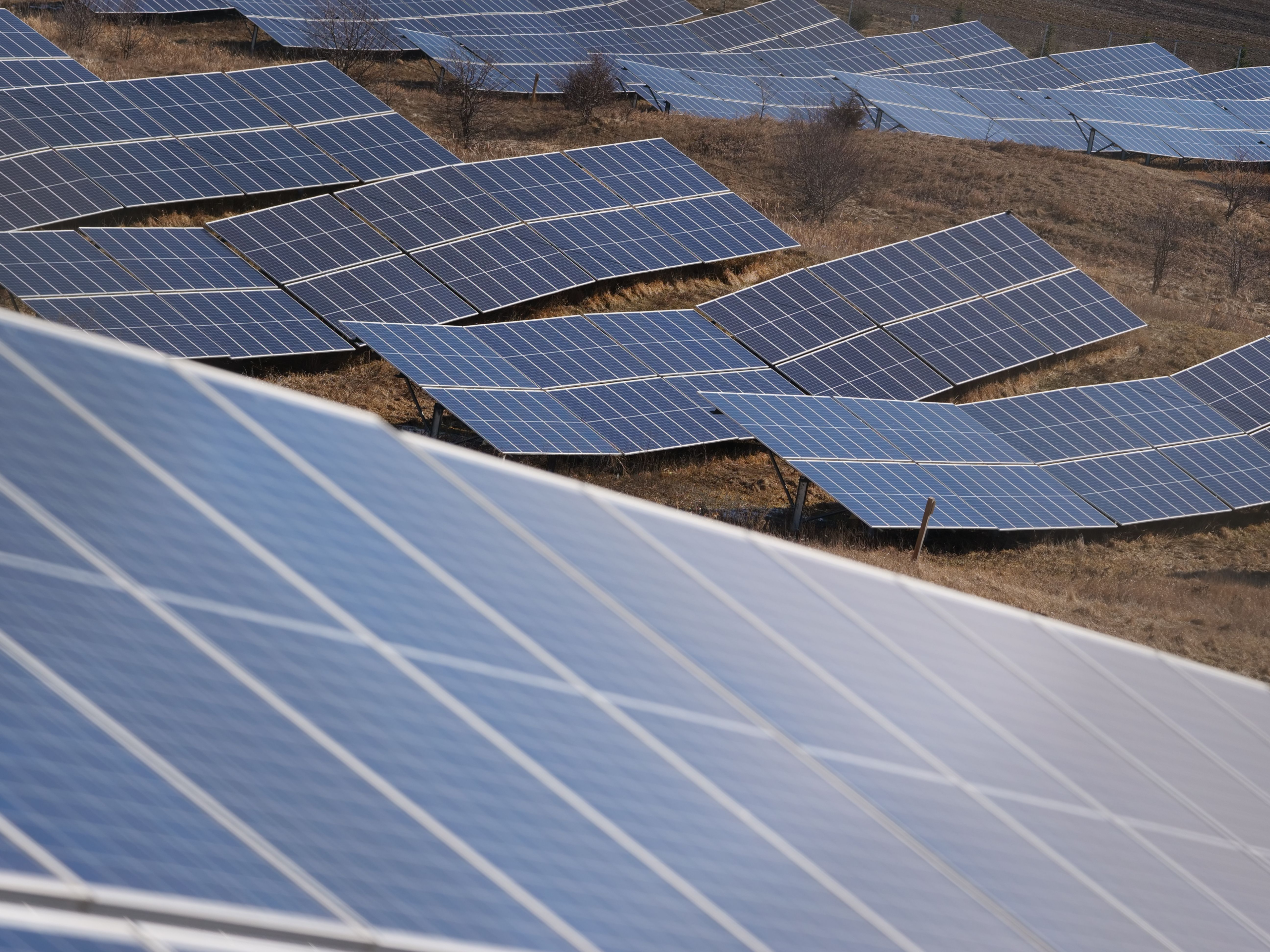
At a photovoltaic installation, mechanical completion involves more than mounting solar modules. The generating equipment must be supported by the necessary structures and electrical infrastructure, including cable systems, inverter installations, transformers and the equipment required at the grid connection.
Cold commissioning provides an opportunity to examine the installed systems before the relevant circuits are energised. The procedures may involve confirming installation records, inspecting terminations, checking equipment identification and verifying the settings and functionality of controls and protective devices.
The exact tests depend on the equipment, electrical configuration and commissioning plan. Although Alstra has confirmed that the projects have entered this phase, it has not published a complete record of individual test results, and their successful completion should not be assumed.
Electrical verification is particularly important for large photovoltaic installations because the generating modules, inverters and associated equipment must operate together. The solar modules produce direct current, which is collected through the DC electrical system before being converted to alternating current for the public electricity network.
Inverters control that conversion while remaining within their permitted voltage, current and operating limits. The complete installation must also satisfy the conditions governing power quality, protection and the exchange of electricity with the connected network.
Where appropriate, plant-level controllers coordinate multiple inverters to maintain the permitted export level and respond to operating instructions. Depending on the connection requirements, these arrangements may include regulation of active power, management of reactive power and communication with network control systems.
Cold commissioning helps establish that the equipment and control arrangements are configured correctly before live tests begin. Subsequent energisation allows the installation to be assessed under electrical operating conditions, but it does not automatically mean that all performance testing has finished.
Wingfield’s three-site configuration adds a degree of geographical separation to the construction and commissioning programme. Although the sites are grouped under one development, their electrical infrastructure and local installation requirements must be coordinated across different physical locations.
Alstra has not published the individual connection ratings or complete electrical topology of the three Wingfield sites. It would therefore be premature to conclude that they share a single point of connection or operate through one common control system.
At Gaslight, the proximity of an existing biogas facility provides a different site context. However, the location alone does not establish a shared electrical connection, combined dispatch arrangement or hybrid operating system between the photovoltaic development and the neighbouring biogas plant.
Those distinctions affect how the 101MW portfolio should be reported. The combined capacity describes the two solar developments, while the physical electrical arrangements and operating limitations of each site will determine how that capacity is eventually delivered to the network.
The developments were acquired by Commerz Real as part of its renewable energy investment programme. Earlier project information contained lower preliminary capacity estimates, but Alstra’s current construction reporting identifies 54MW at Wingfield and 47MW at Gaslight.
These updated figures establish the capacity basis for the current commissioning programme. The available information does not explain the engineering changes behind the difference from earlier estimates, so a particular equipment redesign or capacity expansion cannot be attributed to the developer without further confirmation.
Commissioning schedules can diverge even when multiple generating projects reach mechanical completion during the same period. Equipment availability, completion of individual electrical systems, network readiness and the outcome of testing can determine when each installation is permitted to begin energisation.
The separation between Wingfield’s November target and Gaslight’s February target illustrates that mechanical completion across a portfolio does not establish a single operational start date. Each project must progress through the remaining checks and electrical procedures relevant to its own connection and equipment.
Although energisation is an important step, commercial operation may require additional acceptance tests and confirmation that the installation meets its contractual and regulatory requirements. Output produced during testing should not automatically be treated as evidence that the plant has entered normal commercial service.
The October project update places the two developments in the transition from physical construction to electrical verification. Mechanical installation was completed during September, and the current activity concerns cold commissioning ahead of the separate planned energisation milestones.
Confirmation of Wingfield’s energisation and subsequent progress at Gaslight will provide the next measurable evidence of delivery. Until those steps are completed and operational acceptance is established, the 101MW portfolio remains under commissioning rather than fully operational.