IN Brief:
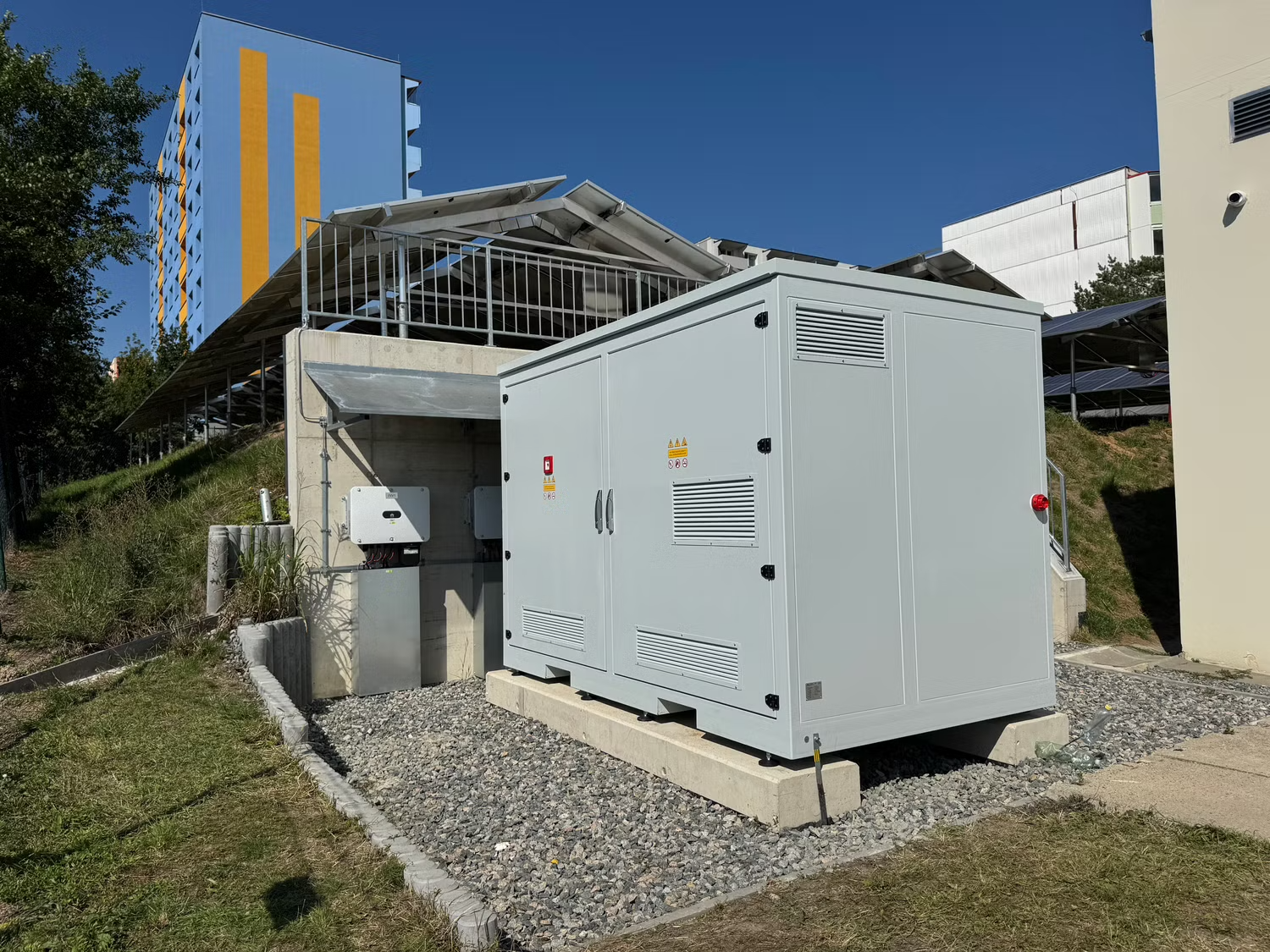
- Enovos Deutschland has started construction of a 6MW/30MWh battery installation at Karlsbrunn in Saarland.
- Schoenergie is responsible for turnkey delivery, while Creos Deutschland will provide the grid connection.
- The €7.2m project has a nominal five-hour discharge duration and is scheduled for commissioning in March 2027.
Enovos Deutschland has begun construction of a battery energy storage installation in Karlsbrunn, Saarland, with a planned electrical output of 6MW and nominal energy capacity of 30MWh. The company is investing approximately €7.2m in the project, which is scheduled to enter service in March 2027.
The development, located in the municipality of Großrosseln, marks Enovos Deutschland’s first battery storage installation. Construction began with a groundbreaking event on 20 October, establishing the start of physical delivery for an asset designed to charge from the public electricity network and return stored electricity when required.
Enovos Renewables and WES Green are responsible for project development and management, while Schoenergie has been appointed to deliver the installation on a turnkey basis. Creos Deutschland will provide the grid connection, making coordination between equipment installation and network integration an important part of the construction programme.
The battery’s 6MW power rating and 30MWh energy capacity produce a nominal discharge duration of five hours at full rated output. That relationship distinguishes the installation from many batteries configured for approximately two hours of discharge, although actual usable duration will depend on the equipment’s operating limits and available state of charge.
Electrical energy capacity describes the amount of energy a battery can store, whereas power capacity determines how quickly that energy can be transferred. A larger energy reservoir allows output to be maintained for longer, but does not permit the installation to exceed its stated maximum power rating.
The five-hour configuration could allow Karlsbrunn to sustain electricity delivery across a longer interval than a battery with the same power rating but a smaller energy capacity. Its actual commercial function will depend on the services selected by the operator, together with the technical characteristics of the completed installation.
Enovos has not disclosed the battery chemistry, cell manufacturer, inverter supplier or intended electricity market participation. The project’s expected revenue streams and control strategy therefore remain unconfirmed, and no particular balancing service should be assumed to have been contracted or technically qualified.
The basic arrangement of a grid-connected battery requires energy stored as direct current to be converted into alternating current before it can be exported to the public electricity network. Power conversion equipment performs that function while controlling the electrical exchange between the storage system and its connection point.
During charging, the equipment transfers electricity from the AC network into the battery’s DC system. During discharge, the direction of energy transfer is reversed, subject to the power conversion equipment’s rating and the operating limits imposed by the battery management system.
Battery management equipment monitors electrical and thermal conditions, including cell voltages, currents and temperatures. Its controls help maintain operation within the limits established for the selected storage technology, while protective systems are required to respond to abnormal operating conditions.
The equipment must also account for energy losses during charging, storage and discharge. The amount of electricity returned to the network over a complete cycle is lower than the amount initially imported, with the difference affected by conversion losses, auxiliary consumption and battery operating conditions.
Those losses are relevant when assessing the practical value of storage over a five-hour discharge period. The announced 30MWh rating should not automatically be interpreted as the quantity of electricity delivered at the grid connection under all operating conditions, particularly where the usable energy capacity and auxiliary requirements remain unspecified.
Creos Deutschland’s grid connection work will establish the electrical interface between the battery installation and the surrounding network. That interface must provide the required import and export capability while meeting the network operator’s requirements for voltage, protection and safe operation.
The connection voltage and detailed electrical arrangement have not been published. Depending on the final configuration, the installation will require appropriately rated transformers, switchgear, protection equipment and monitoring systems to coordinate with the public network.
A battery that can import and export 6MW represents a controllable electrical load as well as a source of power. Its charging operation must therefore be considered alongside other network demand, while discharge must remain within the permitted export capacity and applicable network operating limits.
These considerations influence how storage can be used to accommodate variations in electricity generation and demand. During periods when electricity production is relatively abundant, a battery may be charged for later discharge, provided network conditions and the operator’s commercial arrangements permit that activity.
When electricity demand increases or renewable generation declines, the stored energy may be discharged within the installation’s technical limits. The battery cannot create additional electricity, but can change the timing of electricity delivery, allowing energy imported during one period to be returned during another.
The commercial result depends on the difference between the value of electricity when the battery charges and discharges, together with energy losses, operating expenses and any payments available for eligible services. Enovos has not quantified expected operating revenue, round-trip efficiency or the frequency of charging cycles.
Storage may also support electricity system balancing where equipment can meet the relevant performance and qualification requirements. Such applications can require rapid control responses, dependable telemetry and coordination with the network operator or balancing market participant.
The installation’s five-hour energy-to-power ratio does not independently establish its suitability for any particular market product. Response speed, control capability, contractual obligations and available energy are separate characteristics that must be considered when selecting an operating strategy.
Enovos has identified the development as one of Saarland’s larger battery storage investments. The regional context includes an expanding interest in using storage alongside existing generation and electricity network infrastructure, although the company has not provided a quantified assessment of Karlsbrunn’s future contribution to network flexibility.
The company has also indicated that further battery projects are planned, including another development associated with Völklingen. Detailed capacities, suppliers and connection requirements for those installations have not been established in the information accompanying the Karlsbrunn construction start.
For the current project, Schoenergie’s construction programme must progress alongside the grid connection works being undertaken by Creos. Equipment installation, electrical integration, inspection and testing will all be required before the planned operating date.
Commissioning will need to establish that the battery, power conversion equipment, protection systems and network connection operate within their specified requirements. Until that process is completed, the announced 6MW/30MWh capacity remains a planned installation rather than storage already available for electricity dispatch.
Enovos is targeting March 2027 for commissioning. The next verifiable milestones will be completion of physical installation, readiness of the electrical connection and successful testing of the battery system under its intended operating conditions.