IN Brief:
- Eurelectric says clean sources accounted for 72% of EU electricity generation in 2026.
- Utility scale storage stood at 64GW in 2025 against a stated 200GW requirement for 2030.
- The industry body is calling for faster delivery of grids, storage, permitting, and demand flexibility.
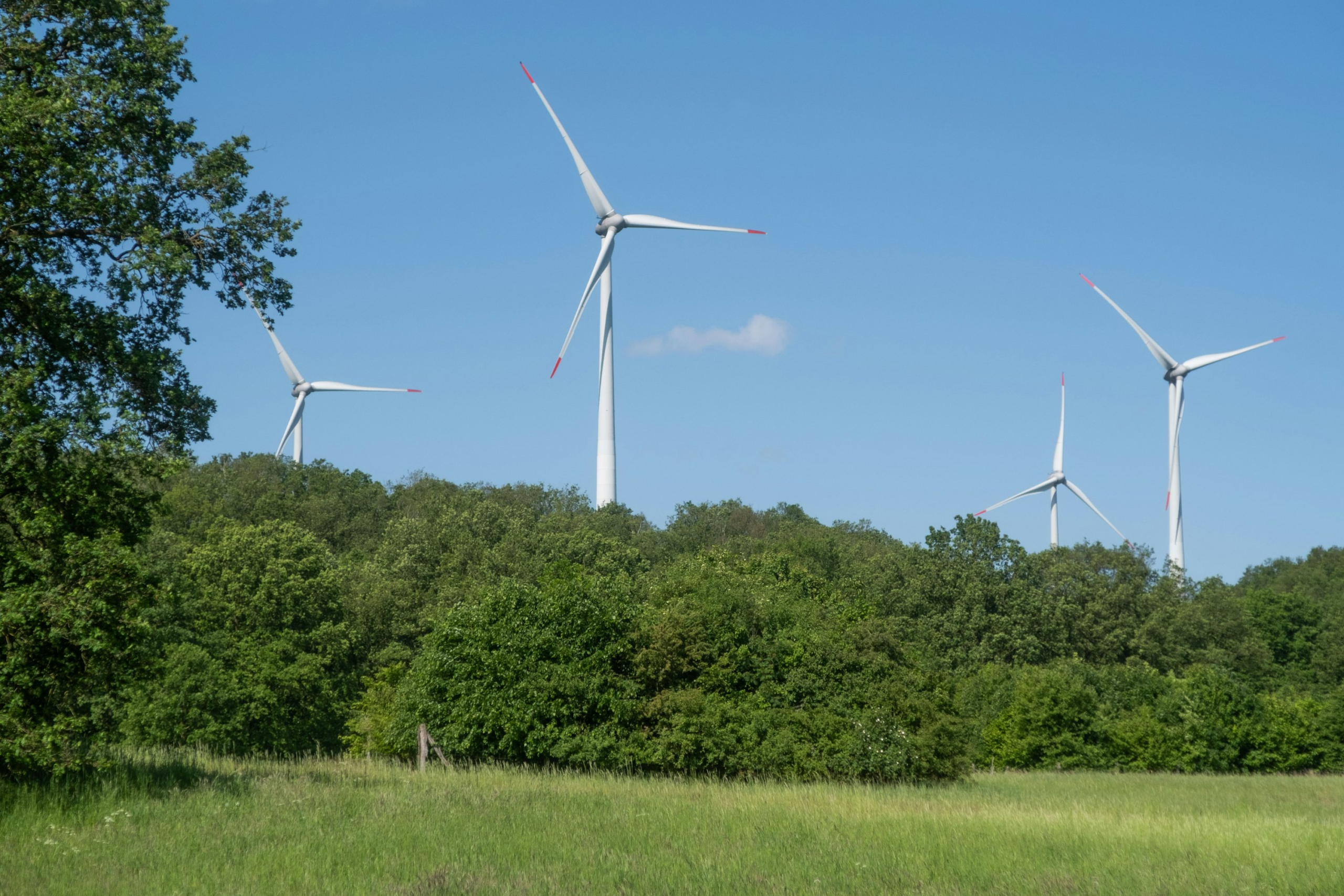
Eurelectric has warned that storage, grids and flexible electricity demand are not expanding quickly enough to keep pace with Europe’s increasingly clean generation mix, leaving system operators with a growing challenge in matching electricity supply with demand.
The organisation’s Power Barometer 2026 says clean sources accounted for 72% of European Union electricity generation during the year. Eurelectric argues that this higher share reduced part of the power system’s exposure to imported fossil fuel volatility, but it also increased the importance of infrastructure able to move electricity between different times and locations.
Between February and August, EU electricity prices increased by 22.8%, while gas prices rose by 88.4%, according to the report. Eurelectric also points to an earlier period between February and May when gas prices increased by 41% but average electricity prices fell by 7%, arguing that wholesale power prices are no longer tracking gas as closely as they did when fossil generation supplied a larger share of the system.
The separation was not complete. A record hot summer coincided with higher gas prices, weaker Nordic hydropower and lower nuclear availability caused by high river temperatures, low water levels and planned maintenance. Electricity prices subsequently increased, illustrating how several simultaneous constraints can still tighten the system even when the generation mix contains more renewable and low carbon power.
The operational problem is increasingly concentrated around timing. Solar generation can produce substantial quantities of electricity during daylight hours but very little after sunset, while wind and hydro output vary with weather and water conditions. A system can therefore move from surplus generation to much tighter conditions within the same day.
Batteries can shift part of that production between periods, while interconnectors, flexible demand and dispatchable generation provide other sources of system flexibility. Transmission and distribution investment is also required because electricity has limited value if it cannot move through a constrained network to the areas where demand exists.
Eurelectric says utility scale storage capacity stood at 64GW in 2025. A further 78GW of projects is planned, but the organisation compares that pipeline with what it describes as a 200GW requirement by 2030. Even if every planned project entered service, capacity would remain below the level the industry body considers necessary.
The report points to Bulgaria as an example of how storage may affect electricity market behaviour. Eurelectric says the country has developed 5.4GW of battery capacity and that wholesale prices moved from 21% above the EU average in 2024 to 8.3% above it in 2026.
That comparison does not establish storage as the sole cause of the change. Generation availability, cross-border imports, demand, fuel costs and network conditions all influence wholesale electricity prices, but the figures illustrate why additional flexible capacity is receiving greater attention as renewable output increases.
Earlier Eurelectric data showed the same issue within individual days. During May and June 2026, average EU electricity prices before 09:00 and after 18:00 reached €122/MWh, compared with approximately €56/MWh during daylight hours. Gas fired generation increased more sharply outside periods of strong solar output.
Price differences of that scale create a commercial signal for storage and flexible demand, but market incentives do not automatically produce operating assets. Battery projects still require planning approval, connection capacity, finance and a revenue structure strong enough to support investment, while demand response depends on metering, controls and customers willing to alter consumption.
Network delivery remains another constraint. Storage can relieve some local congestion and shift energy between hours, but it cannot permanently replace transmission reinforcement where large generating centres and major demand are separated geographically. Equally, building additional circuits does not resolve every short duration imbalance between generation and consumption.
Eurelectric is calling for faster permitting of grids, storage and clean generation, together with stronger incentives for flexibility and an investment framework that preserves effective market signals. The organisation represents electricity companies, so its policy recommendations reflect an industry position, but the underlying system challenge is visible in increasingly different prices between periods of renewable surplus and scarcity.
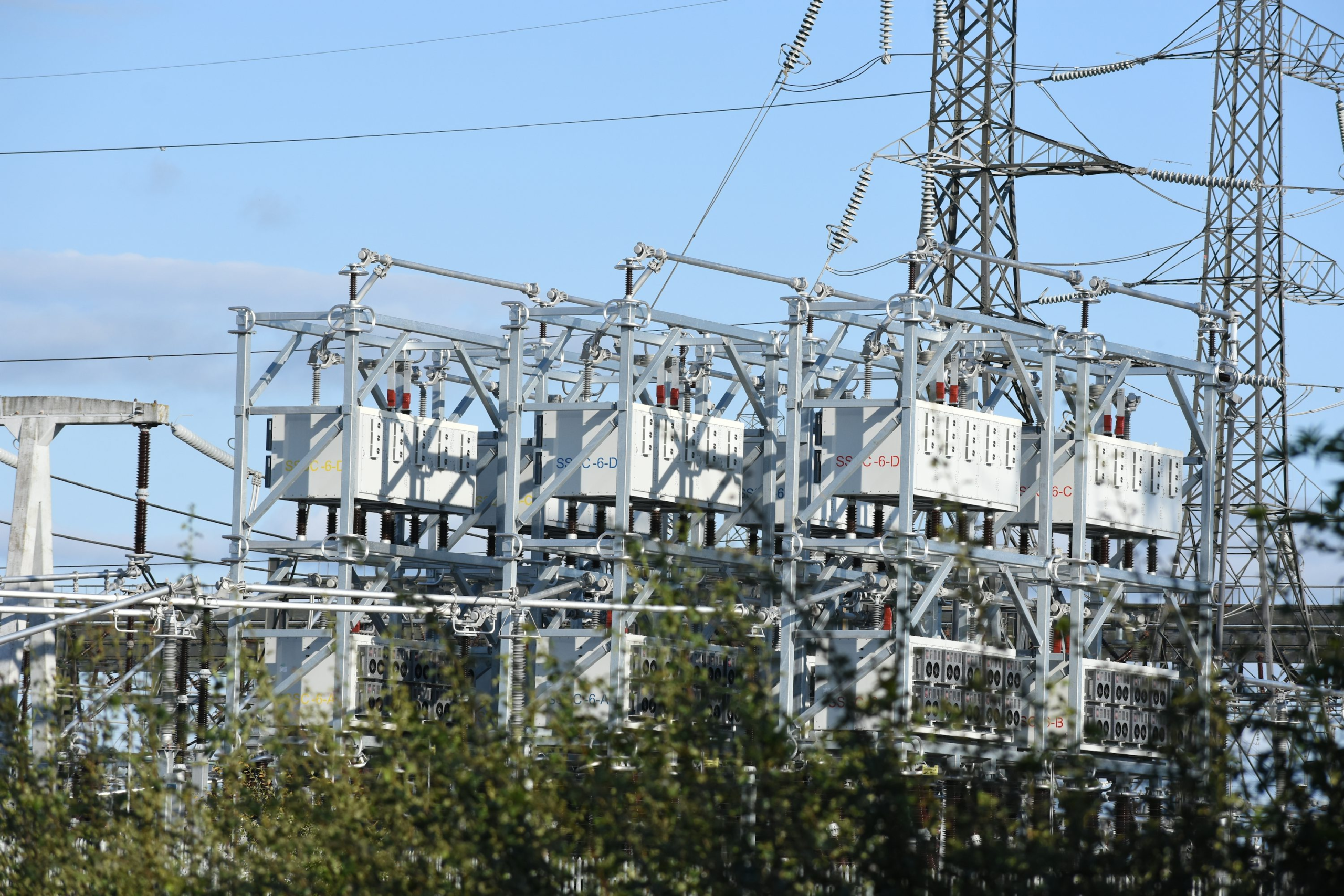
The engineering required to close that gap extends beyond battery cells and additional transmission capacity. Storage needs substations, power conversion systems, protection and control; flexible loads require communications and metering; and network operators need sufficient visibility to understand how rapidly responding assets will affect local circuits.
Clean generation has reduced one source of exposure by lowering dependence on fuel whose price can move rapidly in international markets. The next constraint is increasingly the ability of the electricity system to accommodate that generation efficiently once it has been produced.
Power Barometer 2026 therefore places flexibility alongside generation as a central part of Europe’s power investment requirement. Announced batteries, grid programmes and demand response schemes will only alter system performance once they are connected, commissioned and available to operate through the hours when electricity is scarce or networks are constrained.