IN Brief:
- Ofgem says its existing regulatory framework already allows networks to consider resilience, growth and wider long-term consumer benefits.
- Respondents identified credible demand visibility and clearer treatment of investment risk and cost recovery as persistent barriers.
- The regulator plans procurement guidance and new reporting work, with consultation on the guidance expected during autumn 2026.
Ofgem will develop new procurement guidance for Britain’s electricity network companies after industry responses identified investment certainty and long-term demand visibility as central constraints on expansion of the grid supply chain.
The regulator published non-confidential responses on 16 September to its call for evidence on growing Great Britain’s electricity network supply chains. The work examined whether regulatory policy, reporting or procurement changes could strengthen the manufacturing and service capacity needed for the next period of transmission and distribution investment.
Respondents broadly considered Ofgem’s existing framework flexible enough to allow network companies to take account of growth, resilience and wider long-term consumer benefits when supported by appropriate evidence. Feedback did not point towards mandatory local-content targets or a more prescriptive procurement regime.
The more persistent concerns centred on whether suppliers have enough confidence to invest in additional production. Manufacturers considering new capacity need credible visibility of future orders, while network companies need clearer treatment of cost recovery and risk when procurement decisions extend beyond the lowest immediate purchase price.
Ofgem also found support for greater transparency around supply-chain expenditure. Respondents generally favoured proportionate reporting when used to understand procurement patterns rather than as a target that compels companies to source a fixed proportion of equipment from a particular location.
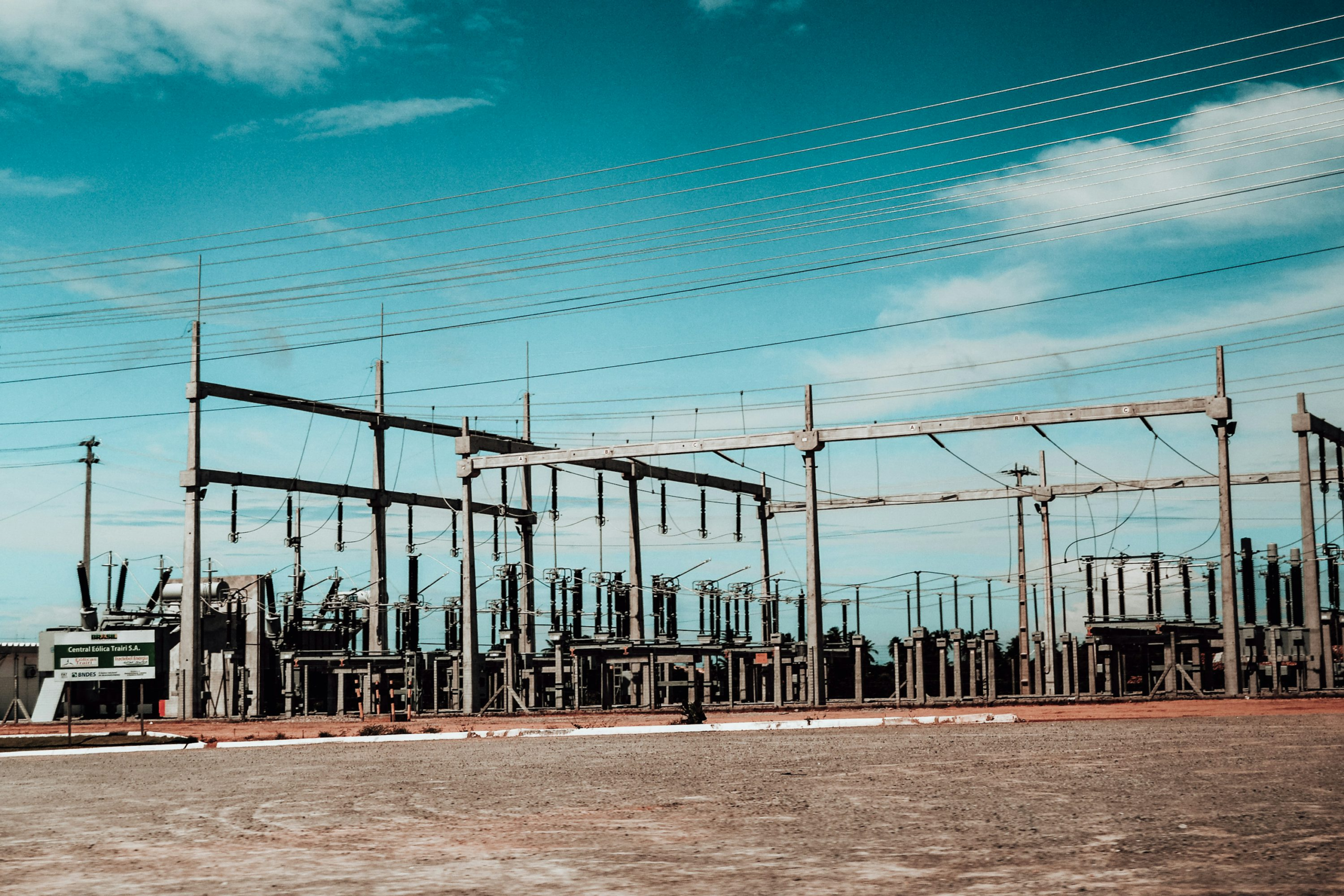
The distinction matters because Britain’s grid expansion will require substantial volumes of transformers, cables, conductors, switchgear, protection equipment, steelwork and engineering services. Manufacturers may have to invest in new production lines, factories and skilled labour several years before the resulting equipment reaches an energised network asset.
Those investments are difficult to justify when forward demand is fragmented or changes sharply between regulatory periods. A factory built to address a temporary procurement peak can become an expensive stranded asset if orders fall away once a group of major projects is completed.
Network operators face the opposite constraint. They are regulated to deliver infrastructure efficiently and protect consumers from unnecessary expenditure, meaning higher procurement costs justified by resilience or industrial capacity need a credible basis if they are to be recovered through the regulatory framework.
Ofgem’s proposed guidance is intended to clarify how those wider factors can be considered. The regulator plans to explain the issues it will take into account when companies assess growth, resilience and other long-term consumer benefits, together with the evidence expected to support procurement decisions.
The regulator does not intend to alter existing cost-assessment and funding processes through the guidance. The aim is instead to give companies greater confidence over how supply-chain considerations can be addressed within the current framework without creating an unrestricted route for higher expenditure.
Respondents also warned that poorly designed intervention could produce higher costs, distort purchasing decisions, weaken competition and disadvantage smaller suppliers. A rigid localisation requirement could, for example, reduce the pool of technically qualified bidders even where an international supplier offered shorter delivery or stronger manufacturing capacity.
Supply-chain resilience is broader than domestic content alone. Network owners can reduce risk through multiple qualified suppliers, standardised equipment, earlier procurement, longer-term frameworks and greater visibility of future requirements, while still sourcing from more than one country or manufacturing region.
Ofgem has already introduced mechanisms elsewhere in transmission regulation to address lengthy equipment lead times. Its Advanced Procurement Mechanism allows transmission licensees to seek earlier funding for supply-chain capacity where delays in booking equipment or related services could threaten infrastructure delivery.
The September response takes a different approach by concentrating on procurement practice and transparency across the wider network supply chain. Ofgem says companies are already working with domestic suppliers, but further growth depends on creating enough confidence for manufacturers and service providers to invest ahead of demand.
Standardised reporting could make those patterns easier to measure. Data on procurement expenditure would allow the regulator and industry to see where supply-chain capacity is developing, where dependence remains concentrated and whether network investment is producing opportunities for additional manufacturing and engineering capability.
Ofgem plans to begin engagement on the design of the reporting requirements, including what information should be collected and how it should be used. The regulator has emphasised that reporting should remain proportionate rather than becoming an end in itself.
The next policy marker will be the Electricity Networks Sector Growth Plan, expected in October. Ofgem has been working with the Department for Energy Security and Net Zero, the Energy Networks Association, BEAMA and industry members on actions linked to the network investment programme.
Consultation on the procurement guidance is expected during autumn 2026. The resulting framework will have to reconcile two pressures that increasingly sit on the same project schedule: controlling costs for consumers while giving manufacturers enough visibility to invest in the equipment capacity needed to build the network on time.