IN Brief:
- The Brandenburg and Thuringia projects combine 147MW of solar generation with 79MW/237MWh of battery storage.
- Zelestra will build, own and operate the assets while Salzgitter controls battery dispatch and purchases the solar output.
- The agreement will provide renewable electricity and short-duration flexibility for Salzgitter's increasingly electricity-intensive steelmaking operations.
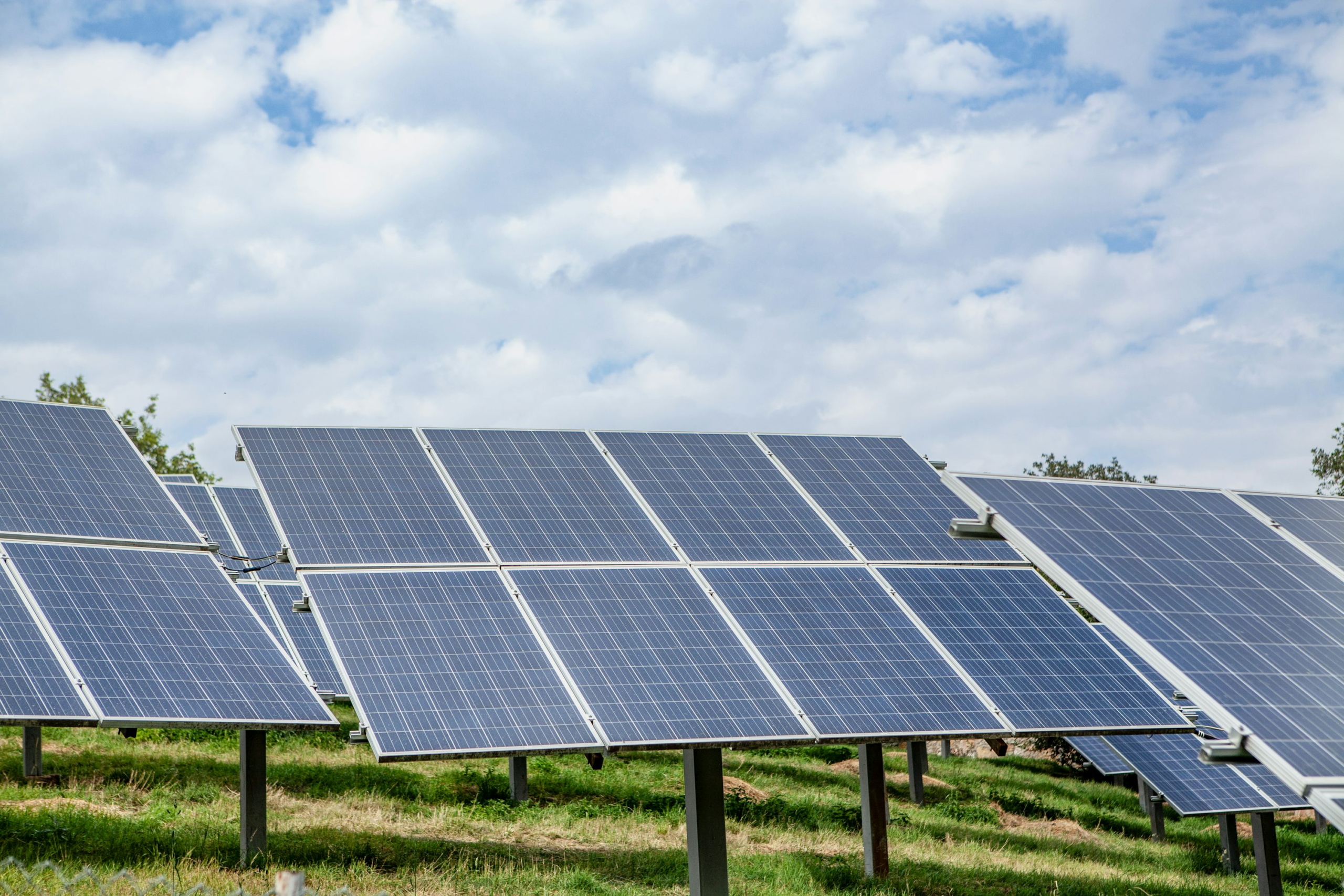
Salzgitter Flachstahl has signed a long-term hybrid power agreement with Zelestra covering 147MW of solar generation and 79MW/237MWh of battery storage in Germany.
Zelestra will build, own and operate two projects in Brandenburg and Thuringia, each combining photovoltaic generation with directly connected batteries. Salzgitter will purchase the solar electricity and control battery dispatch, giving the steelmaker a mechanism for shifting part of the renewable output towards periods when its own demand is higher.
The two projects are expected to produce 158GWh of solar electricity annually. Their batteries will be charged only from surplus electricity generated by the associated solar plants, maintaining a direct relationship between the stored energy and the renewable generation covered by the agreement.
Zelestra will retain responsibility for the physical assets, while Salzgitter will determine operation of the storage systems within the agreed structure. The arrangement gives the industrial customer more influence over the timing of delivery than a conventional solar power purchase agreement whose output follows daylight and weather conditions.
The batteries provide 237MWh of energy capacity from 79MW of power, equivalent to three hours of storage at full rated output. That is sufficient to shift part of the solar production into later periods but does not turn the plants into continuous power sources.
The distinction is significant for steelmaking, where electricity demand extends beyond solar-generating hours. Salzgitter’s production assets operate across nights, winter periods and periods of low irradiance, leaving the hybrid projects as one component of a broader power and hydrogen supply portfolio.
That portfolio is becoming more important as the SALCOS programme changes the energy balance of the company’s steelmaking operations. Salzgitter is replacing elements of conventional coal-based production with direct reduction, electric arc furnaces and hydrogen, transferring a larger share of the process energy requirement into electricity.
A 100MW electrolyser is already being developed at the Salzgitter steelworks and is designed to produce approximately 9,000 tonnes of green hydrogen per year. The first SALCOS direct reduction plant has capacity for more than two million tonnes of direct reduced iron annually.
Salzgitter has also contracted external hydrogen supply, including a separate agreement with EWE for 10,000 tonnes of green hydrogen a year. The new solar and storage projects address another part of the same transition by increasing contracted renewable electricity and giving the company some control over when that power is delivered.
Battery dispatch can improve the match between solar production and industrial load without removing the need for grid supply. Charging during periods of surplus generation and discharging later can reduce the concentration of output around the middle of the day and move some electricity into hours when production remains high but solar output is declining.
That operating flexibility can also reduce exposure to periods when large amounts of solar generation depress wholesale prices. The commercial value will depend on the detailed contractual structure and Salzgitter’s operating profile, but the physical capability is defined by the battery’s 79MW power rating and 237MWh energy capacity.
The model divides commercial and technical responsibility in an unusual way. Zelestra remains responsible for owning and operating the projects, while Salzgitter controls storage dispatch. Clear operating rules will therefore be needed around charging availability, battery state of charge, maintenance, cycling and the interface between commercial instructions and plant constraints.
The batteries will also have finite cycling and degradation characteristics. Dispatch decisions must balance the value of moving energy between periods against the long-term condition of the cells, while Zelestra’s operation and maintenance regime has to preserve availability across the contracted term.
For Zelestra, the agreement extends a German pipeline exceeding 2GW across solar, wind, storage and hybrid development. The company brought its first German project, the 27.5MWdc Klevenow solar plant in Mecklenburg-Vorpommern, into operation during 2026.
The Salzgitter projects move the company’s German activity towards larger hybrid assets tied directly to industrial demand. They also illustrate how storage is increasingly being incorporated into renewable procurement at the project level rather than added later as an independent merchant asset.
Hybridisation does not remove intermittency, but it gives an industrial buyer a larger set of operating choices than an unmodified solar profile. For processes moving towards electricity and electrolytic hydrogen, the timing of renewable supply becomes increasingly important alongside the annual volume purchased.
The next stage is physical delivery of the Brandenburg and Thuringia plants. Once operational, their 158GWh of annual solar generation will feed into Salzgitter’s broader energy portfolio, while the 79MW/237MWh battery systems will determine how much of that production can be shifted to follow the evolving load profile of lower-carbon steelmaking.