IN Brief:
- The Fos-sur-Mer substation will provide approximately 1.15GW of connection capacity from RTE's 400kV transmission system.
- Around 720MW is intended for electrolysers, with electricity distributed around the industrial site at 33kV.
- Detailed engineering and long-lead procurement will begin ahead of the wider project's final investment decision.
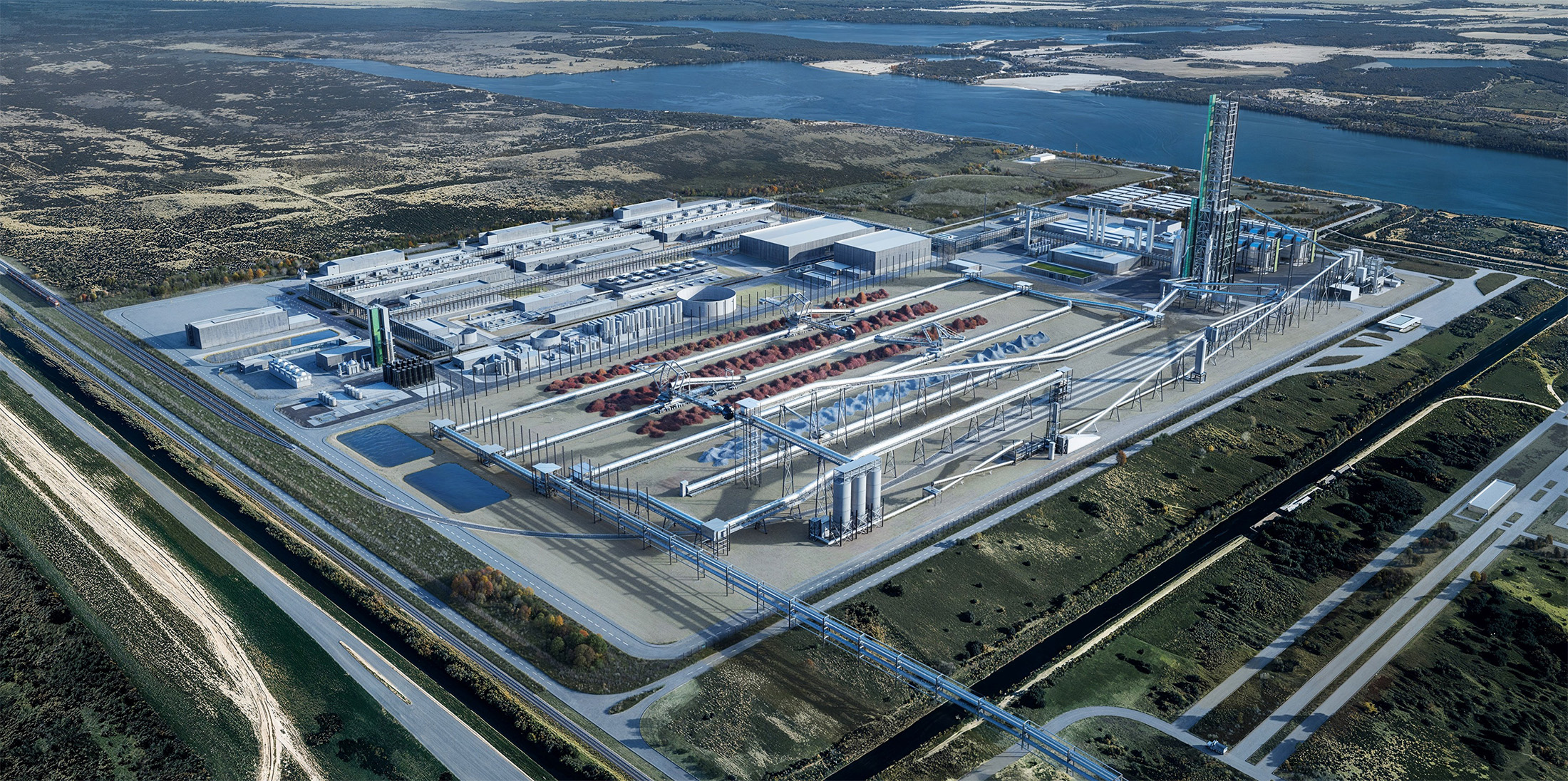
GravitHy has awarded CAP INGELEC an engineering, procurement and construction contract for the 1.15GW electrical substation that will supply its planned low-carbon iron plant at Fos-sur-Mer in southern France.
The installation will connect the industrial site to RTE’s 400kV transmission network and distribute electricity around the plant at 33kV. Approximately 720MW of the available capacity is intended for electrolysers producing renewable and low-carbon hydrogen, with the balance serving the direct reduction process and other plant loads.
CAP INGELEC’s scope covers engineering, procurement and construction of the complete substation package. Signing the contract allows detailed design to begin and provides a route into long-lead equipment procurement before GravitHy reaches a final investment decision on the wider development.
At approximately 1.15GW, the connection is comparable in scale with major transmission assets rather than a conventional industrial supply. The 33kV internal system must then distribute that power across a process complex built around electrolysis, direct reduction and associated plant, making the electrical network part of the production architecture rather than an auxiliary service.
GravitHy is developing Fos-sur-Mer around hydrogen-based direct reduction. Danieli has been selected for a plant designed to produce up to two million tonnes of hot briquetted iron annually, providing steelmakers with an alternative feedstock to material produced through conventional coal-based blast-furnace routes.
The process shifts a substantial share of the site’s energy requirement onto the electricity system. Large electrolyser loads require continuous high-capacity supply, while the reduction plant, compressors, pumps, cooling systems and material-handling equipment add further electrical demand. A 400kV connection provides the transmission-level intake needed for those loads before power is transformed for distribution across the site.
Designing the grid interface and plant network as one coordinated package will require close control of transformer ratings, switchgear configuration, protection zones, fault levels and operational redundancy. Planned maintenance or an electrical fault can have direct production consequences when hundreds of megawatts of electrolysis capacity depend on the same site network.
The contract also moves procurement of specialist high-voltage equipment closer to the front of the programme. Transformers, switchgear, control equipment and other components can carry lengthy engineering, manufacturing and testing schedules, particularly where equipment has to satisfy both transmission-system requirements and the operating philosophy of a large process plant.
Starting that work before construction of the wider production facility reduces the risk that grid equipment becomes a late constraint. Industrial electrification projects increasingly compete with transmission operators, renewable developments and data-centre projects for some of the same transformer, switchgear and engineering capacity.
The Fos-sur-Mer project also demonstrates the physical grid consequence of replacing fossil energy with hydrogen produced from electricity. Removing coal from the reduction process does not remove the underlying energy requirement; it transfers a large part of it into electrical infrastructure, generation procurement and the network connection needed to keep the electrolysers operating.
That shift puts connection capacity alongside process technology as a core project parameter. The hydrogen plant can only deliver at its intended scale if the transmission connection, substations, internal distribution system and production equipment are commissioned in a compatible sequence.
GravitHy has placed construction of the wider development between 2028 and 2030, with first HBI production targeted for 2031. Permit applications have already been submitted and Danieli’s direct reduction package selected, meaning the electrical EPC award joins a growing set of defined technical packages rather than an early-stage concept.
CAP INGELEC will now develop the detailed design and procurement programme while GravitHy continues the financing and permitting process. The next electrical milestones will centre on specification and ordering of long-lead equipment, followed by coordination of the 400kV RTE interface with the 33kV network that will ultimately serve the plant.
Fos-sur-Mer’s 1.15GW connection gives the project an electrical footprint normally associated with major generation or network infrastructure. Converting that capacity into reliable industrial supply will require the substation programme to advance in step with the electrolysers and reduction plant through the remainder of development.