IN Brief:
- Tonn Nua is expected to accommodate up to 900MW of offshore wind approximately 12km off County Waterford.
- EirGrid is assessing offshore substations, export cable corridors, landfalls, underground routes and two onshore grid connections.
- Consultation runs until 8 December before preferred options are selected and the transmission infrastructure progresses towards planning.
EirGrid has opened consultation on emerging transmission options for connecting the planned Tonn Nua offshore wind area to Ireland’s electricity grid.
The Step 4a consultation covers offshore substation zones, export cable corridors, coastal landfalls, underground onshore cable routes and grid connection areas. It opened on 15 September and will remain open until 8 December 2026 while EirGrid gathers technical, environmental and community feedback on the options under consideration.
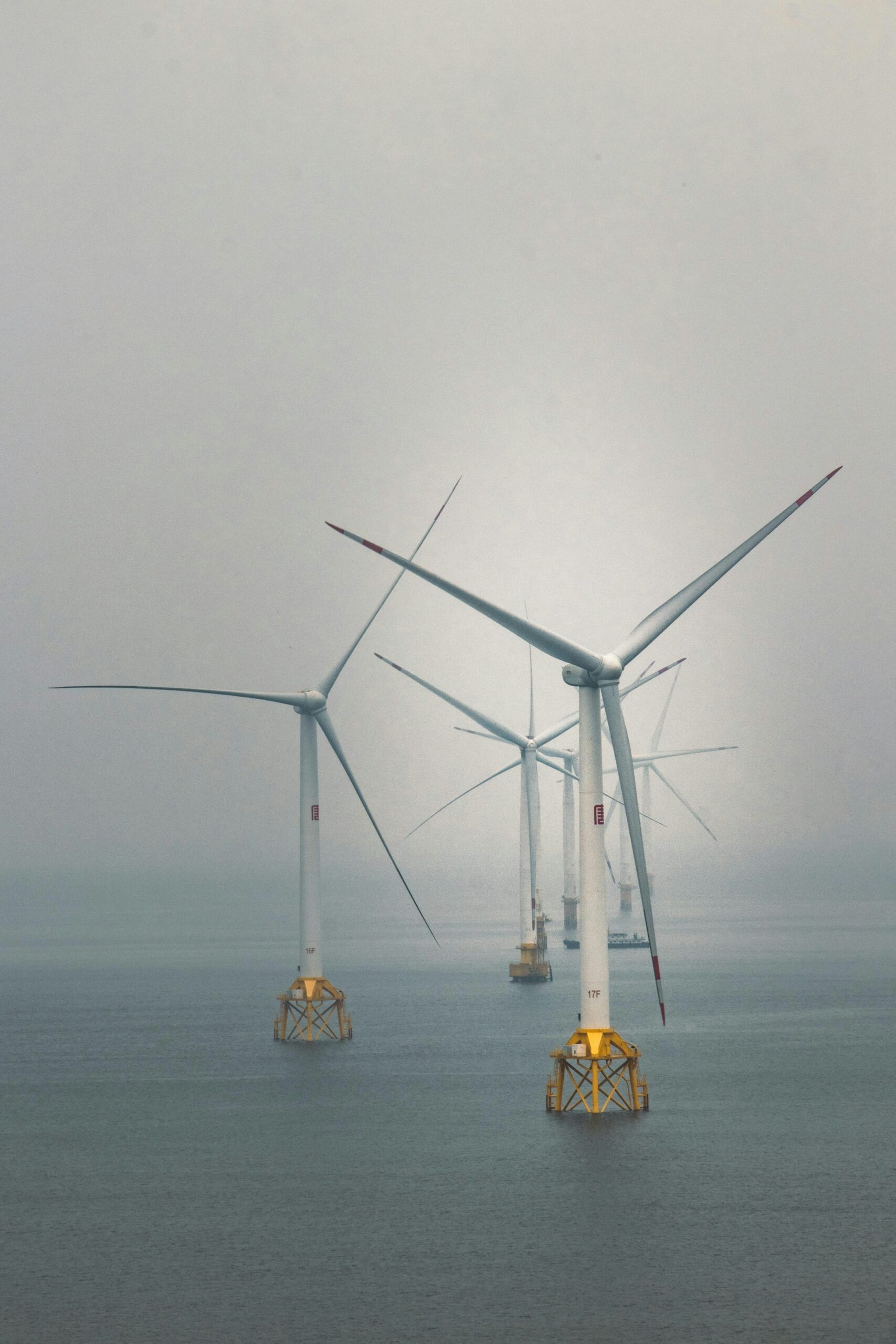
Tonn Nua is the first offshore renewable energy area being developed under Ireland’s plan-led Designated Maritime Area Plan process. The zone covers approximately 306km² around 12km off County Waterford and is expected to accommodate up to 900MW of offshore wind generation.
Bringing that output into the national system will require connections at two separate locations. EirGrid established during an earlier stage of development that the existing network does not have enough capacity at one point to receive the full output, placing the dual-connection requirement at the centre of the transmission design.
The result is a project whose route cannot be determined by looking at the offshore cable in isolation. Substation positions, marine corridors, landfalls, underground cable routes and existing network capacity all affect one another, and a technically attractive option offshore may create a less practical route once the connection reaches land.
Offshore substations will collect and transform electricity from the wind farm before export through high-voltage submarine cables. The route then has to cross the coastal interface and continue underground towards suitable points on the existing transmission system, requiring electrical design to remain aligned with marine engineering, environmental constraints and construction access.
EirGrid’s current options build on consultation carried out between November 2024 and January 2025. Feedback from that stage, together with technical and environmental assessment, has been used to narrow the possible landfalls and grid connection areas into the emerging options now being considered.
The electrical configuration will have to accommodate sustained export from a large offshore generating area while allowing faults and maintenance to be managed without unnecessarily removing the complete project from service. Protection zones, cable ratings, substation bus arrangements, reactive power requirements, communications and remote control will therefore sit alongside the physical route decisions.
Two separate grid connections add further coordination requirements. Power from the offshore development will ultimately need to be divided across the network while remaining part of a coherent generating and transmission system, with protection and control arrangements designed around both connection points.
The project is also being developed against a constrained European offshore supply chain. High-voltage export cables, large transformers, offshore switchgear, platforms and specialist installation vessels are required by projects in several markets, making early definition of technical scope increasingly important to procurement and delivery.
Route development and equipment planning consequently have to overlap. Waiting until every consenting decision is complete before defining high-voltage requirements could expose the programme to manufacturing lead times that run for several years, particularly for bespoke offshore electrical equipment.
Tonn Nua also illustrates Ireland’s division of responsibilities between offshore generation and the network used to connect it. EirGrid is progressing the transmission infrastructure, while the generating project follows its own development and consenting route.
Those workstreams remain technically interdependent. Offshore substation capacity must match the generating plant, export cable systems must accommodate the intended output, and connection dates must align closely enough for completed generation equipment and transmission assets to enter service without prolonged delay.
System integration becomes more demanding as offshore capacity increases. A 900MW development represents a material block of generation for the Irish system, meaning its connection has implications for network flows, system strength, operational reserves and the ability to manage large changes in output when weather conditions alter.
The transmission design also has to operate within an electricity system carrying increasing volumes of variable renewable generation. EirGrid has progressively raised the instantaneous level of non-synchronous generation that can be accommodated on the Irish system, making network reinforcement, operational flexibility and control performance increasingly important alongside new generating capacity.
Step 4a remains a route-selection stage rather than a final design. Consultation responses will be assessed with technical evidence before EirGrid identifies the best performing options and advances the infrastructure towards planning.
The immediate deadline is 8 December, when the consultation closes. Beyond that point, Tonn Nua’s progress will depend on turning a set of offshore and onshore route options into a coordinated transmission design capable of moving up to 900MW from the south coast into a network that cannot accommodate the full development through a single connection.