IN Brief:
- Team UAV has completed a drone inspection programme capturing high resolution imagery of 500 pole mounted transformers for National Grid Electricity Distribution.
- The survey covered Cornwall, Wales and the Midlands, with imagery and associated asset metadata organised in a geographic information system.
- Softwire will use the dataset to develop and test computer vision models for visible deterioration, with the initial innovation phase expected to conclude by the end of 2026.
Team UAV has completed a drone inspection programme covering 500 pole mounted transformers for National Grid Electricity Distribution (NGED), collecting high resolution imagery that will support the development of artificial intelligence tools for electricity network asset assessment.
The inspections covered locations across Cornwall, Wales and the Midlands, where the distribution network operator maintains equipment serving local electricity consumers. The project is funded through the Network Innovation Allowance and is examining whether drone imagery and computer vision can improve the identification of visible deterioration, including corrosion.
Team UAV was responsible for developing the inspection method and collecting the photographic data. Technology consultancy Softwire is developing the computer vision models and a prototype web application intended to analyse the imagery and present condition information that NGED may be able to use in future asset management activities.
Completion of the drone survey marks the end of the data collection phase rather than the introduction of an operational AI inspection system. The collected photographs now provide material for model development, testing and evaluation, with the initial phase of the wider innovation project expected to conclude by the end of 2026.
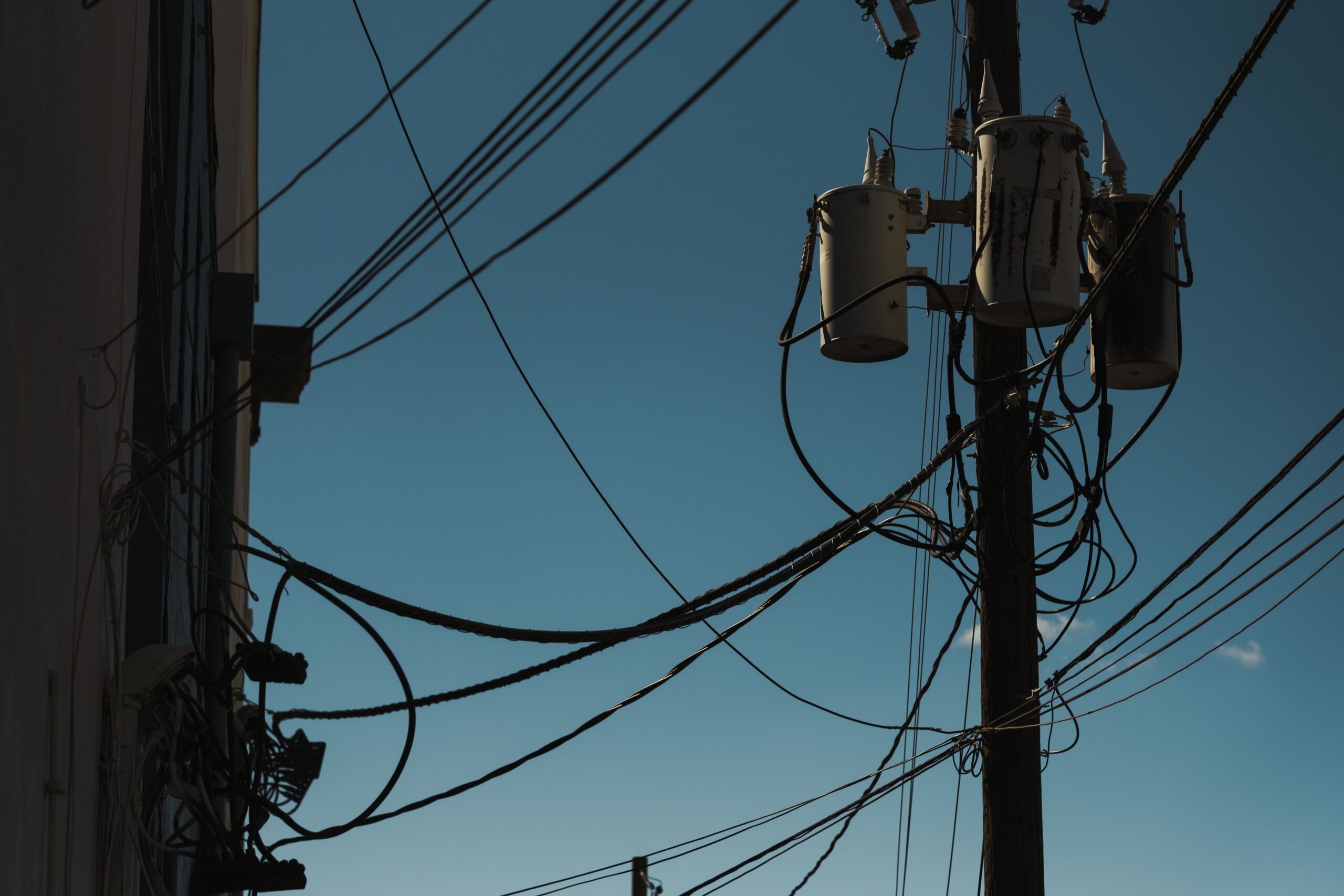
Pole mounted transformers form part of local electricity distribution infrastructure, reducing voltage for supply to nearby customers. They are particularly important in rural areas, where individual assets may serve relatively dispersed communities and can be located above ground in places that are difficult to inspect.
The physical condition of these transformers and their associated external components affects maintenance planning. Corrosion, damage and other visible deterioration can indicate that an asset requires closer assessment, although photographs alone cannot establish the complete electrical or mechanical condition of the equipment.
Visual inspection is one element of a broader approach to determining asset condition. Internal transformer defects, insulation performance and electrical connection problems may require diagnostic tests or direct examination that cannot be performed through exterior drone photography.
Aerial imagery therefore offers a potential means of improving the collection of visible condition evidence rather than replacing all established inspection and testing procedures. Its usefulness will depend on whether the resulting photographs are sufficiently clear, consistent and accurately associated with the correct network assets.
Before the principal inspection programme began, Team UAV conducted technical trials to establish suitable drone equipment, camera positions and image capture methods. The work concentrated on producing repeatable photographs that could be used effectively in subsequent computer vision analysis.
Consistency is important because the appearance of a transformer can change substantially between images even when its physical condition has not changed. Viewing angle, lighting, background, camera distance and the visibility of individual components can all affect the information presented to an automated recognition system.
Corrosion may appear differently depending on the surface involved and the conditions under which a photograph is taken. Shadows, staining and normal variations in equipment finish may also produce visual features that need to be distinguished from deterioration requiring maintenance attention.
Collecting images through a defined inspection method can reduce some of these variations. It does not eliminate them, but it gives the model development process a more consistent starting point than a collection of photographs captured without common inspection requirements.
Team UAV planned the surveys using NGED’s asset information and selected transformer locations across the network area. Survey teams encountered restrictions on access, vegetation obstructing views and cases where expected infrastructure could not be located as anticipated.
Where the planned inspection could not be completed, alternative suitable assets were identified or the survey arrangements were adjusted. The work therefore involved both aerial data capture and the practical coordination needed to inspect a large number of geographically dispersed electricity assets.
The company also developed a geographic information system database and associated delivery process to organise the results. Images uploaded from the field were linked to individual transformer locations and stored with relevant survey information and metadata.
Accurate association between photographs and physical assets is essential if automated analysis is to support practical maintenance decisions. A model may identify a visible defect in an image, but the finding is of limited operational value unless it can be linked reliably to the transformer that requires further examination.
Asset identifiers, geographic coordinates and inspection records can provide that connection between photographic evidence and the equipment maintained by the network operator. They also establish a basis for comparing observations made at different times, provided subsequent inspections use compatible identification and data management procedures.
Softwire will use the completed dataset to develop models capable of identifying characteristics associated with visible deterioration. The intended prototype application will provide an interface through which the resulting assessments can be examined and potentially incorporated into wider asset condition reporting.
The models will need to distinguish between equipment in acceptable condition and assets showing signs that merit further investigation. Their performance will depend on the quality of the images, the accuracy of reference condition information and the range of examples available during development and testing.
A model that identifies too many apparent defects could direct maintenance resources towards equipment that does not require intervention. Conversely, missed deterioration could create false confidence in an asset’s condition if automated findings were used without suitable verification.
These different errors need to be considered when determining how the technology should contribute to maintenance decisions. Detection accuracy alone may not capture every operational requirement, particularly where different types of deterioration have different consequences for reliability and safety.
The project partners have not reported a validated detection rate, false alarm rate or reduction in maintenance expenditure. No evidence has yet been presented that the prototype can reliably identify the full range of defects encountered across NGED’s transformer fleet.
Differences between transformer designs introduce a further consideration. External fittings, enclosures, operating age and installation arrangements may vary between sites, requiring the recognition system to distinguish normal equipment characteristics from features that indicate deterioration.
Geographic diversity can expose the development process to a range of equipment environments and inspection conditions. However, a survey covering multiple regions does not by itself establish that the dataset contains enough confirmed examples of every relevant defect for reliable automated assessment.
NGED intends to examine whether aerial imagery and AI can generate more consistent information for asset health reporting and future investment decisions. The company has identified potential applications in monitoring equipment condition and identifying where further maintenance assessment may be required.
The innovation project remains exploratory. Any subsequent operational deployment would need to demonstrate that the models produce dependable results, that findings can be matched to the correct assets and that the workflow is compatible with established network inspection and maintenance procedures.
NGED owns and operates local electricity distribution infrastructure across the Midlands, South West England and South Wales. It is a separate network business from National Grid Electricity Transmission, and the pole mounted transformers inspected in this programme should not be confused with the large transformers used at transmission substations.
Inspection of equipment near live overhead electrical infrastructure also requires suitable operational controls. Team UAV’s completion of the programme confirms the delivery of the photographic surveys, but the available information does not identify individual drone separation distances, flight authorisations or safety procedures that could be applied as general operating guidance.
The company’s original project title refers to more than 500 drone inspections, while the detailed account identifies imagery of 500 transformer assets. These figures describe the scope in different terms and should not be treated as proof that every inspection flight corresponded to a separate transformer.
With the survey phase complete, Softwire will move forward with model development and testing using the supplied imagery. The next measurable result will concern the accuracy and operational usefulness of the proposed condition assessments, rather than the number of additional photographs collected.
The project has established a photographic and asset data resource spanning several regions of NGED’s distribution network. Its contribution to maintenance planning will depend on whether subsequent testing demonstrates that computer vision can interpret that evidence reliably and present findings suitable for engineering review.