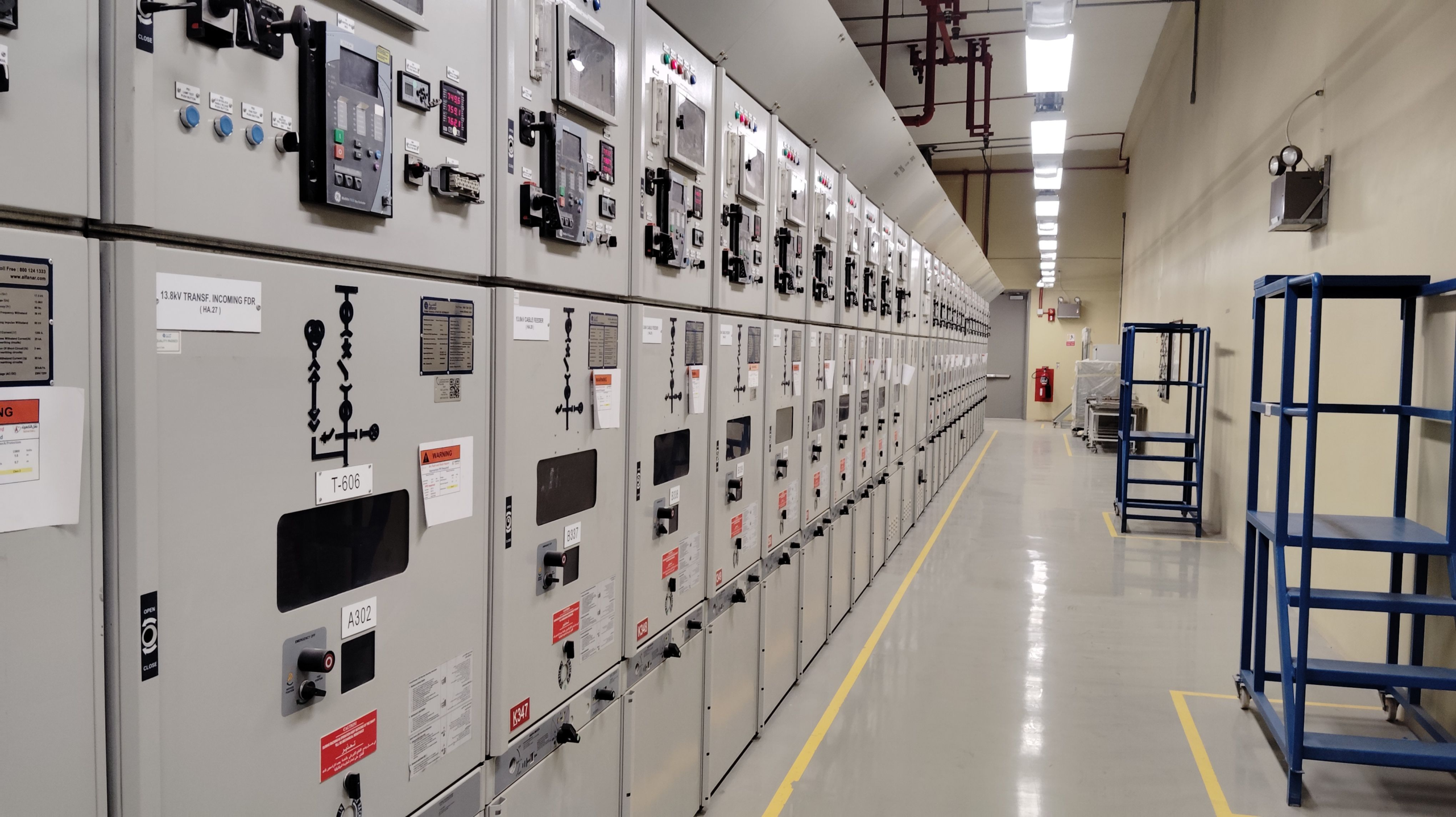
IN Brief:
- adi Compliance 360 has launched adiAssure360 to connect electrical inspection, testing, reporting and corrective work within one management platform.
- Personalised dashboards show testing progress, priority faults, quotations, remedial responsibilities and evidence that corrective work has been completed.
- Future compliance requirements are included in the same management view, supported by adi's separate inspection, testing and remedial engineering services.
adi Compliance 360 has launched adiAssure360, an electrical compliance management platform that brings inspection and testing records, remedial actions, evidence of completed work and future requirements into a consolidated view. The service is aimed at facilities and engineering teams responsible for maintaining electrical infrastructure across individual sites and larger operational estates.
The new platform has been developed by the adi Group division to address gaps between receiving electrical inspection findings and confirming that identified defects have been resolved. Testing, reporting, repair planning and compliance records are often held in different systems or managed by different people, making it difficult to establish the status of work across a business.
adiAssure360 provides personalised dashboards showing testing progress, priority faults and outstanding actions. According to the company’s product information, the software also tracks the progression of findings towards quotations, allocation of responsibility, remedial activity and evidence of completion, while retaining visibility of work that will be required in future.
An electrical inspection establishes findings at a particular point in time, but those findings may still require further investigation, corrective work or testing before an issue can be regarded as closed. The new platform is intended to connect that initial assessment with the subsequent engineering response.
When an electrical inspection identifies several conditions with different levels of urgency, competent personnel must assess the findings and determine suitable actions. The organisation responsible for the installation then needs to distinguish outstanding tasks from those completed, without treating every observation as requiring an identical response.
Inspection reports can contain observations about wiring, protective devices, distribution equipment and other parts of an electrical installation. Their role is to record the findings of the examination and testing undertaken, whereas subsequent maintenance records document the action taken in response. Neither record automatically establishes the contents or quality of the other.
Where remedial work is necessary, a separate sequence of activities may follow the original inspection. The work must be specified, authorised and undertaken by suitable personnel, and the resulting evidence must be retained against the correct asset or installation. Without a consistent link between these stages, a business can retain a record of an identified problem while lacking a reliable account of whether the corrective work has been completed.
Within adiAssure360, the reported status of testing and defects sits alongside quotations, responsibility for remedial work and documentation of closure. The platform connects those records in a management process, but its stated function is to organise and present information rather than to carry out the underlying electrical assessment itself.
Ashley Sweet, head of sales at adi Compliance 360, said the division frequently encounters businesses that do not have a clear picture of their installations, completed work or current compliance position. He described the aim of adiAssure360 as being to “close the loop between testing and completing remedial work”, particularly where responsibilities are divided between several locations.
Electrical compliance often sits alongside building services, contractor management and other maintenance responsibilities, making it difficult for one individual to maintain oversight of each outstanding requirement. Repairs can also have to be coordinated around production schedules and restrictions on site access, increasing the importance of accurate task records.
Across a portfolio of facilities, individual sites may operate separate inspection programmes, use different contractors and maintain electrical equipment of varying ages and configurations. Records can arrive in different formats, so the usefulness of a central view depends on accurate information being entered and associated with the correct locations and assets.
A priority fault identified during testing might lead to a quotation, an instruction for corrective work and a subsequent record of the repair. Linking these steps provides a clearer history than storing the inspection report and completion evidence in unrelated locations, although the adequacy of the work must still be assessed and any required verification undertaken.
The software also includes forward planning information, allowing forthcoming compliance requirements to be considered alongside unresolved actions. Inspection intervals and maintenance activities depend on factors including the type of electrical installation, its operating environment, use, condition and applicable regulatory or insurance requirements.
The Electricity at Work Regulations and relevant electrical standards provide part of the wider framework for managing installations safely, but a software dashboard does not itself certify an organisation’s compliance. The responsible business must still establish the appropriate inspection regime, act on relevant findings and retain suitable evidence that necessary work has been carried out.
adi Compliance 360 supports that work through a wider engineering service covering electrical inspection, testing, technical review and remedial repairs. The division also offers diagnostic assessment while equipment is energised, where appropriate procedures and conditions allow, alongside conventional inspection methods.
Testing under operating conditions can reveal electrical characteristics that are not fully represented by a static visual inspection. adi identifies power quality, phase balance and other diagnostic measures within its separate engineering services. These measurements are made through suitable testing procedures and equipment, not by the adiAssure360 management software.
Physical testing and digital record management therefore perform different functions within the combined offering. Engineers establish findings through inspection and measurement, determine suitable corrective actions and carry out the necessary work, while the management platform provides a means of recording progress and making the resulting information available to the responsible team.
The company says the platform is intended for sectors including food and beverage production, automotive manufacturing, facilities management, data centres, distribution, chemicals, oil and gas, and heavy industry. Electrical installations in these environments can support continuous or tightly scheduled operations, increasing the need to coordinate testing and repairs with access restrictions and other maintenance activities.
Where several facilities share a central engineering or compliance function, consistent reporting may also help teams compare outstanding work and determine which actions need to be followed up. The quality of any such assessment still depends on accurate asset records, suitable defect classifications and timely updates when work is completed.
adi has not disclosed the platform’s licensing model, hosting architecture, interfaces with external maintenance systems or the precise way records are imported from existing inspection programmes. Those details cannot be inferred from the availability of personalised dashboards or the company’s description of a connected compliance process.
Nor has adi published independently verified performance figures showing reductions in electrical faults, repair times or maintenance expenditure following deployment of adiAssure360. The potential operational benefit depends on the accuracy of the information held within the platform and the decisions and physical engineering work carried out in response to it.
adiAssure360 extends adi Compliance 360’s testing and remedial services by connecting findings, corrective work and evidence of closure with future inspection requirements. Its contribution to maintenance delivery will depend on how reliably customers maintain the records and complete the physical work they describe, with any measured performance improvement requiring evidence from subsequent use.