IN Brief:
- Subsea Micropiles and Pentland Floating Offshore Wind Farm have signed an agreement covering site investigation, anchor design and offshore installation.
- Acoustic Zoom subsurface imaging and zonal surveys will feed more detailed seabed information into the anchor engineering process.
- The agreement also creates a framework for potential use of Subsea Micropiles technology across Copenhagen Offshore Partners’ wider international portfolio.
Subsea Micropiles has signed an agreement with Pentland Floating Offshore Wind Farm covering site investigation, anchor design and offshore installation, bringing seabed characterisation and foundation engineering into one development programme as the Scottish floating wind project advances.
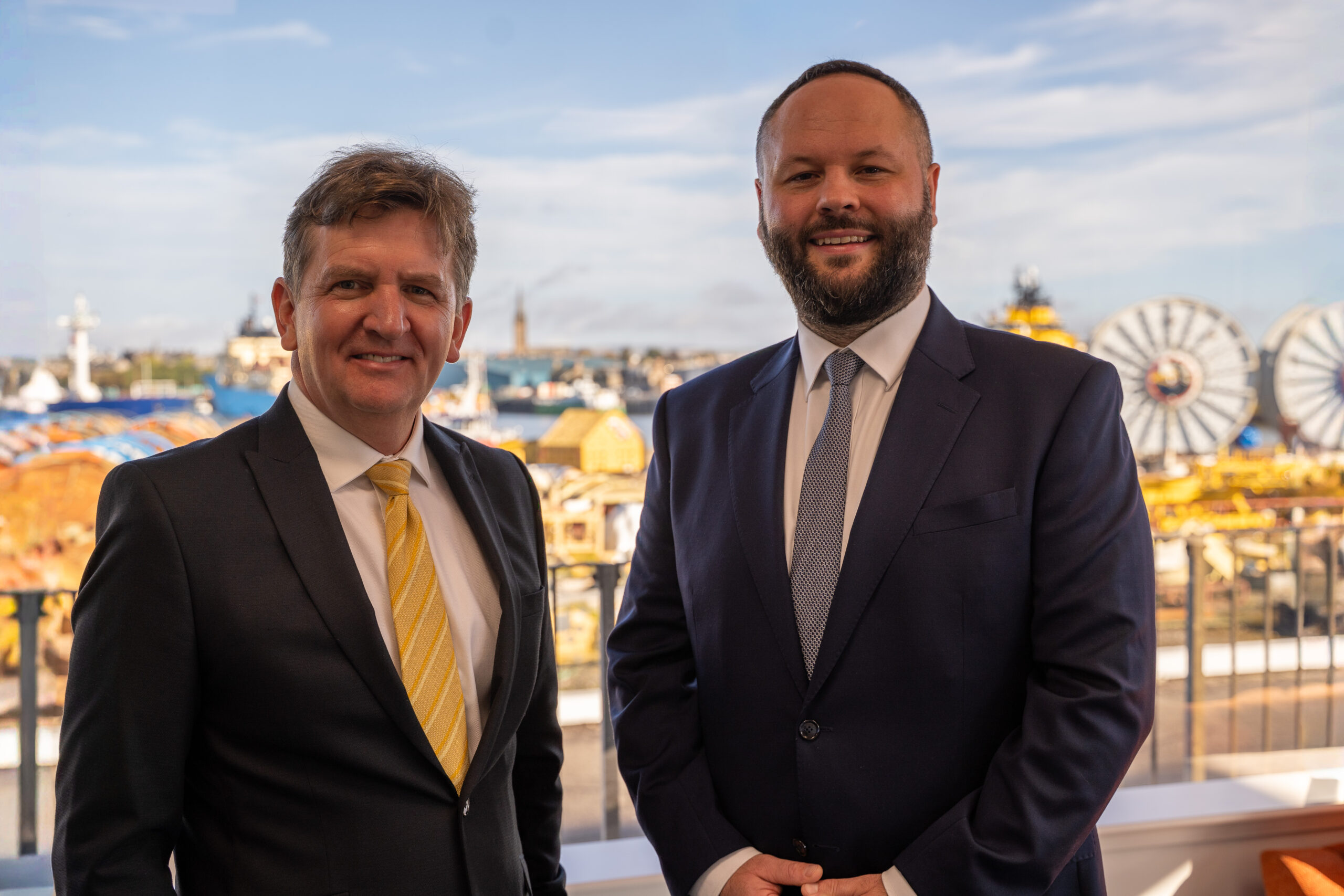
The agreement was signed at Subsea Micropiles’ Montrose facility on 28 September during a visit by First Minister John Swinney and announced on 5 October. Project development for Pentland is being led by Copenhagen Offshore Partners, with the collaboration intended to examine how improved ground information and anchor engineering can reduce installation uncertainty.
Floating turbines transfer wind, wave and current loads into the seabed through mooring lines and anchors rather than a fixed tower foundation. The force at each anchor changes continually as the platform moves, meaning the seabed and anchoring system experience repeated loading throughout the operating life of the turbine.
Subsea Micropiles says advanced cyclical loading analysis will form part of its work for Pentland. Repeated load cycles can alter how soil behaves around an anchor, affecting movement, stiffness and the long term capacity available to restrain the floating platform.
Ground conditions therefore influence the anchor concept from the beginning. Rock, dense granular material and softer sediments can favour different load transfer and installation methods, while local variation across an offshore site can make a single standard foundation design inefficient or unsuitable at every turbine position.
The collaboration will use Subsea Micropiles’ zonal survey approach to build a more detailed picture of those conditions. Its Acoustic Zoom technology provides high resolution volumetric subsurface imaging intended to fill part of the information gap between broad geophysical surveys and individual geotechnical boreholes or probes.
Geophysical work can map structures across a large development area, while geotechnical investigation provides direct engineering measurements at selected points. Additional imaging between those locations can help identify where the geology changes and where more detailed investigation may be required.
Subsea Micropiles intends to carry that information through anchor design and into installation planning. Foundation selection can then account for both calculated platform loads and expected ground conditions instead of treating survey, engineering and installation as largely separate packages.
Installation method is commercially significant because an anchor that carries the required load can still be unattractive if it depends on a specialised vessel with limited availability, excessive offshore time or equipment that cannot be repeated efficiently across a full array.
Commercial floating wind farms multiply that constraint across many turbine positions. Small reductions in installation time or material per anchor can accumulate across an array, while unexpected ground conditions at one location can interrupt a tightly sequenced vessel programme.
Derek Robertson, chief executive of Subsea Micropiles, said reducing cost and managing risk requires consideration of detailed seabed conditions alongside a scalable installation method. Richard Copeland, global head of floating wind at Copenhagen Offshore Partners and project chief executive for Pentland, said projects and supply chain companies will need to work together to develop solutions capable of deployment at scale.
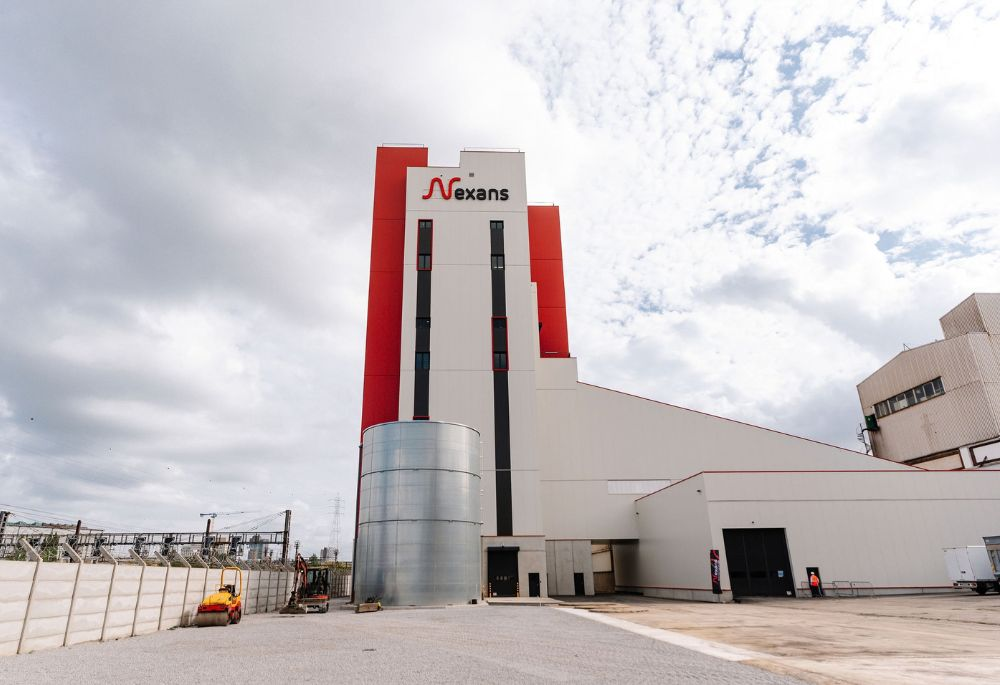
The agreement applies that capability to a named floating wind development shortly after Subsea Micropiles announced a £5m expansion of its Montrose manufacturing and offshore operations. The investment increases production capacity, while the Pentland agreement concerns engineering and installation work for a specific project.
Pentland has selected Stiesdal Offshore’s TetraSub concept for its floating foundation structure. The mooring and anchor system must therefore be engineered around the movement and loads generated by that platform rather than optimised independently of it.
The project is expected to generate enough electricity for almost 70,000 homes annually once constructed, although detailed engineering, procurement and wider commercial decisions remain before offshore installation can begin.
The agreement also provides a framework for potential application of Subsea Micropiles’ capabilities across Copenhagen Offshore Partners’ wider portfolio. No additional projects have been named, so that provision remains a route for possible future work rather than a confirmed order pipeline.
Anchor systems represent only one part of floating wind cost alongside platforms, turbines, cables, ports and installation vessels, but their performance is closely tied to local ground conditions. Pentland’s approach links site investigation, cyclical analysis, foundation design and installation planning early enough for geological uncertainty to be addressed before expensive offshore resources reach the field.