IN Brief:
- The Palmerston Road hub provides 14 ultra rapid bays, including ten rated at 150kW and four at 300kW.
- Hubber developed the urban charging site, while RAW Charging operates the charging infrastructure.
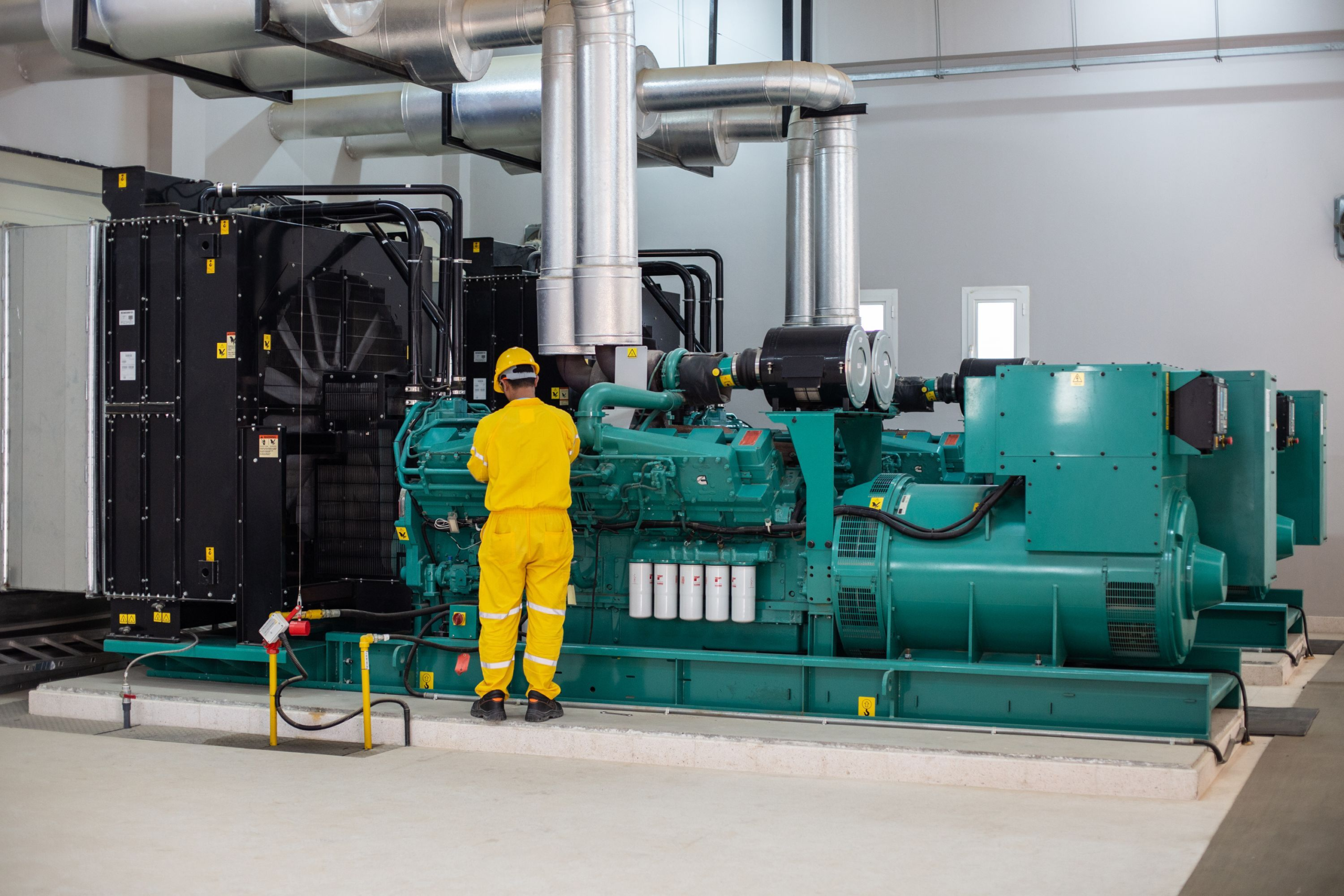
- High power hubs concentrate substantial electrical demand at one connection, requiring grid, HV and LV infrastructure to be designed around simultaneous charging.
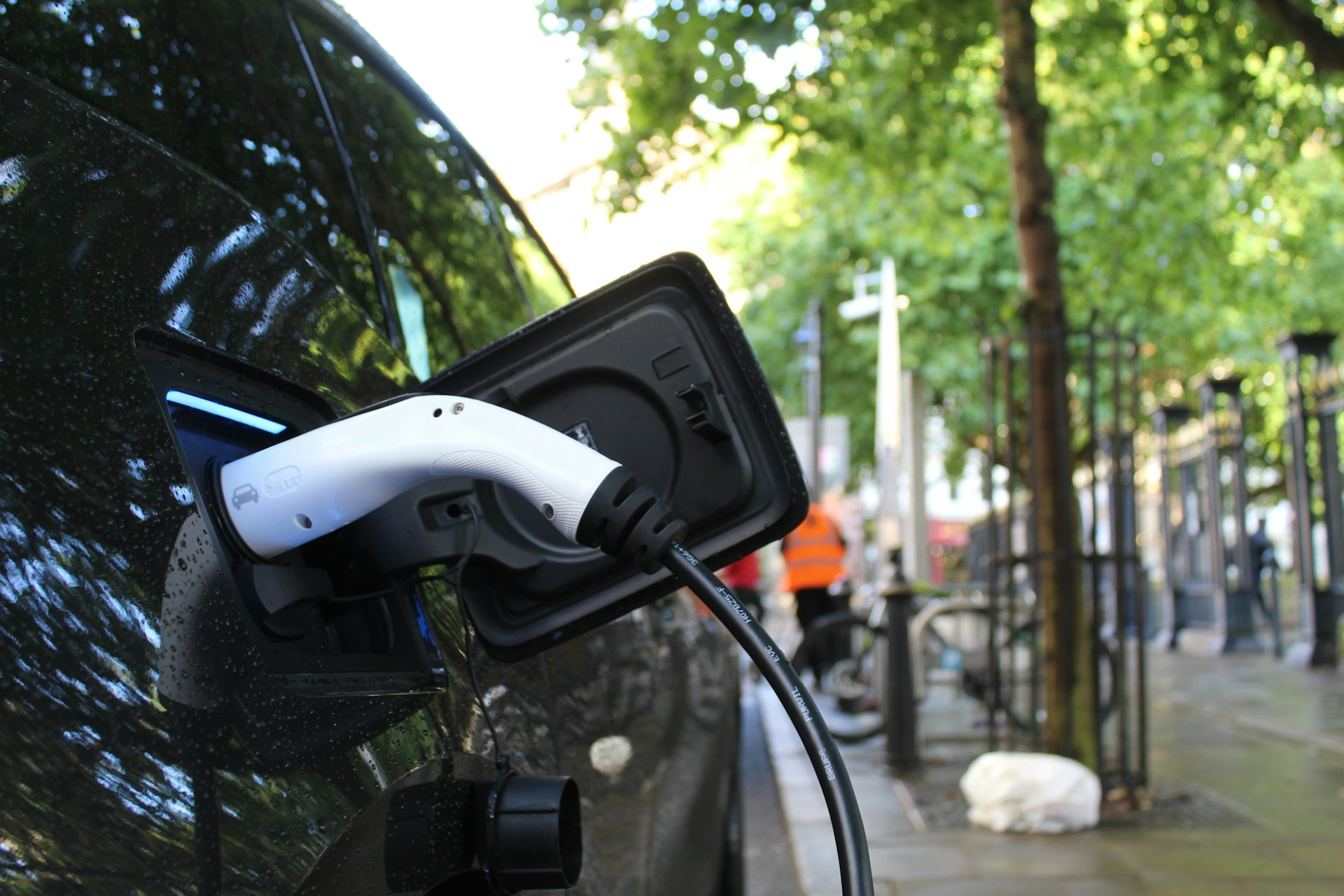
RAW Charging and Hubber have switched on a 14 bay ultra rapid electric vehicle charging hub on Palmerston Road in central Aberdeen, combining ten 150kW bays with four rated at up to 300kW. The purpose built site has been developed around a substantial grid connection intended to support repeated high power charging rather than isolated chargers added to an existing car park.
Two spaces are designated priority bays, while the site supports contactless payment and access through major charging applications. RAW operates the chargers, with Hubber responsible for developing the urban site and its power infrastructure.
Four 300kW chargers represent a theoretical simultaneous load of 1.2MW, while another ten units rated at 150kW could add 1.5MW if every connector delivered maximum output at the same moment. The sum of charger ratings therefore reaches 2.7MW.
Actual demand will normally be lower because charging power varies with vehicle capability, battery state of charge, temperature and site controls. Few vehicles remain at their maximum charging rate throughout a complete session, and an energy management system can constrain aggregate demand if the grid connection is smaller than the combined charger nameplate ratings.
The connection still has to accommodate a large and rapidly changing electrical load. Hubber’s development model extends from land and connection origination through high voltage infrastructure and energisation before operation passes to a charge point operator.
Installing charger cabinets is therefore only the visible final stage. A high power site may require utility applications, network studies, substations, transformers, switchgear, metering, protection and low voltage distribution before any vehicle can draw power.
Urban locations also impose physical constraints because that equipment has to fit around access routes, parking bays, underground services and neighbouring properties. High voltage cables may have to enter a compact site before transformers step the supply down for distribution to the individual chargers.
The chargers themselves convert AC electricity from the site distribution network into controlled DC output for vehicle batteries. Voltage and current change continuously as each vehicle communicates its charging limits, with the car rather than the charger ultimately determining how much power can be accepted.
A vehicle limited to 100kW will not charge at 300kW merely because it occupies a higher rated bay, while cars capable of very high peak rates normally reduce charging power as the battery fills or reaches thermal limits. Mixing 150kW and 300kW units allows the site to serve a wider range of vehicles without equipping every bay to the maximum rating.
Hubber has focused on urban hubs serving private motorists and frequently used commercial vehicles, including taxis and light vans. Drivers without off street parking are more dependent on public charging because overnight home charging is unavailable to them.
The Aberdeen project converts an underused city centre site into dedicated charging infrastructure. Utilisation will depend on local repeat users as well as longer distance traffic, making power availability and turnover at the bays as important commercially as headline charger speed.
Public charging statistics can obscure that electrical distinction. One 300kW charger represents a very different connected load from several 7kW posts, so rapid charging expansion increasingly has to be measured in megawatts of connection demand as well as numbers of installed charge points.
Several multi megawatt hubs in the same urban area can eventually require distribution reinforcement even where individual chargers operate intermittently. Flexible connection agreements or active power management can limit that requirement, but reducing simultaneous power too aggressively can create slower sessions and queues that undermine the purpose of a rapid hub.
RAW has been expanding both destination and high power charging around the UK. Separately, EZO secured €150m in September to support more than 3,000 public charging points across Britain and Ireland, showing how charging infrastructure is increasingly being developed and financed at portfolio scale.
Aberdeen has now moved from connection planning into operation. Four 300kW bays and ten 150kW bays are live on a purpose built site whose electrical infrastructure has been designed around rapid transport charging. Utilisation will determine the commercial outcome; the network now has to accommodate the resulting multi megawatt load as part of ordinary city demand.