IN Brief:
- SSEN Distribution and Baringa have developed a cost-benefit framework for Ofgem’s ED3 build-and-flex approach.
- The tool compares conventional reinforcement with flexibility across several operational and connection use cases.
- SSEN has shared the methodology with other network operators to support greater consistency during ED3 planning.
SSEN Distribution has developed a cost-benefit analysis framework intended to help electricity networks decide when to reinforce infrastructure and when to procure flexibility.
Created with consultancy Baringa, the framework supports Ofgem’s emerging “build and flex” approach for the ED3 price-control period, which will govern distribution-network investment from 2028. SSEN has shared the methodology with other network operators through the Energy Networks Association.
Build and flex requires networks to provide capacity ahead of rising demand while continuing to use flexible resources where they can reduce cost, accelerate connections, or manage temporary constraints. The approach allows reinforcement and operational flexibility to be assessed together rather than treated as mutually exclusive choices.
Network-assessment data feed into the framework, which compares reinforcement with operational alternatives across several use cases. These include connecting new generation and demand, allowing earlier connections subject to curtailment, managing planned outages, reducing mobile diesel generation, limiting customer interruptions, improving workforce use, and widening seasonal outage windows.
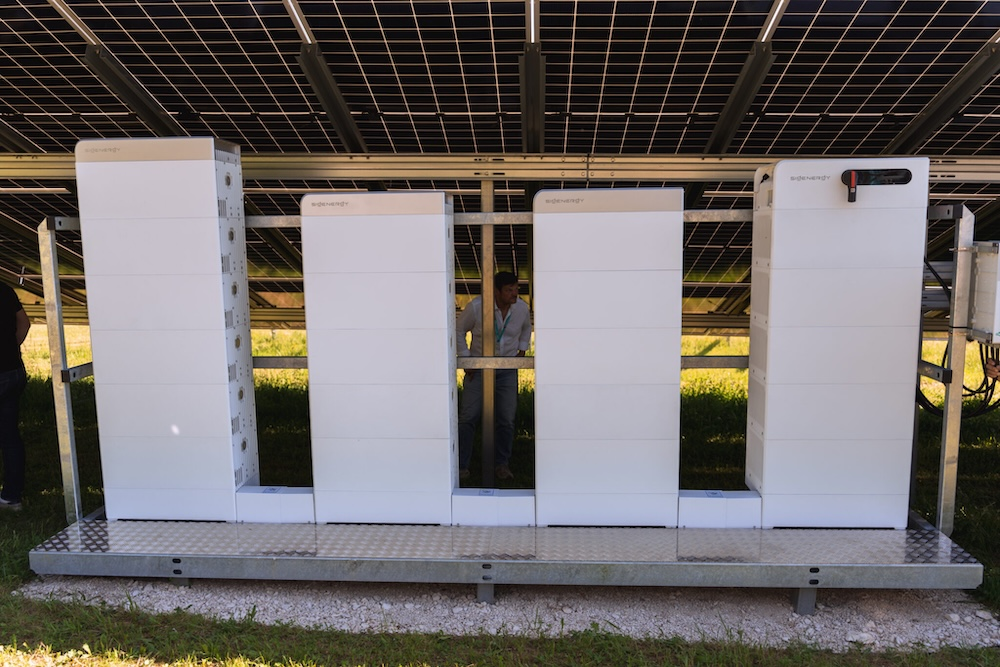
Flexibility may involve generators reducing export, demand customers altering consumption, batteries charging or discharging, or aggregators coordinating several smaller assets. Services can be procured for a defined location and period rather than installed permanently within the regulated network.
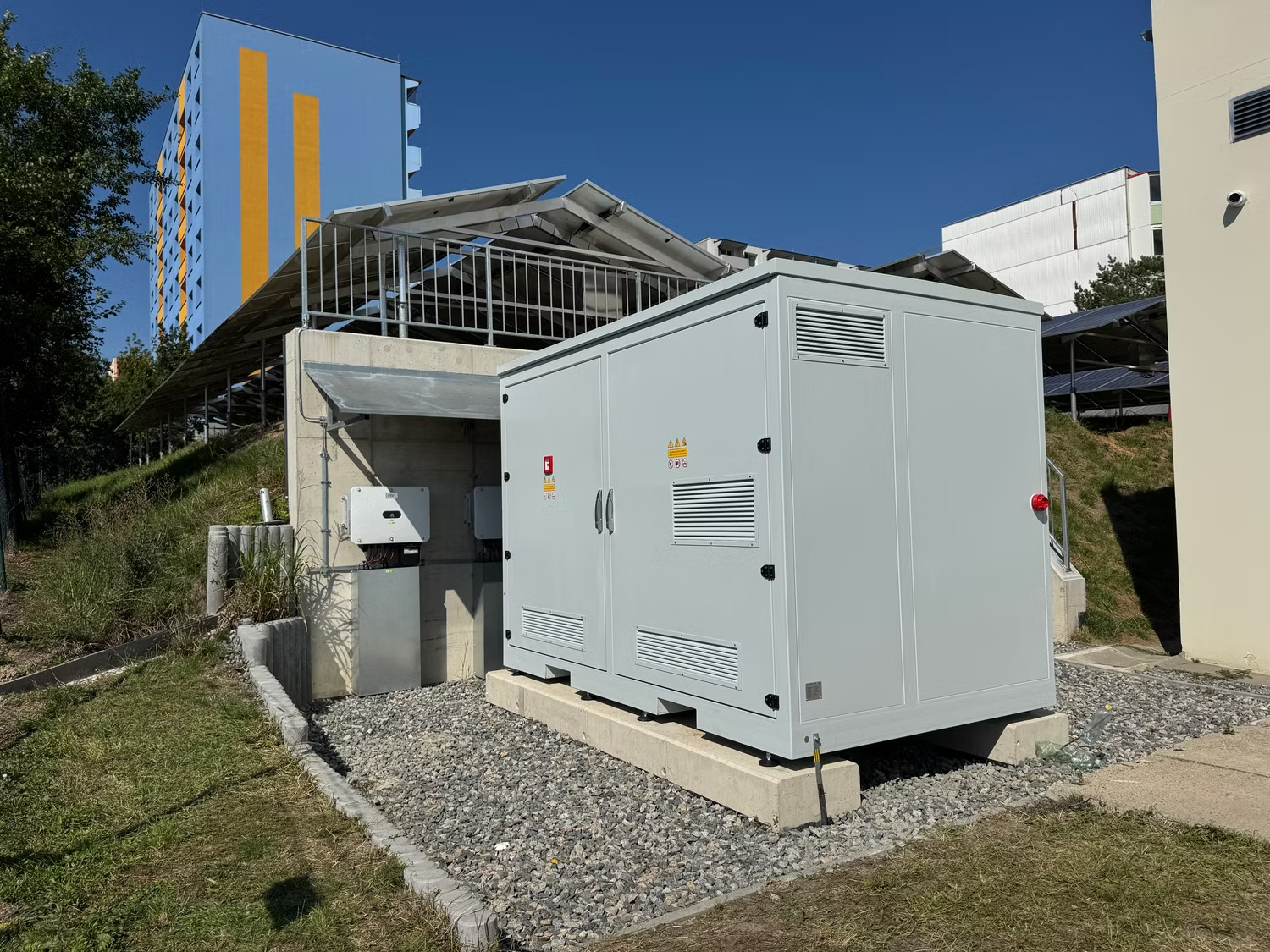
Reinforcement can involve new circuits, substations, transformers, switchgear, protection, or the uprating of existing assets. Such investment generally provides a long-lived increase in physical capacity, but it requires capital, planning, land, equipment, construction resources, and time.
Comparison depends on the counterfactual
Reliable cost-benefit analysis begins with an accurate representation of the asset that would otherwise be built. Overstating reinforcement cost can make flexibility appear artificially attractive, while assuming unrealistic availability or participation can defer equipment that later proves unavoidable.
Demand and generation forecasts sit at the centre of that assessment. A temporary constraint created by one connection may suit a limited flexibility contract, whereas sustained electrification across transport, heating, industry, housing, and data infrastructure may justify reinforcement because the requirement will grow beyond the economical reach of repeated procurement.
The value of speed also needs to be recognised. A customer connected several years earlier may create economic and decarbonisation benefits even where reinforcement remains necessary, with curtailable or flexible connection arrangements providing an interim route if the customer can tolerate defined operating limits.
Research into UK industrial grid delays has already linked connection times with postponed expansion, higher project costs, delayed electrification, and changing site-selection decisions. Those effects extend beyond the direct expenditure recorded by a network operator.
Outage management presents a different calculation. Mobile generation can maintain supply while equipment is isolated, but it introduces fuel use, emissions, transport, noise, setup, and operational cost, whereas temporary flexibility may reduce or reshape demand sufficiently for work to proceed with less standby generation.
Seasonality introduces additional option value because traditional outage planning often concentrates work during periods of lower demand. As load patterns change, flexibility could make more weeks available for maintenance and construction, allowing specialist staff to work across a broader part of the year.
Availability assumptions must remain conservative. A provider may fail to respond because of equipment faults, communications loss, commercial conflicts, or changes in customer operation, requiring defined testing, baselines, performance monitoring, penalties, and fallback arrangements where a service supports security of supply.
Local market depth will also affect the result. A theoretical model may assume ample flexible capacity at one location, yet practical participation could be limited to a single large customer or a small group of assets, exposing the network to concentration risk and higher prices.
Reinforcement and flexibility can be combined in stages. A network may build part of a scheme, procure flexibility during the remaining works, or reinforce for a core requirement while using flexible assets during infrequent peaks.
Common methodology across DNOs would improve consistency for Ofgem, customers, and service providers without producing identical decisions. Network conditions differ, but assumptions around asset life, risk, carbon, availability, customer impact, and uncertainty can still be assessed on a comparable basis.
Digital visibility will underpin many of the flexibility options being considered. Operators need dependable measurements, forecasts, communications, and dispatch systems before they can rely on external assets to defer or reshape network investment.
Procurement duration will also influence participation. Short contracts may preserve network flexibility but discourage investment by service providers, while longer contracts can support equipment expenditure at the cost of committing the DNO before demand forecasts have fully matured.
ED3 will require networks to anticipate demand without creating underused assets. The SSEN framework offers a structured route through that problem, although its practical value will depend on whether modelled flexibility can be contracted and delivered reliably at the precise locations and times assumed in each investment case.