
IN Brief:
- Jedwabno is a 150MW/300MWh battery development in Poland.
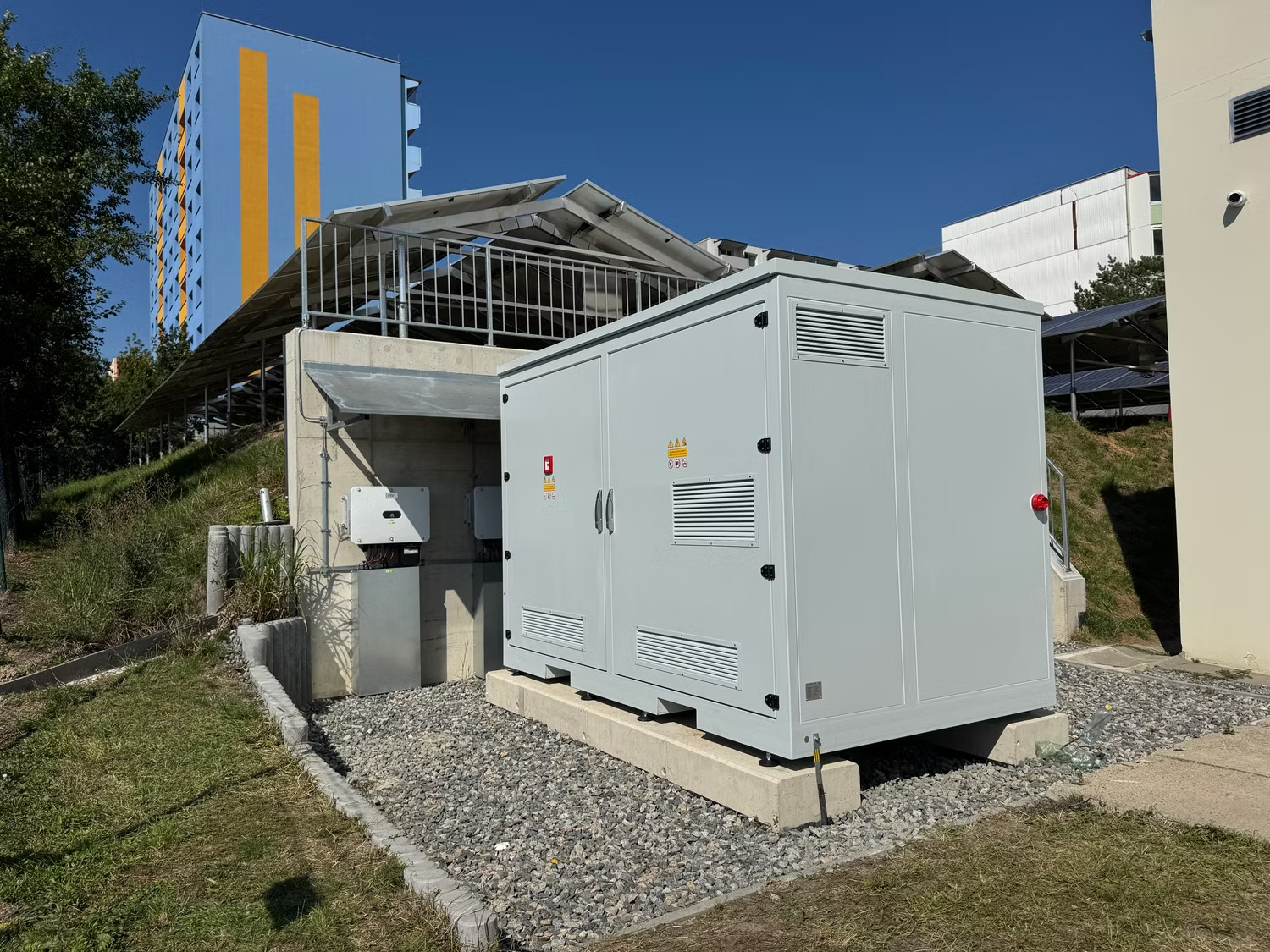
- The construction team has placed 64 battery containers and 32 transformer stations.
- R.Power describes a wider 1.6GW/5.8GWh portfolio spanning operating, construction and ready-to-build projects.
R.Power has completed delivery and placement of the main battery containers and medium voltage transformer stations at its Jedwabno energy storage development in Poland, advancing the 150MW/300MWh project towards planned energisation in December 2026.
All 64 battery containers and 32 containerised medium-voltage transformer stations have been positioned at Jedwabno. This completes an equipment placement milestone; the electrical connections, testing and commissioning necessary for grid operation remain outstanding.
The construction consortium of Nomad Electric and ESIX is continuing the remaining works. R.Power says the project is progressing according to schedule, with the programme from initial construction activities to planned energisation expected to take about ten months.
Jedwabno has a stated power capacity of 150MW and an energy capacity of 300MWh. In nominal terms, those figures represent two hours of discharge at the maximum rated output. Actual operation will depend on usable stored energy, converter limits, electrical losses and the service requirements imposed on the battery.
The two ratings describe different characteristics. Megawatts measure the rate at which the plant can absorb or deliver electricity, while megawatt-hours describe its energy storage quantity. Both are needed to understand how the installation might contribute to grid flexibility and electricity market services.
The battery containers house the equipment required to store energy electrochemically. Each unit must be integrated with the electrical conversion, monitoring and protection systems that allow multiple storage sections to operate as a coordinated plant.
Medium voltage transformer stations provide part of the electrical interface between battery conversion equipment and the collection network. Their physical placement establishes the locations and structural arrangements needed for the remaining cable connections, protective systems and final electrical testing.
Completion of deliveries does not mean that the equipment can yet exchange electricity with the network. Electrical cables, controls and protective devices must be connected and checked, and the completed facility must meet its connection requirements before energisation and commercial operation.
The installation also includes high voltage connection works. The underground route passes through Toruń, introducing construction and coordination constraints associated with an urban environment. The developer has identified this network connection as one of the more complex parts of the project.
As a general electrical engineering requirement, underground power cables need separation, appropriate thermal conditions and protection against mechanical damage. Their final design depends on conductor type, route conditions, voltage and permissible operating temperature. R.Power has not disclosed the detailed cable specification for this route.
The construction contractor must coordinate the completion of civil works with electrical installation and network testing. A battery site can have all its visible storage containers in place while significant work remains in cable termination, control integration, grid protection and commissioning.
Battery control systems will need to coordinate charging and discharging across the installed units. The ability to deliver the site’s full rated power depends on the availability of individual equipment sections and the limits of the interconnected conversion and transformer systems.
Grid batteries can shift electricity between periods of supply and demand, and may provide other contracted flexibility services where their equipment and commercial arrangements allow. Their contribution is limited by the energy already held in the batteries and by the charging opportunities available between dispatch periods.
R.Power has developed commercial arrangements alongside the physical construction programme, including capacity market commitments and a separate optimisation contract for Jedwabno. Those contracts address future availability and commercial dispatch; they do not establish that the battery is already ready for operation.
The battery’s ability to earn revenue under such arrangements will depend on the contractual rules, market conditions and successful commissioning of the completed plant. An award of a capacity contract or optimisation agreement is not a substitute for obtaining permission to energise the electrical installation.
Across its battery portfolio, R.Power identifies 1.6GW of power capacity and 5.8GWh of energy storage in projects that are operational, under construction or ready to build. These categories cover different stages of development and must not be described collectively as installed or commissioned capacity.
The overall portfolio comprises projects with differing grid connections, construction programmes and commercial arrangements. Their combined ratings indicate the scale of the development pipeline, whereas the amount of capacity available to the electricity system depends on the proportion that has actually completed commissioning.
At Jedwabno, successful completion of electrical installation, grid energisation and commissioning are the remaining principal delivery milestones. They are separate from the positioning of battery containers and transformer stations, which has already been completed.
R.Power’s December 2026 energisation target is the next measurable milestone for Jedwabno. The contractor must complete the electrical connections and controls, establish protection coordination and meet the operator’s testing requirements before the installed containers can operate as one power plant. Those remaining works distinguish the achieved logistics milestone from permission to import or export electricity.