IN Brief:
- Each of the three German battery projects has 10MWh of energy storage.
- The projects cover existing solar co-location, new solar co-location and standalone storage.
- LION Smart targets completion and grid connection in the first quarter of 2027.
LION Smart Production has secured three German stationary battery storage projects with a combined capacity of 30MWh, covering different applications alongside existing solar generation, new photovoltaic development and standalone grid storage.
LION Smart Production secured the three orders during the third quarter of 2026. Each project will have 10MWh of storage capacity, with completion and grid connection targeted for the first quarter of 2027.
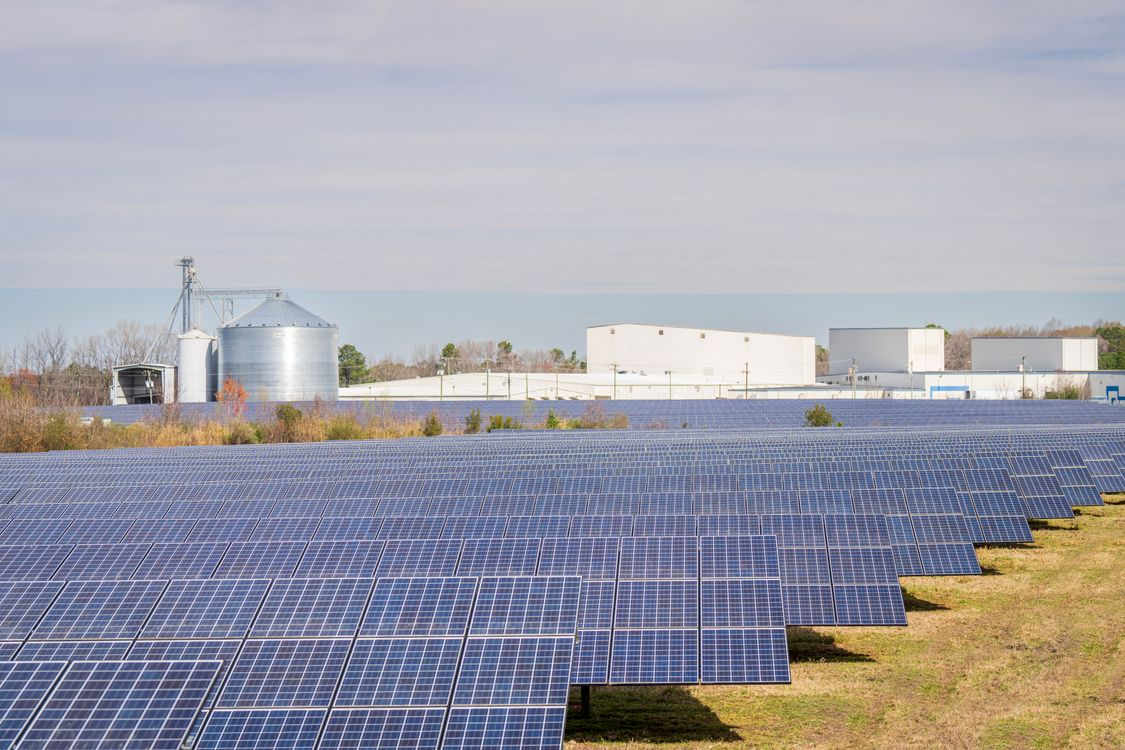
The first installation is intended to be located alongside an existing photovoltaic system. The second will combine a 10MWh battery with a new photovoltaic installation. The third is a standalone 10MWh battery project rather than a storage system explicitly paired with a solar generating plant.
In general engineering terms, these three configurations involve different decisions about electrical connection, control and operation. They share the ability to store and release electricity, but the equipment that supplies charging energy and the arrangements for exporting power can differ across the sites.
At an existing solar park, a battery may be added to infrastructure whose inverters, protection arrangements and connection capacity were originally selected for photovoltaic generation alone. Engineers must establish how the new equipment interacts with those systems and whether the network agreement permits the additional operating modes.
A storage retrofit can be configured to absorb solar output that would otherwise be exported immediately, subject to the plant’s connection arrangement and the available charging capacity. The final design also determines whether grid charging is permitted and how battery dispatch interacts with the existing generating system.
Where a battery is developed alongside a new photovoltaic plant, the electrical architecture can be considered from the beginning of the project. The developer may choose a shared grid connection or other integrated arrangements, with equipment ratings and control interfaces designed to reflect the intended operating profile.
The new solar and battery project will still need separate assessments of generation output, storage duration and available export capacity. Combining the technologies does not automatically establish a particular operating duration or guarantee that storage will prevent solar curtailment.
The standalone battery has no associated solar generation plant as part of its configuration. It is designed to exchange electricity with the grid through power conversion and connection equipment, with charging and discharging governed by operating conditions and contracted market services.
Each installation will have 10MWh of energy storage, but LION Smart has not disclosed the projects’ megawatt power ratings. Their discharge durations therefore cannot be calculated reliably. Customer names, precise locations and contract values have also not been disclosed.
Battery power is measured in megawatts, whereas energy capacity is measured in megawatt-hours. A system with a given amount of stored energy can deliver it over different durations depending on the output rating selected for its inverters and the permitted operating range of the cells.
LION Smart describes its role as a system integrator, covering consulting, design, engineering, equipment integration, commissioning and subsequent service and maintenance. These responsibilities extend beyond manufacturing individual battery components and require coordination of the entire electrical installation.
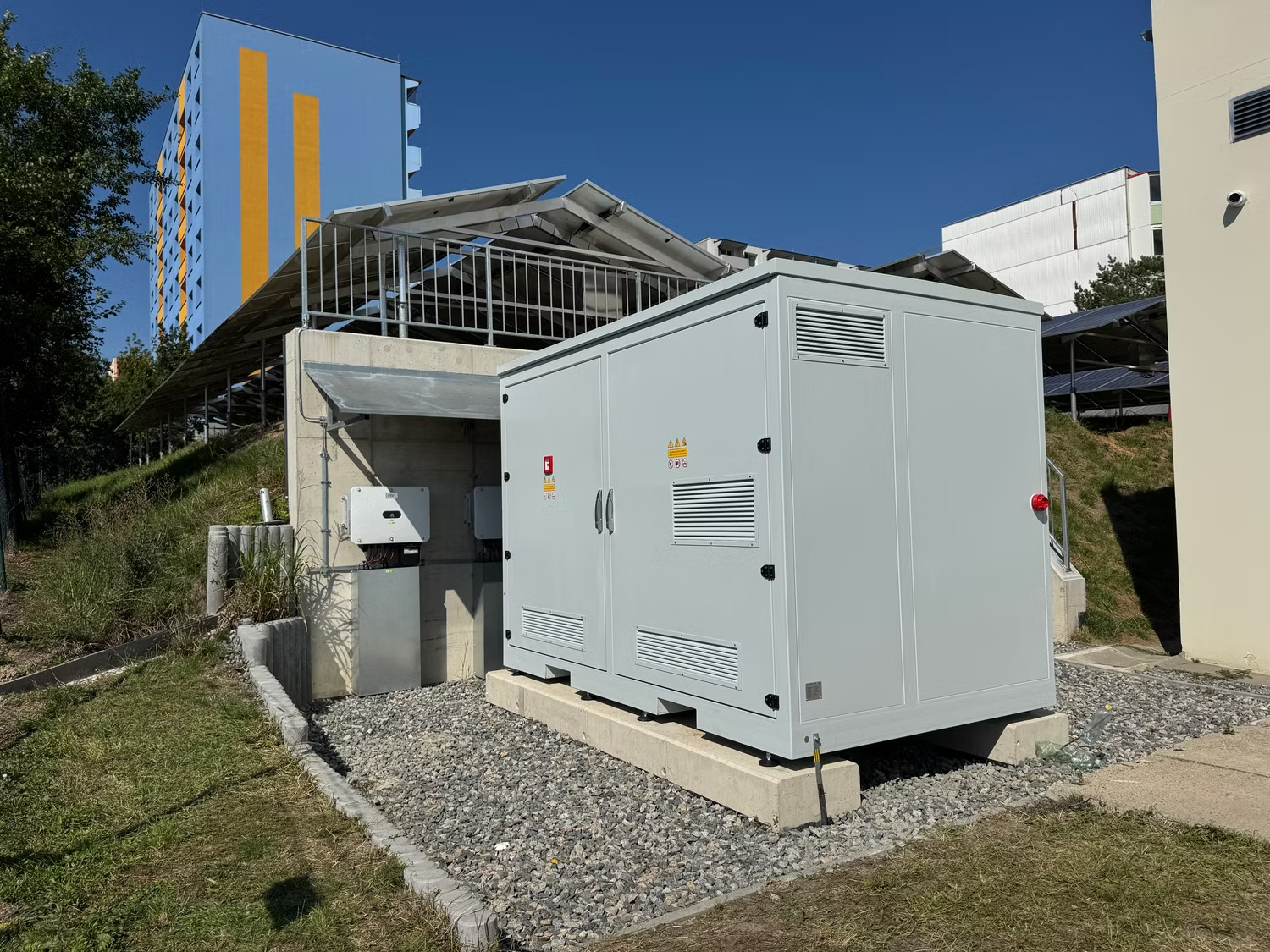
Stationary battery systems contain equipment for storing electrical energy as direct current. Power conversion equipment manages the exchange with alternating current networks, while transformers, switchgear, metering and protective devices provide the required interface with the local connection.
Battery management systems supervise the operating conditions of the cells, including measurements relevant to temperature, voltage and state of charge. The wider plant control system coordinates the output of individual battery sections according to the grid connection limits and the selected operating service.
Heat management and electrical protection remain important across all three configurations. The precise equipment architecture will depend on the battery technology, enclosure design and environmental conditions, none of which have been specified for these individual contracts.
LION Smart has previously introduced a 5MWh container solution for industrial and grid storage applications. That product demonstrates part of its system integration capability, but the company has not specified the container count or detailed equipment configuration for any of the three new projects.
LION Smart is also developing a proposed BESS as a Service offering for photovoltaic and wind farm operators. It has not identified a contracted customer, confirmed financial terms or established a commercial launch date for that service.
A service model could combine equipment provision with maintenance, monitoring or availability commitments, depending on its contract structure. LION Smart has not yet defined publicly which responsibilities it would retain, who would own the storage assets or how dispatch rights would be allocated.
The mixture of existing solar, new photovoltaic generation and standalone storage gives LION Smart three different integration assignments rather than three identical installations. Each must resolve its own connection and operating controls before a common first-quarter 2027 energisation target can be achieved. The company has not disclosed individual power ratings or site-specific wiring arrangements.
The orders extend LION Smart’s stationary storage activity beyond the sale of battery hardware into project engineering and integration. Whether the proposed service-based offering becomes part of those particular contracts remains unspecified. Progress can instead be assessed through installation, demonstrated control integration and eventual authorisation to connect each of the three systems to its network.