
IN Brief:
- The Waren solar park is operating, while the battery is scheduled for commissioning in September 2027.
- The hybrid agreement runs for seven years and covers electricity marketing and storage optimisation.
- A minimum battery remuneration provision sits alongside a share of market optimisation revenues.
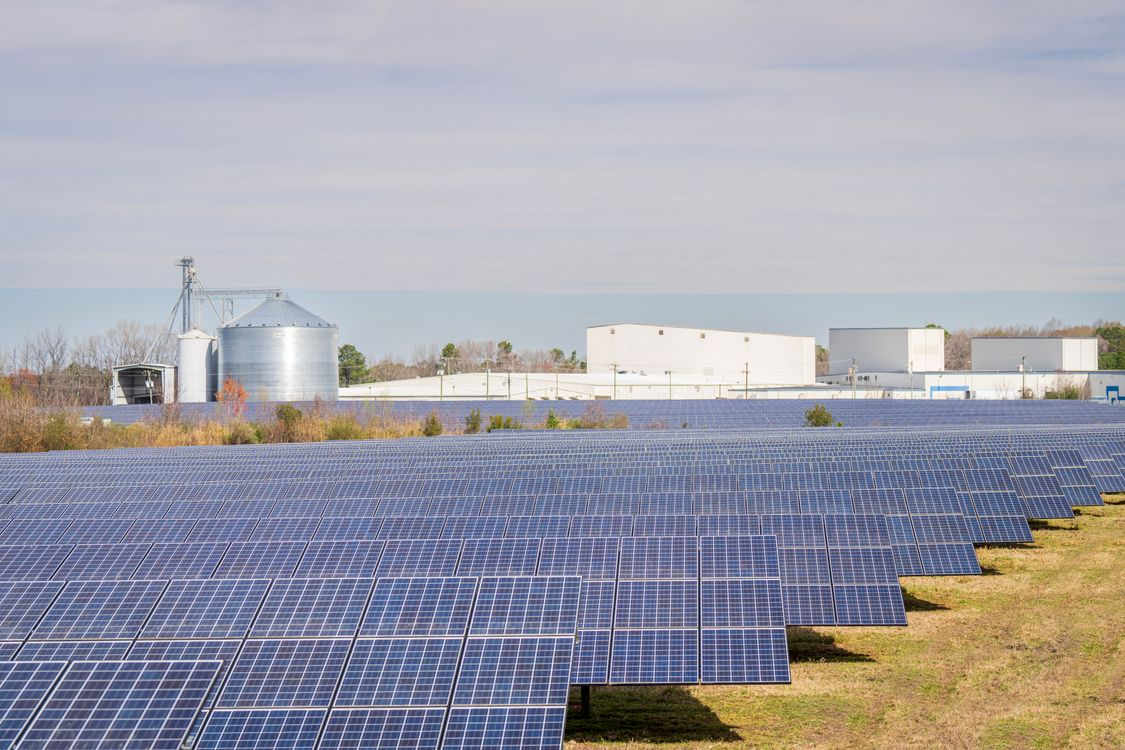
MaxSolar and electricity trader energy2market have entered a seven-year hybrid power purchase agreement for a solar and battery project at Waren in Mecklenburg-Western Pomerania, Germany. The arrangement combines an operational 45MW photovoltaic plant with a battery scheduled for commissioning in September 2027.
The proposed storage facility will provide 20MW of power and 40MWh of energy capacity. The solar park has operated since summer 2026, so the contractual agreement covers an existing generating asset alongside equipment that still needs to be installed, tested and brought into commercial service.
MaxSolar and energy2market describe the arrangement as Germany’s first hybrid PPA with an agreed minimum remuneration for storage. That characterisation refers to the contractual revenue structure, not to the first physical pairing of solar generation with batteries in the country.
The two installations are intended to share a grid connection through a dedicated substation. Their combined operation must respect the capacity and technical conditions of that connection, including protection requirements and the controls governing simultaneous generation, charging and export.
The planned battery has a nominal energy-to-power ratio of two hours. Its usable discharge duration will depend on the available state of charge, operational reserves, converter losses and the electrical output selected for a particular service. The two-hour figure is not a promise of constant availability.
Solar generation varies with weather and daylight. A battery can store a proportion of available electricity during one period and export it later, helping separate the timing of electricity production from the timing of delivery. It cannot increase the energy collected by the modules.
For a combined installation, operation involves choices between direct photovoltaic export, battery charging and subsequent discharge. These decisions must account for forecast production, electricity prices, the battery’s available energy and any restrictions associated with the local network.
Energy2market will optimise the facilities across day-ahead and intraday electricity markets and relevant balancing services. Individual markets have different requirements for availability, response and settlement, so their economic value cannot be determined from nameplate capacity alone.
Storage assets can switch between charging and discharging within their equipment limits, but participation in one service may reduce the capacity available for another. Dispatch must also consider battery cycling and equipment condition, rather than simply selecting the highest price in a given hour.
The contract introduces a minimum remuneration component for the battery alongside a share of optimisation revenues. The mechanism aims to give the asset owner a more predictable baseline while retaining participation in potential market upside.
The minimum payment and revenue-sharing proportions have not been disclosed. It is therefore not possible to calculate the guaranteed annual income, the expected return on investment or the extent to which the minimum provision reduces the commercial risk of the project.
Battery income can vary with wholesale electricity spreads, reserve market prices, system conditions and competition from other storage installations. Longer-term agreements can transfer or allocate some of these risks, but their effectiveness depends on the exact obligations and exceptions contained in the contract.
The solar and battery equipment will have different operating histories when the storage plant enters service. The already operating solar park supplies a generation profile against which the new battery can be integrated, while storage commissioning will require independent electrical and control tests.
A common substation can simplify the number of network interfaces, although it also creates shared operational constraints. The project must manage active and reactive power, electrical protection and any export limit imposed by the connection agreement across its generating and storage equipment.
MaxSolar has pursued other co-located solar and storage developments at Gemmingen, Friedrichshof and Darstadt. The Waren agreement adds a particular commercial model to that development activity, rather than establishing an entirely new class of electrical technology.
The immediate engineering task is to deliver the 20MW/40MWh installation and integrate it with the existing photovoltaic plant. Until that work and commissioning are complete, the revenue structure cannot be assessed through actual combined operating results at Waren.
The agreement also separates electrical design choices from contractual revenue allocation. Battery controls must follow actual operating restrictions regardless of market forecasts, and the commercial optimiser cannot dispatch energy that is unavailable. The eventual financial results will reflect equipment availability, market participation and the detailed distribution of income agreed between the parties.
At Waren, the economic test of the agreement will come when energy2market is able to optimise the operating solar asset alongside the completed battery. The contractual floor protects a minimum part of storage remuneration, while the additional income depends on market dispatch. No guaranteed payment amount has been disclosed, so the financial outcome cannot yet be calculated.