
IN Brief:
- The operating Thessaloniki facility has installed ratings of 100MW and 200MWh.
- A new 33/150kV substation connects through five kilometres of underground high voltage line.
- Florina is a separate 50MW/200MWh project whose construction has not yet been reported complete.
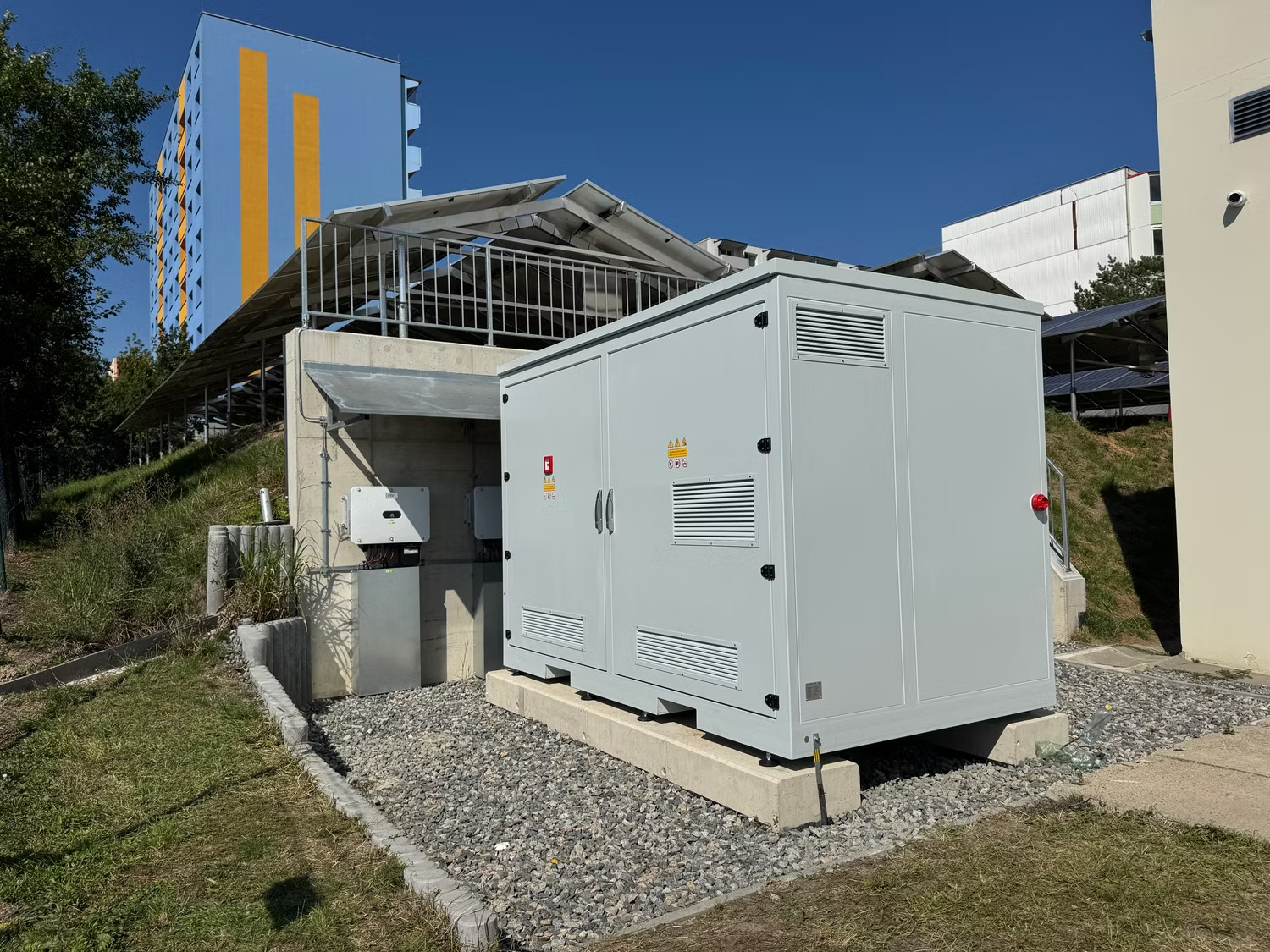
HELLENiQ ENERGY has brought its first large battery storage park into operation at its Thessaloniki industrial facilities in Greece, following completion of construction of a 100MW/200MWh installation and its associated high voltage grid connection.
HELLENiQ Renewables, the group subsidiary responsible for the project, invested approximately €50m in the battery systems, a new substation and an underground connection to Greece’s electricity transmission network. The Thessaloniki installation entered operation in October 2026.
The operating plant has an installed power rating of 100MW and an installed energy storage capacity of 200MWh. The 100MW figure describes its nominal maximum electrical power exchange, while 200MWh describes the energy its batteries are designed to store. Entry into service establishes its operational status, but no measured annual availability or dispatch performance has yet been disclosed.
At the nominal 100MW output, 200MWh corresponds to approximately two hours of theoretical full power discharge. Actual usable duration depends on the battery’s operating range, reserve requirements, electrical losses and the conditions under which the system is dispatched.
The development occupies approximately 100,000 square metres within the Thessaloniki industrial facilities. It comprises three battery storage systems using lithium iron phosphate cells and liquid cooling, with electrical equipment needed to connect the storage units and manage their exchange with the wider network.
During charging, the batteries take electrical energy from the system and store it electrochemically. During discharge, power conversion equipment supplies electricity back into the alternating current grid. Control systems must manage the state of charge and the power requested while maintaining the equipment within its electrical and thermal limits.
Lithium iron phosphate is a battery chemistry used in stationary storage applications, while liquid cooling provides a means of managing operating temperature. The arrangement does not eliminate the need for battery management, protective equipment or monitoring of thermal conditions, particularly where large numbers of cells operate in coordinated systems.
The connection programme included a new 33/150kV step up substation and an underground high voltage transmission line extending approximately five kilometres to the Thessaloniki Extra High Voltage Centre. The voltage transformation and network interface are essential parts of the installation’s ability to exchange power with the transmission system.
Electrical protection and control must coordinate the battery plant’s connection with the requirements of the transmission operator. The nominal storage rating alone does not indicate which grid services are contracted or how frequently the equipment will cycle.
HELLENiQ describes the facility as supporting more effective use of renewable generation and improved electricity system reliability. These are the company’s expected system benefits, rather than separately measured outcomes from the newly operating plant. Its contribution will depend on charging opportunities, dispatch decisions and the conditions prevailing on the network.
Solar and wind generation vary with weather and time of day. A battery can absorb electricity when generation is plentiful and deliver it later, but only while sufficient charging headroom or stored energy remains available. The system must also take account of charging losses and operating constraints when deciding how much energy can be shifted.
The Thessaloniki installation was selected through the first competitive tender for electricity storage systems organised by Greece’s Regulatory Authority for Waste, Energy and Water. It is being implemented through the Greece 2.0 Recovery and Resilience Plan, supported by the European Union’s NextGenerationEU programme.
According to HELLENiQ, construction created approximately 100 direct jobs and involved companies and suppliers from the surrounding region. Those figures concern the construction period and should not be interpreted as permanent employment at the operating battery site.
A separate battery project at Florina in northern Greece remains under construction, with completion expected in the near future. The planned facility has a power rating of 50MW and storage capacity of 200MWh; it has not entered commercial operation.
On those nominal figures, Florina would have a higher energy to power ratio than Thessaloniki, corresponding to four hours of theoretical discharge at full rated output. Actual service duration would still depend on the usable capacity and operating limits of the completed equipment.
HELLENiQ has a development portfolio of renewable energy and storage projects exceeding 6GW, including more than 1GW of storage projects across Greece, Romania, Cyprus and Bulgaria. These figures encompass planned developments at different stages, not an installed or operational fleet of that size.
The group’s targets of 1.5GW of renewable energy projects in operation by 2028 and more than 2GW by 2030 are forward plans. They must be distinguished from the specific Thessaloniki asset, which the company has confirmed is operational.
Thessaloniki gives HELLENiQ a newly operational storage asset with a specified grid interface and installed battery ratings. Its future performance can be assessed through dispatch and availability, while Florina remains a separate construction project. The other developments in the group’s pipeline will need their own completion and connection milestones before contributing electricity storage services.