IN Brief:
- BESS Lile provides 142MW of power and 802MWh of installed storage capacity.
- The $174m installation includes 160 battery containers and 40 supporting electrical units.
- Commercial operation was authorised on 25 September before ENGIE detailed the milestone in October.
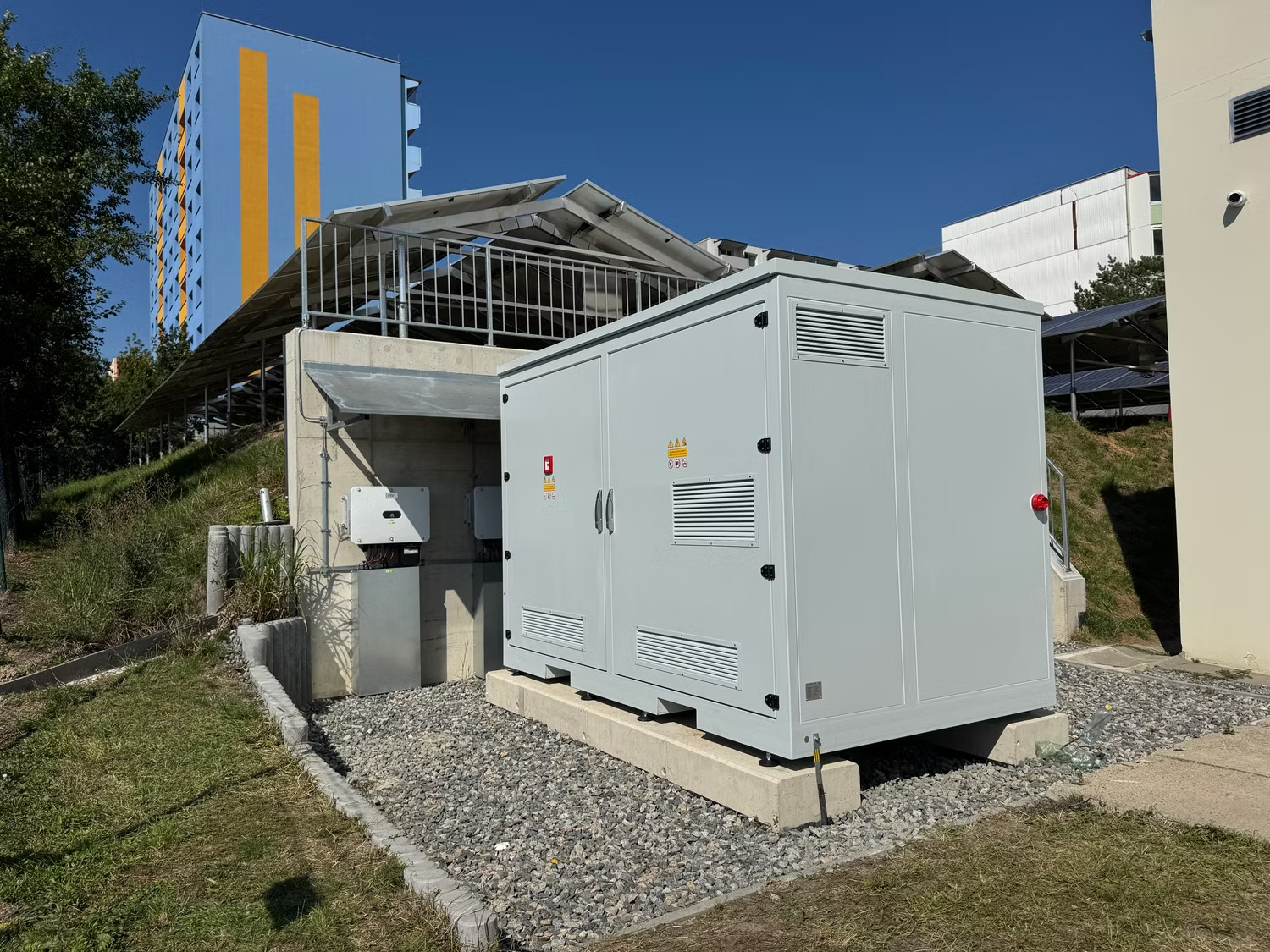
ENGIE Chile has started commercial operation of BESS Lile, a 142MW battery energy storage facility at its Mejillones electricity generation complex in the Antofagasta region of northern Chile. The installation has a stated energy capacity of 802MWh and represents an investment of approximately $174m.
The National Electricity Coordinator authorised commercial operation on 25 September 2026. The facility comprises 160 battery containers and 40 supporting electrical units, adding a grid-connected storage asset at a site previously developed around conventional thermal generation.
BESS Lile is a standalone battery system rather than storage dedicated to a single wind or solar farm. It can draw electricity from the national grid and return that energy when dispatched, subject to its state of charge, equipment capacity, contractual arrangements and system operating requirements.
The nameplate relationship between power and energy is approximately 5.6 hours at 142MW. ENGIE describes the facility as capable of up to five hours of discharge, an operational measure that does not necessarily equal nominal battery capacity divided by the power rating. Reserve margins, losses and battery operating limits affect the usable duration.
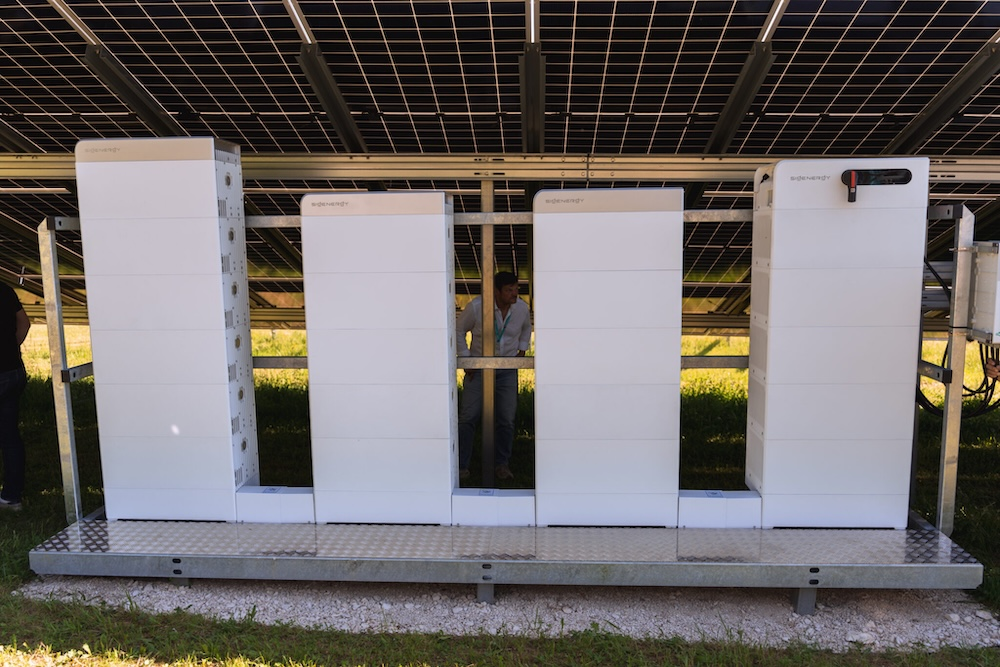
At battery level, the equipment stores electricity electrochemically in direct-current form. Conversion equipment is required to exchange power with the alternating-current network, while controls govern charging, discharge, thermal conditions and protective responses to electrical faults.
The 40 supporting electrical units form part of the infrastructure needed to connect the distributed containers into an operable generating and storage installation. The exact contribution of individual electrical components should not be inferred from the equipment count alone.
Mejillones offers existing grid infrastructure and a developed industrial site. The battery installation uses electrical interconnection facilities, internal areas and access infrastructure associated with a previously planned coal generating unit. Reuse can reduce the need for entirely new enabling works, although integration and commissioning requirements remain specific to the new technology.
Conventional thermal generation and battery storage have different operating characteristics. A coal unit produces electricity through a steam cycle, whereas a battery can shift between charging and discharging through electronic converters. Protection settings, control functions and the response to grid disturbances need to accommodate those different behaviours.
The storage facility can absorb electricity when charging is commercially or operationally appropriate and discharge later. Its contribution to the wider electricity system depends on the availability of energy to charge it and the duration for which the network requires output.
Large amounts of solar generation in northern Chile can create considerable variation between daytime production and electricity demand later in the day. Storage can help move part of the available energy between those periods without generating additional primary energy of its own.
Charging and discharging also incur losses. The net amount returned to the grid is therefore smaller than the amount used to charge the batteries, with performance depending on equipment efficiency and operating conditions. The economic case must reflect both electricity prices and the cost of maintaining the system.
Electrical storage contributes capacity only when sufficiently charged and available. Dispatch systems must preserve operational margins, coordinate with network constraints and account for any commitments in electricity and ancillary service markets.
The installation is one component of a wider programme to convert the Mejillones complex. The CTM1 and CTM2 coal units disconnected at the end of 2025, while other thermal units and conversion schemes remain subject to their separate implementation schedules.
The planned transition includes natural gas operation for part of the existing generating infrastructure and eventual closure of remaining coal facilities. Battery commissioning does not mean those subsequent changes have already been completed.
Keeping the existing electricity network interface in service as generation technology changes is a practical engineering objective. Grid facilities, access roads and industrial areas can retain value while new equipment must still meet current connection and operational conditions.
ENGIE puts its operating battery power capacity in Chile at approximately 803MW following successive commissioning projects during 2026. These portfolio figures refer to installed storage power and do not describe the energy capacity or duration of every asset in that portfolio.
The surrounding electricity infrastructure must maintain voltage and frequency requirements while battery power changes direction. Converters and local protection equipment operate within network-defined limits, and battery management systems impose separate limits based on cell condition and temperature. A plant therefore needs coordinated controls rather than relying on its nominal megawatt rating alone.
BESS Lile adds an operating grid storage asset to the reused electrical infrastructure at Mejillones. ENGIE’s wider Chilean battery portfolio now totals approximately 803MW of installed power, although that figure does not indicate how many hours each facility can discharge. The remaining conversions and retirement of thermal units at the complex follow their own timetables rather than being completed by the battery’s commissioning.