IN Brief:
- The two agreements establish route-to-market arrangements for a quarter of the projects' actual electricity output.
- Each 1.4 GW wind farm holds a 20-year inflation-indexed Contract for Difference with a strike price of £91.20/MWh in 2024 prices.
- Offshore construction is scheduled to begin in early 2027, with both projects expected to be fully commissioned in 2030.
SmartestEnergy has signed two 20-year power purchase agreements with the joint venture between RWE and KKR developing Norfolk Vanguard East and West. The contracts cover a quarter of the electricity generated by the two offshore wind farms, which will have a combined installed capacity of 2.8 GW.
The agreements establish commercial arrangements for selling electricity from the developments into the wholesale market. Each wind farm secured a 20-year inflation-indexed Contract for Difference (CfD) in January, following the government’s seventh allocation round, at a strike price of £91.20/MWh expressed in 2024 prices.
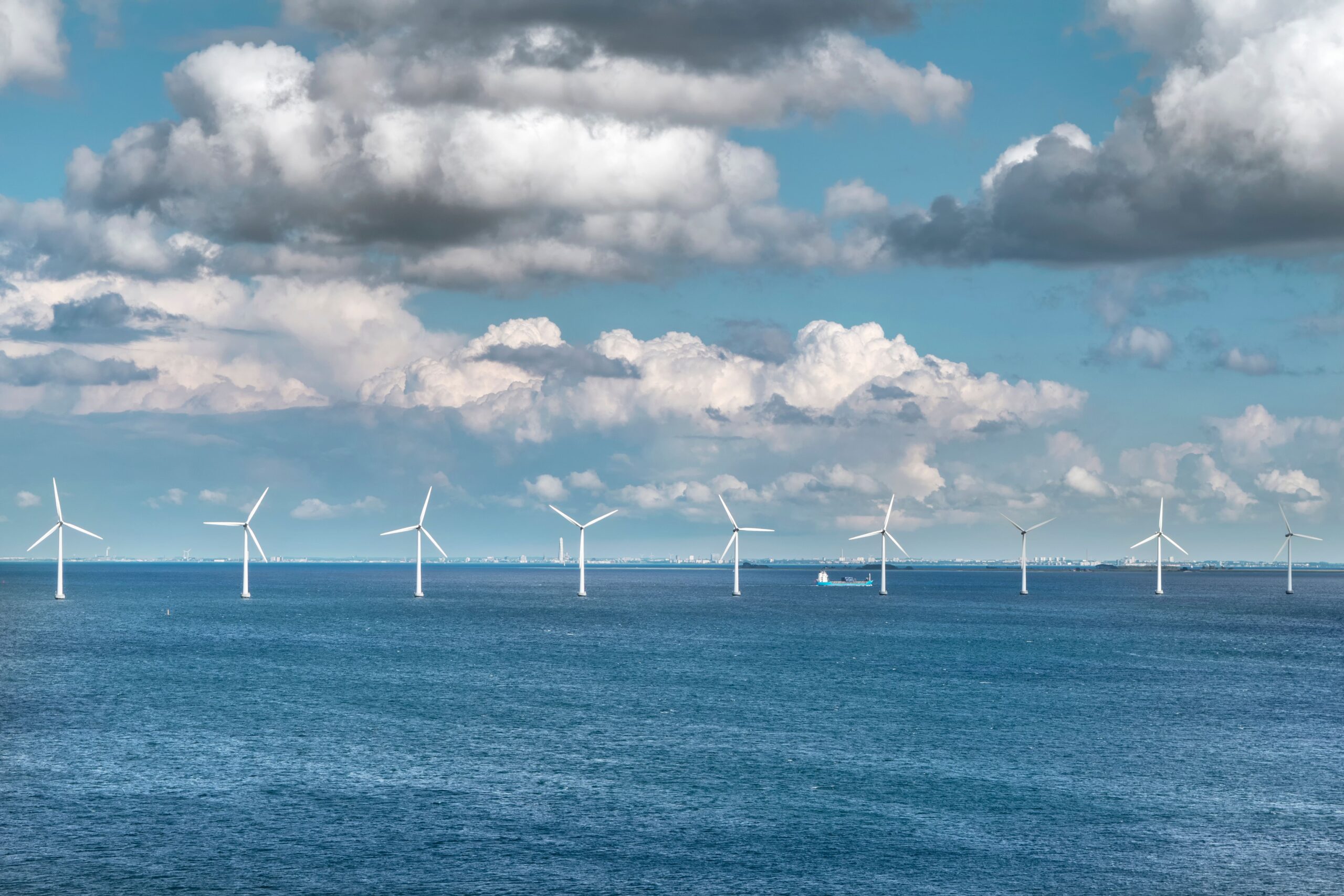
Located between 50 and 80 kilometres off the Norfolk coast, the two developments represent approximately £12 billion of investment, including their associated transmission infrastructure. RWE will lead construction on behalf of its joint venture with KKR, which acquired a 50% interest in each project earlier this month.
The developers reached financial close on 11 November, with 35 international banks participating in a financing package comprising £11.1 billion in cash facilities and £1.7 billion in ancillary facilities. The National Wealth Fund has committed £500 million to each development. Onshore cable and substation construction is already under way, with installation of the first offshore foundations scheduled for the first half of 2027.
SmartestEnergy’s contracts cover an output share equivalent to 700 MW of installed capacity, but that figure does not represent a continuous commitment to deliver 700 MW. The electricity sold through the agreements will fluctuate with actual wind conditions, turbine availability, and restrictions affecting the export of generation to the transmission system.
A CfD reduces exposure to movements in wholesale prices by settling the difference between a specified market reference price and the contractual strike price. When the reference price falls below the strike price, eligible generation generally attracts a corresponding payment; when it rises above that level, the generator generally repays the difference, subject to the contract terms.
The mechanism does not itself purchase the electricity or arrange its physical delivery. Generators must still secure access to the wholesale market and manage the difference between the electricity they have contracted to sell and their actual output. The PPA establishes a route through which SmartestEnergy can perform those market functions for its share of the Vanguard generation.
Wind forecasts inform trading positions ahead of delivery, but changes in weather and equipment availability may alter production after those positions have been established. Forecast output can be revised closer to delivery and trading positions adjusted accordingly. Remaining deviations are subject to electricity market imbalance settlement, creating exposure to prices that may differ materially from the prices agreed in earlier transactions.
At the scale of the Vanguard developments, a five-percentage-point difference between forecast output and actual generation across the entire 2.8 GW fleet would equate to 140 MW if expressed relative to installed capacity. The energy associated with that difference depends on how long it persists. The commercial allocation of forecasting and imbalance risk under the individual PPAs has not been disclosed.
Physical availability is also affected by the offshore collection networks and the export infrastructure. Maintenance on an individual turbine may remove only a small fraction of the wind farm’s generating capability, whereas an outage affecting shared transmission equipment can restrict a much larger volume of output. Forecasting and trading arrangements therefore depend on timely information about planned outages and the availability of grid connections as well as meteorological conditions.
Periods of strong wind across multiple North Sea developments can simultaneously increase the supply of electricity and depress wholesale prices. The resulting relationship between output and price can affect the value of electricity sold by renewable generators even when their annual energy production remains unchanged. CfD support reduces some of that exposure, while the PPA determines the arrangements through which the electricity itself is sold.
The financing is non-recourse, placing the emphasis on the projects’ own future cash flows rather than general recourse to the shareholders. The long duration of the CfDs and purchasing agreements therefore aligns with a central requirement of project finance: establishing a contractual framework for revenue over a substantial portion of the assets’ operating lives.
Both Norfolk developments will use coordinated onshore grid infrastructure. RWE expects offshore construction to begin in early 2027, with Vanguard West foundation installation preceding Vanguard East. Full commissioning of the two wind farms is planned for 2030, when their combined generating capacity will enter the electricity system under the long-term support and purchasing arrangements now being established.