IN Brief:
- RWE and KKR have completed their 50:50 joint venture transaction and reached financial close on Vanguard East and Vanguard West.
- The approximately £12bn investment is supported by £11.1bn of cash facilities and £1.7bn of ancillary facilities arranged through 35 international banks.
- Offshore foundation installation is scheduled to begin in the first half of 2027, with both 1.4GW wind farms targeted for full commissioning in 2030.
RWE and KKR have completed their joint venture transaction and reached financial close on the Vanguard East and Vanguard West offshore wind projects, establishing the investment and financing arrangements for approximately 2.8GW of planned generating capacity in the British North Sea. The two developments represent a combined investment of around £12bn, including their associated electricity transmission infrastructure, with offshore construction scheduled to begin in early 2027.
KKR has acquired a 50% equity interest in each project, formally establishing an equal partnership with RWE following the agreement announced in January 2026. Both companies are providing equity, while RWE will lead development and construction on behalf of the joint venture.
The financial close includes £11.1bn of cash facilities and £1.7bn of ancillary facilities arranged through a consortium of 35 international banks. RWE describes the transaction as the largest non-recourse project financing completed for UK offshore wind, reflecting the scale of the development programme and the associated construction requirements.
The financing incorporates a £1bn commitment from the UK's National Wealth Fund, together with credit support from Germany's Euler Hermes and Denmark's export credit agency EIFO. RWE confirmed that the National Wealth Fund and Euler Hermes are participating in UK offshore wind project financing for the first time.
The different financing figures represent distinct elements of the transaction. The approximately £12bn investment describes the estimated expenditure associated with delivering the two projects, while the £11.1bn cash facilities provide committed financing under the agreed lending arrangements. The £1.7bn ancillary facilities support other financial obligations and are not an additional construction budget to be added to the investment estimate.
Non-recourse project financing is structured principally around the assets and cash flows of the relevant project companies. Repayment arrangements and lender protections are established through the financing documents, allowing infrastructure developers to secure debt funding tailored to the construction and operating characteristics of individual projects.
The completed equity transaction establishes the ownership structure through which that financing will be deployed. RWE retains responsibility for directing project delivery, with KKR supplying long-term infrastructure investment capital and participating in the ownership of both developments.
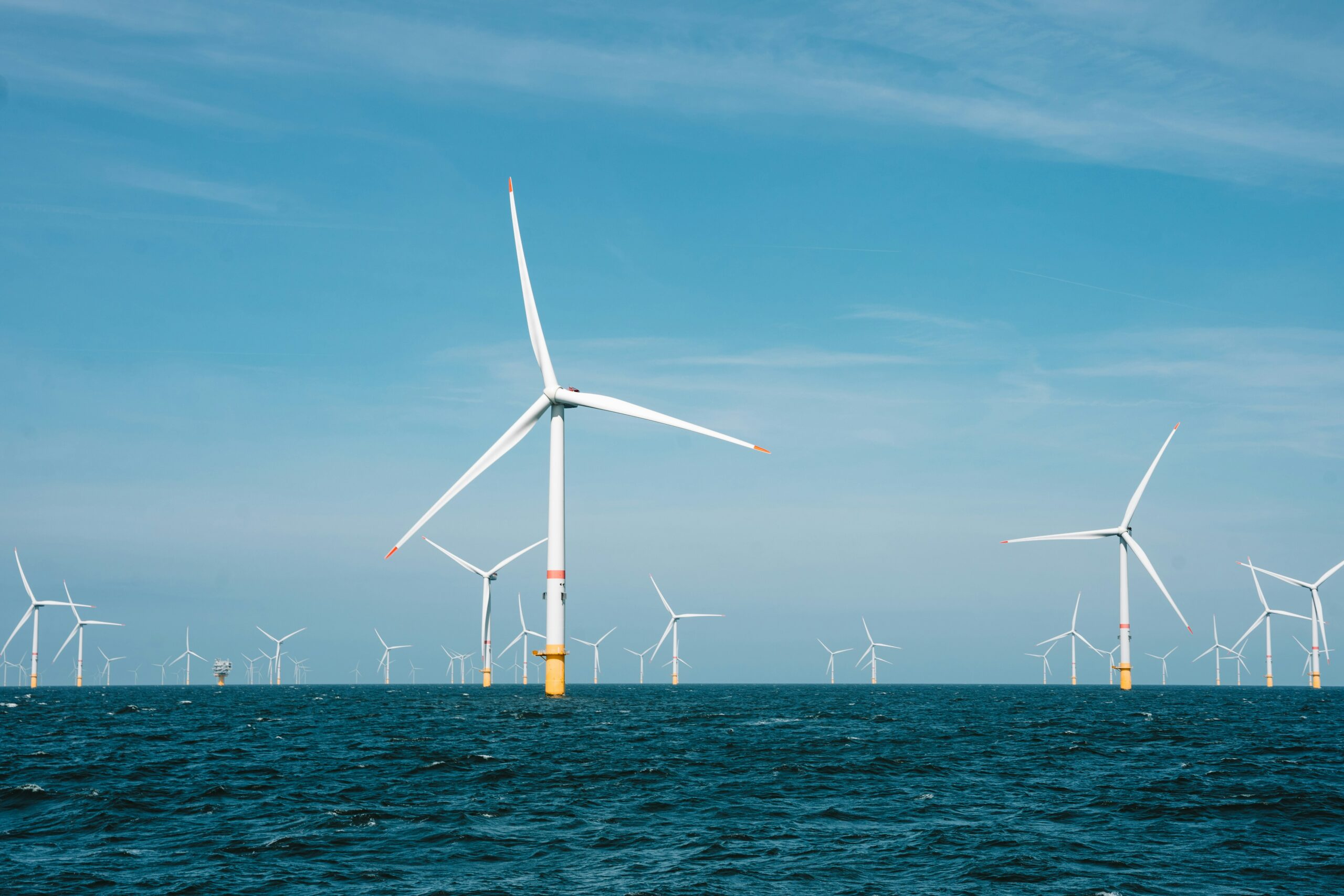
Vanguard East and Vanguard West will each have an installed generating capacity of approximately 1.4GW. The wind farms are planned between 50km and 80km off the Norfolk coast, with the combined 2.8GW development expected to generate electricity equivalent to the annual consumption of around three million UK households once fully operational.
The two projects secured 20-year Contracts for Difference during the UK's seventh allocation round. Each was awarded an inflation-indexed strike price of £91.20/MWh, expressed in 2024 prices, providing a defined commercial settlement framework for eligible electricity generation.
The contracts form part of the projects' long-term revenue arrangements. Under the Contract for Difference mechanism, eligible generation is subject to payments determined by the relationship between the agreed strike price and the applicable reference price, with the resulting settlement operating under the scheme's contractual rules.
These arrangements can reduce exposure to wholesale electricity price movements, although they do not remove construction, operating or generation risks. Actual production will continue to depend on wind conditions, equipment availability, network access and the operating restrictions applying to the developments.
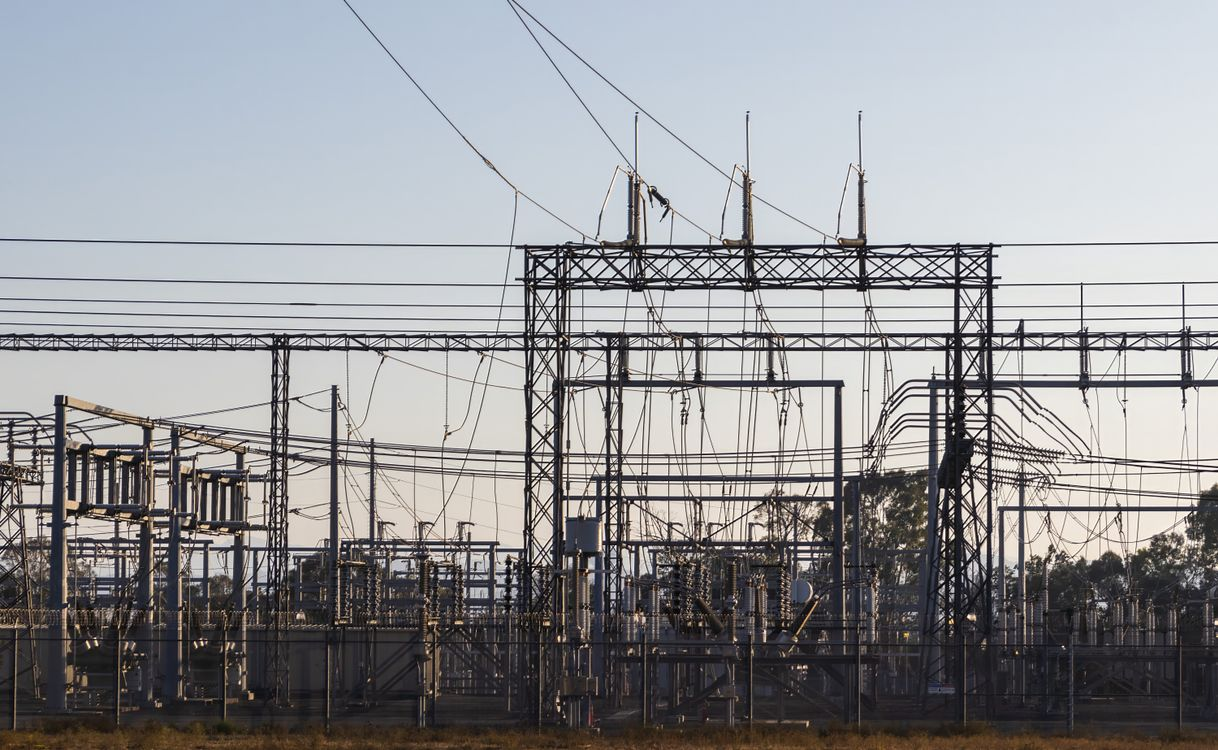
The wind farms will require extensive electrical infrastructure to collect electricity from the turbines and transfer it into the British transmission network. Individual turbine generators must be connected through subsea collection circuits, with associated electrical equipment providing voltage transformation, switching, protection and control.
Power from the generating arrays will then be transferred through the projects' offshore and onshore transmission infrastructure. Cable ratings, electrical losses, system protection and the configuration of the receiving network must be considered during engineering design to accommodate the planned generation capacity.
RWE confirmed that onshore cable works and substation construction are already well advanced. The two projects use coordinated grid infrastructure intended to reduce the need for duplicated construction and limit the environmental and community effects associated with their land-based connections.
Sharing elements of the transmission development requires the electrical design and construction sequence to accommodate both generating projects. The relevant infrastructure must provide the transfer capacity and operational arrangements required for the installed turbines, while supporting maintenance, isolation and fault management.
The construction programme will involve extensive marine and electrical engineering. Offshore foundations must be installed before turbine towers and generating equipment can be erected, while subsea cables and associated infrastructure must be positioned, connected and tested before the electrical system can be commissioned.
Offshore installation activity is influenced by vessel availability, weather conditions and the sequencing of other construction packages. The installation of foundations, turbines and cables must be coordinated so that the required interfaces are available when each stage of construction begins.
The first offshore foundation installation for Vanguard West is scheduled for the first half of 2027, followed by Vanguard East. RWE expects both wind farms to be fully commissioned in 2030, allowing several years for the remaining construction, electrical integration and testing activities.
Financial close does not represent the completion of equipment procurement or the start of electricity generation. The projects must still progress through the planned construction programme, with each generating and transmission component installed and commissioned before it can contribute to the electricity system.
Large offshore wind developments also require substantial manufacturing and logistics capacity. Turbine equipment, foundations, cables and electrical components must be delivered in accordance with project specifications, while specialist installation vessels and construction contractors must be available to meet the offshore programme.
The confirmed financing arrangements provide a foundation for those procurement and delivery commitments. RWE and KKR have established the ownership and funding structure, while the 20-year Contracts for Difference provide the commercial framework applying to future generation.
Once operational, Vanguard East and West will add 2.8GW of installed offshore wind capacity to the British electricity system. The actual contribution to electricity supply will depend on generation conditions and the availability of the supporting transmission network, with power output varying according to the wind resource and operating status of the equipment.
The immediate programme remains focused on completing preparatory infrastructure and beginning offshore construction in early 2027. Foundation installation will provide the next major physical milestone, with the remaining turbine, cable and electrical works scheduled to progress towards full commissioning of both wind farms in 2030.