IN Brief:
- The proposed direct award covers design, equipment supply, installation, and commissioning of an integrated charging system.
- West Mercia cites funding deadlines and operational requirements in its justification for the procurement route.
- Contract signature is anticipated on 30 November, with delivery scheduled to run through March 2027.
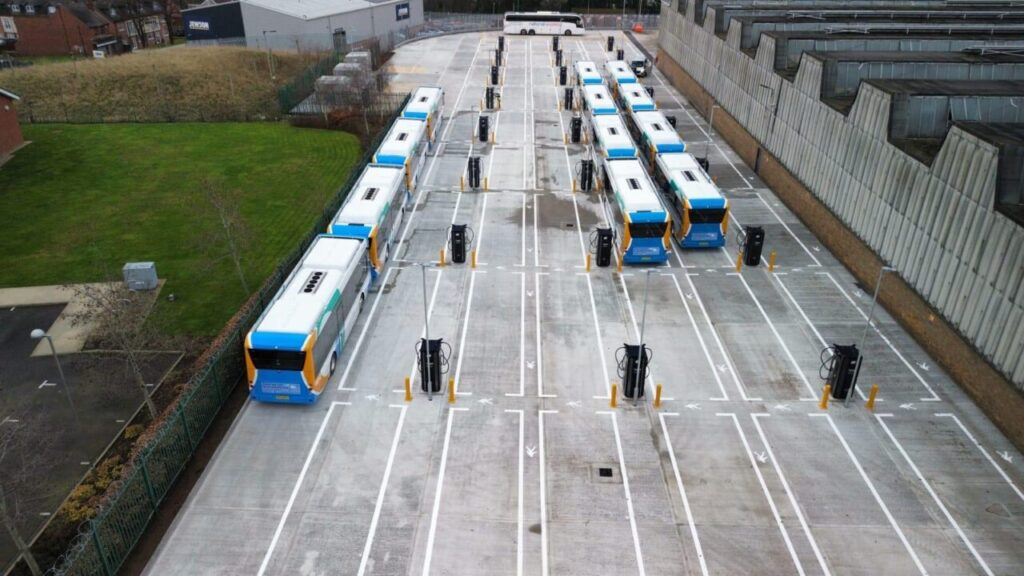
Renewable energy and electric vehicle infrastructure contractor Joju has been selected for a proposed £674,007 depot electrification contract for West Mercia Police, incorporating photovoltaic generation and battery storage alongside vehicle charging infrastructure to accommodate constraints on the site’s existing electricity supply.
The procurement transparency notice, published on 25 November, identifies Joju Ltd as the intended contractor for the design, supply, installation, and commissioning of the integrated electrical system. West Mercia Police and Crime Commissioner anticipates signing the contract on 30 November, with delivery scheduled between 1 December 2026 and 31 March 2027. The stated contract value includes VAT.
The scope encompasses electric vehicle chargers, photovoltaic canopies, battery storage, energy management controls, and associated electrical distribution works. The authority is pursuing a direct award under Section 41 of the Procurement Act 2023, citing extreme and unavoidable urgency in connection with its funding deadline and operational requirements.
The procurement timetable must accommodate electrical design, equipment procurement, mobilisation, security arrangements, grid coordination, and installation. The authority considers that completing a competitive procurement within the available period would prevent delivery in the required timeframe. The notice sets out its intention to award the contract rather than confirming that the agreement has been signed.
Combining battery storage and photovoltaic generation with the chargers allows the proposed installation to draw on more than one source of electrical power. Depots that were originally designed around conventional vehicles may have limited spare capacity in their incoming supply and internal distribution equipment, particularly when multiple chargers are added alongside existing building loads.
The demand associated with a fleet depends on the vehicles’ energy consumption and the amount of time available to replenish their batteries between deployments. Unlike vehicles parked throughout a predictable working day, operational police vehicles can return to service at short notice. The charging system may therefore need to prioritise particular vehicles or adjust the allocation of power as their requirements change.
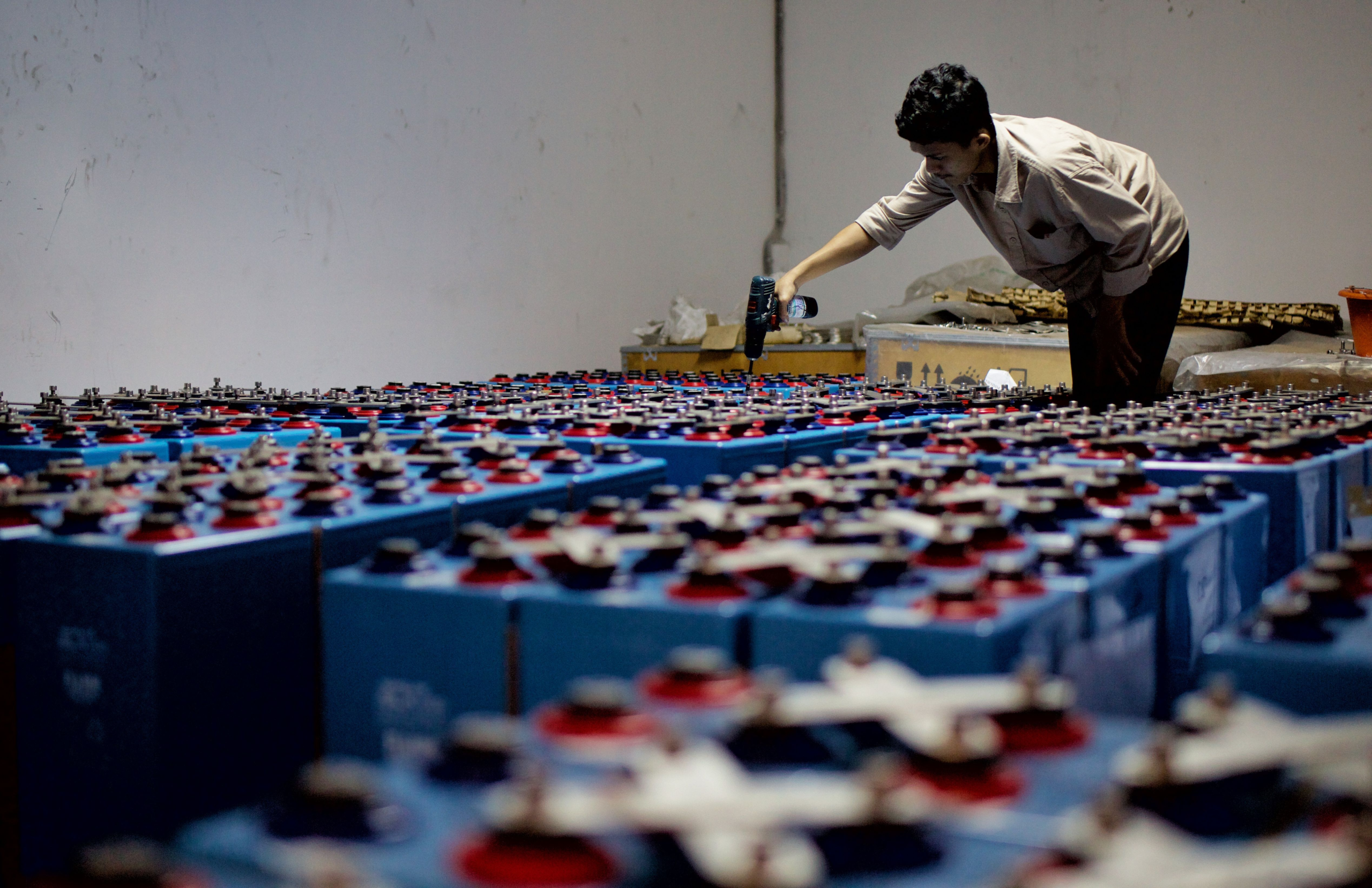
A battery connected to the depot’s electrical distribution network could supply part of the demand during periods when charging loads exceed the available import capacity. The maximum additional power available depends on the rating of the battery’s converter, while the length of time for which that power can be supplied depends on usable stored energy and the battery’s state of charge.
Storage must be sized around the duration and frequency of demand peaks. Where several vehicles require sustained charging and the grid connection cannot supply sufficient energy over their combined operating cycle, a battery alone cannot resolve the underlying shortfall. It must be replenished from the grid or local generation, and that charging activity requires spare capacity at other times.
Photovoltaic canopies can contribute electricity while using space already allocated to parking. Their output may serve concurrent depot loads or charge the storage system when generation exceeds immediate demand. The contribution is dependent on daylight and weather conditions, however, and the timing of police vehicle charging may not align with the periods of greatest solar generation.
An energy management system can coordinate charger settings, battery dispatch, and available generation against the maximum electricity import permitted at the site. Its effectiveness depends on the availability of reliable measurement data and the ability to control connected equipment. The control system must also account for essential building loads that cannot be reduced simply to make additional electricity available for vehicles.
The combination of grid supply, photovoltaic inverters, and battery converters creates additional requirements for protection and electrical isolation. Equipment ratings and protection settings must reflect the possible directions of power flow and the characteristics of connected power electronic equipment. If the installation is intended to operate during a grid outage, that capability would require a specifically designed electrical arrangement; it is not implied by the presence of storage.
West Mercia has not disclosed the number of chargers, their individual power ratings, the planned photovoltaic capacity, or the battery system’s power and energy ratings. Those specifications will determine the number of vehicles that can charge concurrently and the extent to which local generation and storage can support the existing electricity connection.
The proposed delivery period leaves approximately four months for the design and construction programme after signature. Completion will require coordination of equipment installation and electrical testing with continuing depot operations, ahead of the March 2027 funding deadline.