IN Brief:
- The benchmark covers almost 2,500 turbines across company accounts from 2019 to 2025.
- Average provisions range from approximately £900,000 to £1.5 million per turbine across capacity categories.
- Assuming a 25-year design life, 1,285 turbines in the study will reach that point by 2041.
Decommissioning provisions for British offshore wind farms using turbines of comparable generating capacity can vary tenfold, according to research by engineering consultancy Xodus and its specialist offshore renewables business, Evolv Energies. The differences complicate comparisons of the liabilities associated with removing generating infrastructure as earlier developments approach the end of their original design lives.
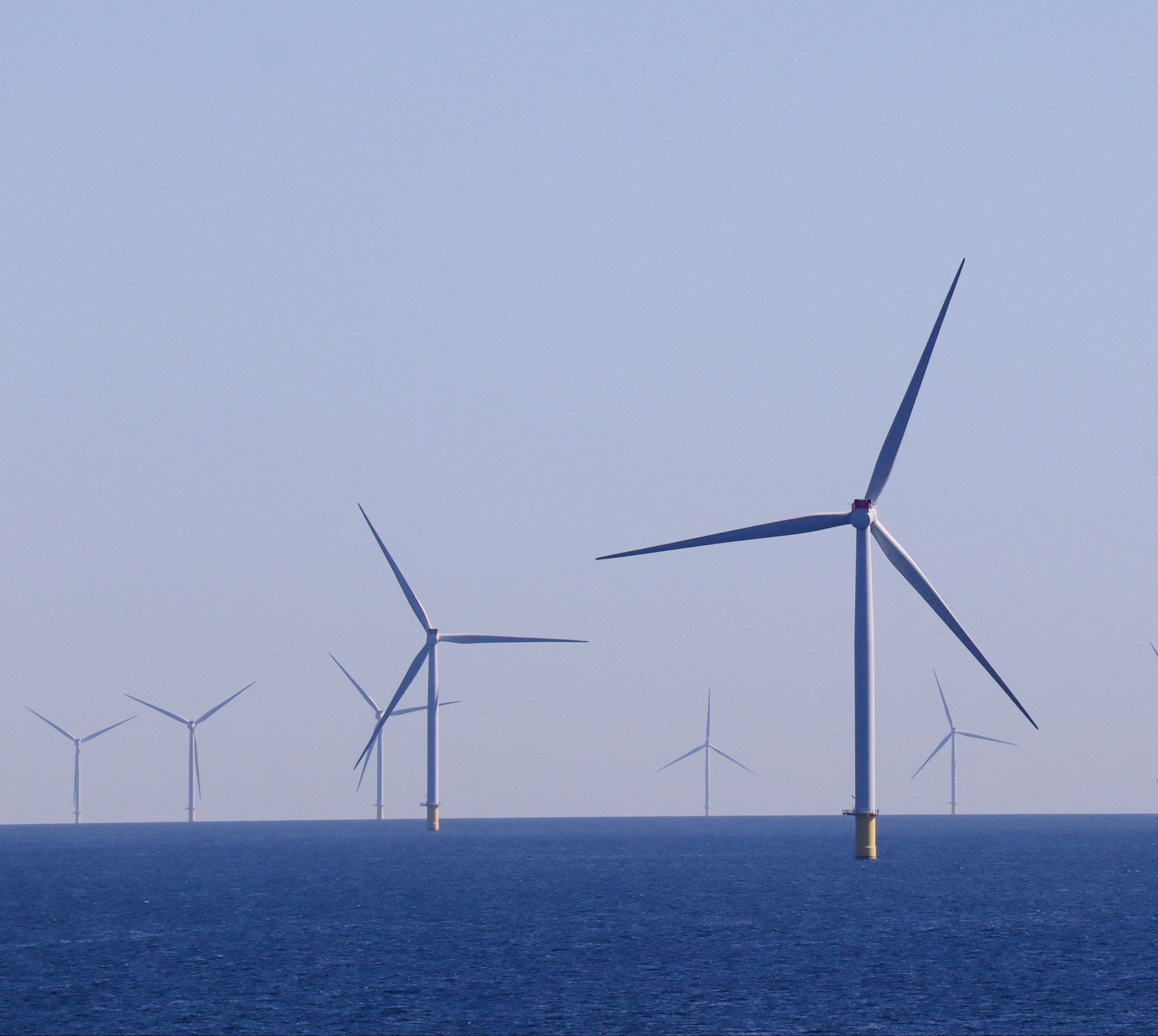
The benchmark, presented at Offshore Energies UK’s Offshore Decommissioning Conference on 24 November, examines the provisions recorded in the accounts of 37 operating UK offshore wind farms between 2019 and 2025. The developments incorporate nearly 2,500 turbines, with average allowances ranging from around £900,000 per turbine in the smallest capacity category to £1.5 million for the largest.
The researchers converted project-level provisions into equivalent amounts per turbine, creating a common basis for comparing developments with different numbers of generating units. The resulting figures represent accounting provisions, rather than invoices for completed removal contracts, and the variation between projects reflects potentially different engineering scopes and financial assumptions.
Removing an offshore wind farm can involve dismantling turbines, foundations, offshore substations, inter-array cables, and export infrastructure. The extent of removal depends on the applicable decommissioning programme and regulatory requirements, which may treat individual elements of the installation differently. Dividing an aggregate provision by the number of turbines does not establish how much expenditure is attributable to each component.
Turbine capacity is also an imperfect measure of the physical work involved. A wind farm comprising numerous smaller generating units may require more individual lifting operations, vessel movements, and foundation removal activities than a development of equivalent capacity using larger turbines. The latter may instead require specialist lifting equipment capable of handling much greater component weights and dimensions.
Foundation design, water depth, seabed conditions, and access to suitable ports affect the cost and feasibility of removal. Electrical work must be coordinated with the marine engineering programme: circuits require safe isolation before connected equipment is dismantled, while shared infrastructure may need to remain available where other generating assets continue operating.
The cost of undertaking these activities in the future also depends on the availability and utilisation of specialist vessels. A vessel market serving simultaneous offshore construction, maintenance, and removal programmes could impose materially different mobilisation costs from those assumed when the original financial provisions were established.
Accounting treatment introduces another source of variation. A provision recognised today for expenditure expected many years later can incorporate both future cost escalation and discounting to present value. Two operators anticipating similar physical removal costs could consequently report different liabilities if their expected removal dates or financial assumptions differ. Comparable accounts require an understanding of the valuation basis as well as the engineering scope.
Xodus estimates that 532 of the turbines examined will reach a nominal 25-year design life by 2036. That rises to 1,285 by 2041, just over half of the benchmark population. Design life is a reference period for engineering assessment rather than a fixed retirement date, so the figures indicate the potential scale of forthcoming asset decisions rather than a confirmed timetable of removal contracts.
Life extension assessments may consider accumulated fatigue, corrosion, foundation integrity, and the condition of electrical and mechanical equipment. Continuing operation can also depend on replacement component availability and the ability to maintain older equipment economically. A turbine with acceptable structural condition may still require substantial expenditure on its drivetrain, electrical systems, or controls to remain in service.
Repowering provides an alternative where operators can replace older generating equipment with larger or more productive machines. Reusing the development area does not automatically permit reuse of the foundations or electrical connection. Higher turbine loads can require different supporting structures, while additional generation may exceed the ratings of collection cables, transformers, or export circuits. Any change to the maximum export capacity may also require a revised grid connection agreement.
Decisions on life extension, repowering, and removal consequently depend on site-specific engineering assessments and the cost of fulfilling existing decommissioning obligations. Operators and lenders need consistent estimates when comparing the remaining value of operating assets against the expenditure required for alternative development strategies.
With more than 1,200 turbines in the benchmark approaching their nominal design lives over the next 15 years, the research provides a basis for examining the assumptions already incorporated in financial provisions. Establishing more comparable cost estimates will require a clearer breakdown of removal scope, vessel requirements, and the timing of expenditure across individual wind farms.