
Renewable energy
—
-
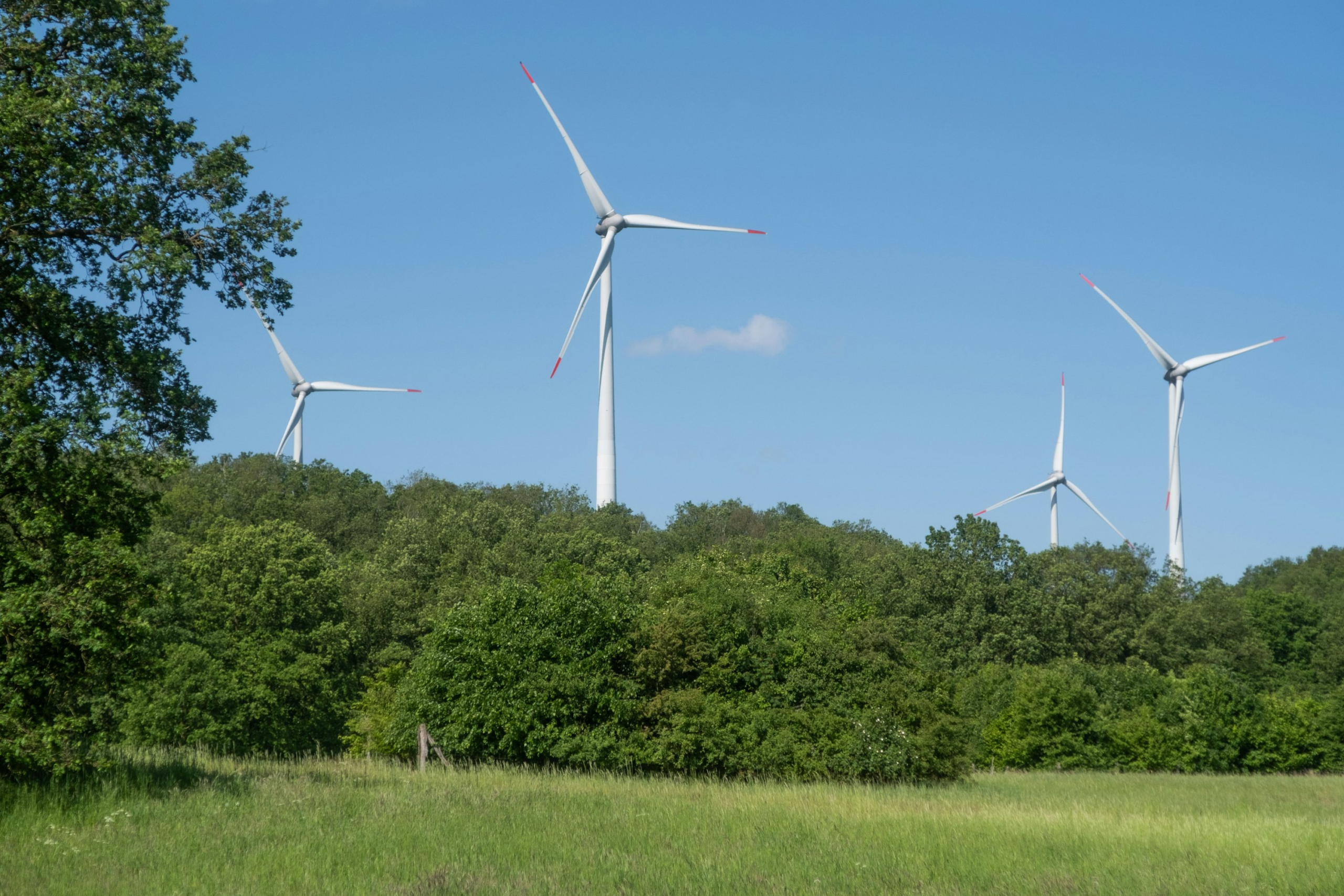
RWE has secured auction awards for two German wind projects. Jüchen 3 and the Seedorf repowering scheme are planned for commissioning in 2028, subject to final investment decisions.
-
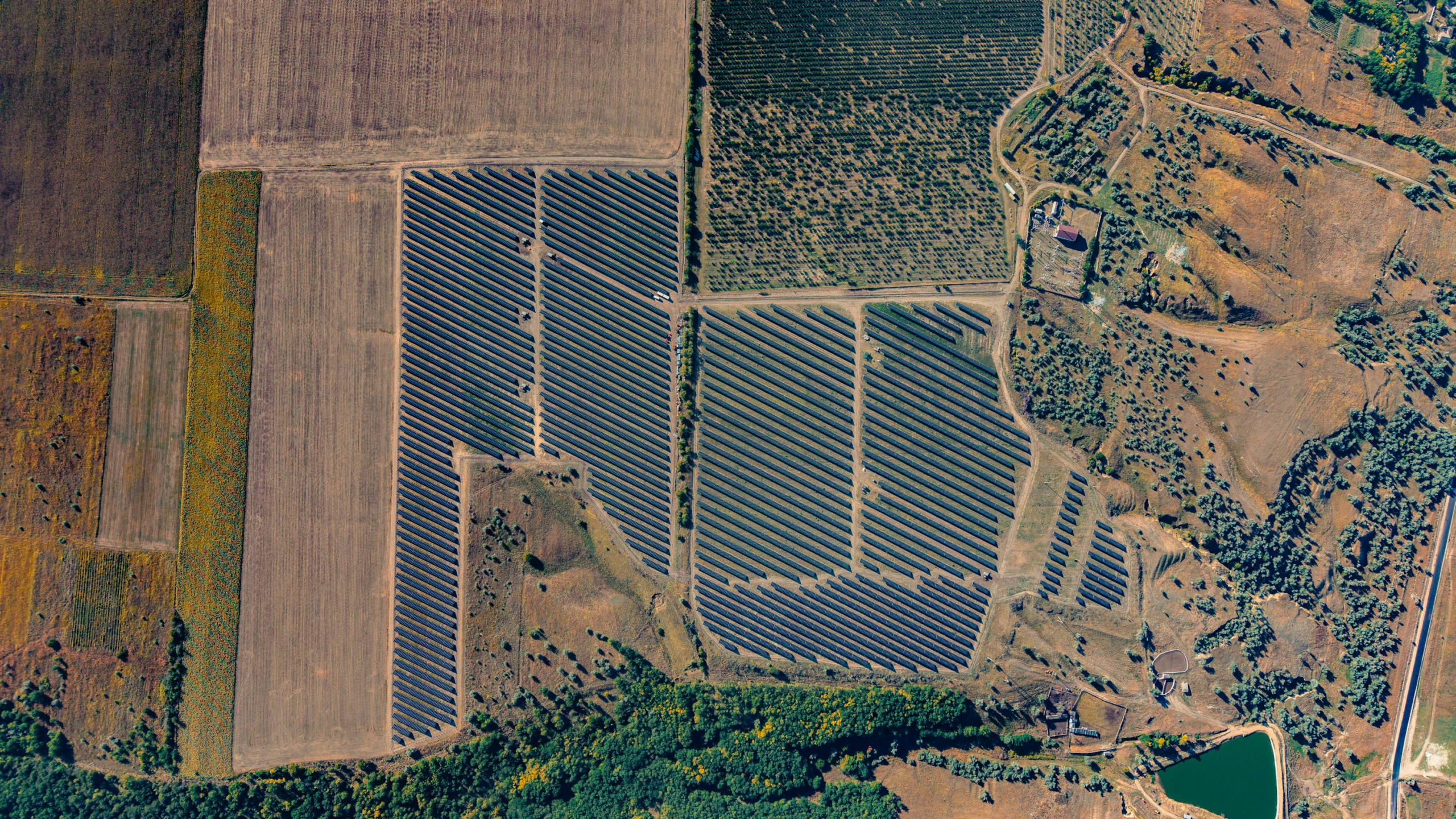
MOL has commissioned solar generation and battery storage at Algyő. The 37.4MWp plant is paired with a 20MW/40MWh system supporting site demand and grid flexibility.
-
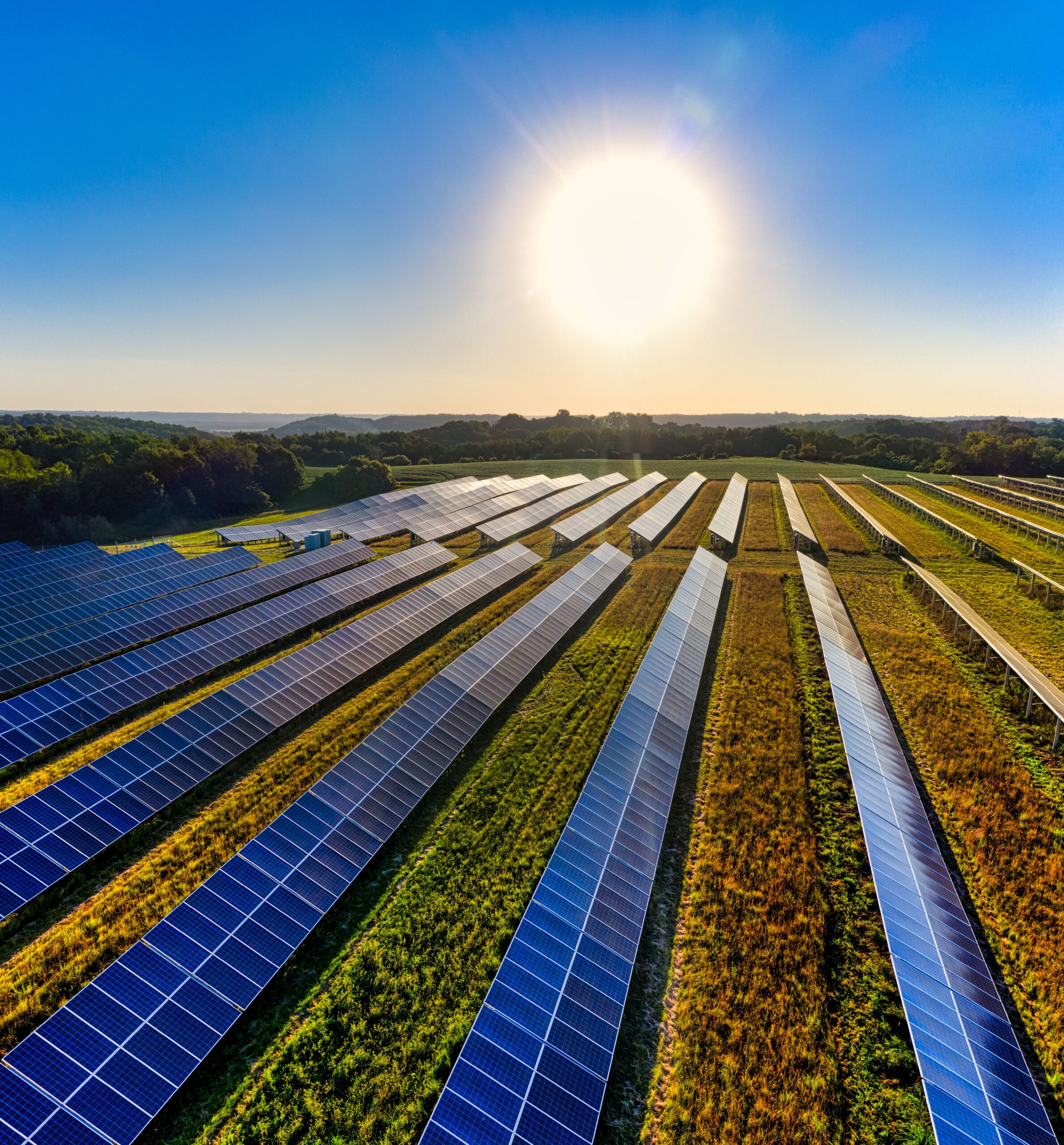
Britain’s solar expansion is intensifying the need for storage capacity. Electric Insights data shows stronger daytime renewable output increasingly giving way to tighter, more expensive evening periods.
-
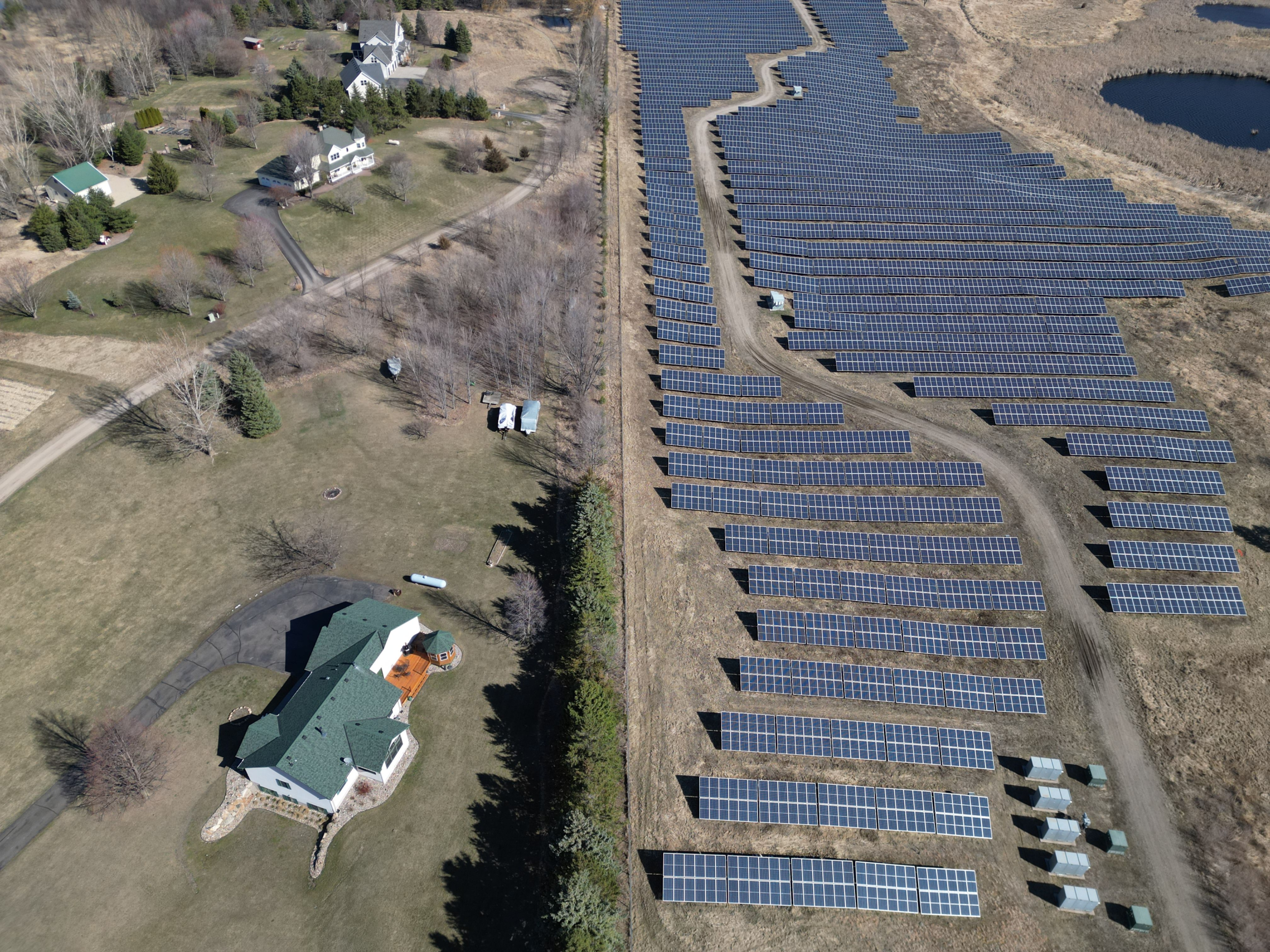
Great British Energy has opened £30m for community power projects. Funding covers feasibility, development, construction, local-authority partnerships, and advice for renewable and storage schemes across the UK.
-
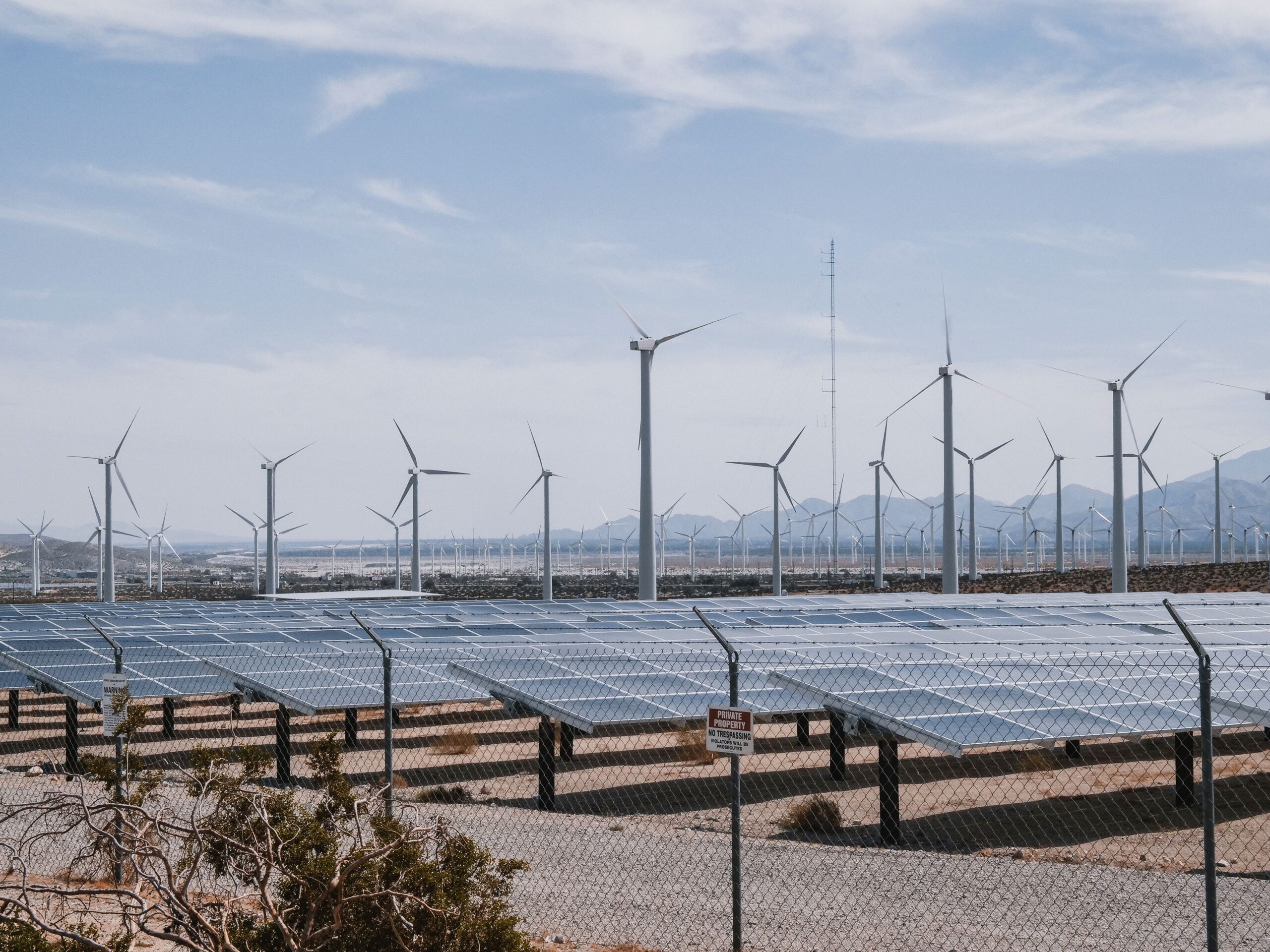
EU grants will fund three cross-border renewable energy infrastructure projects. The €125.81m package covers German-Polish heat networks and the first implementation stage of a Latvia-Lithuania wind development.
-
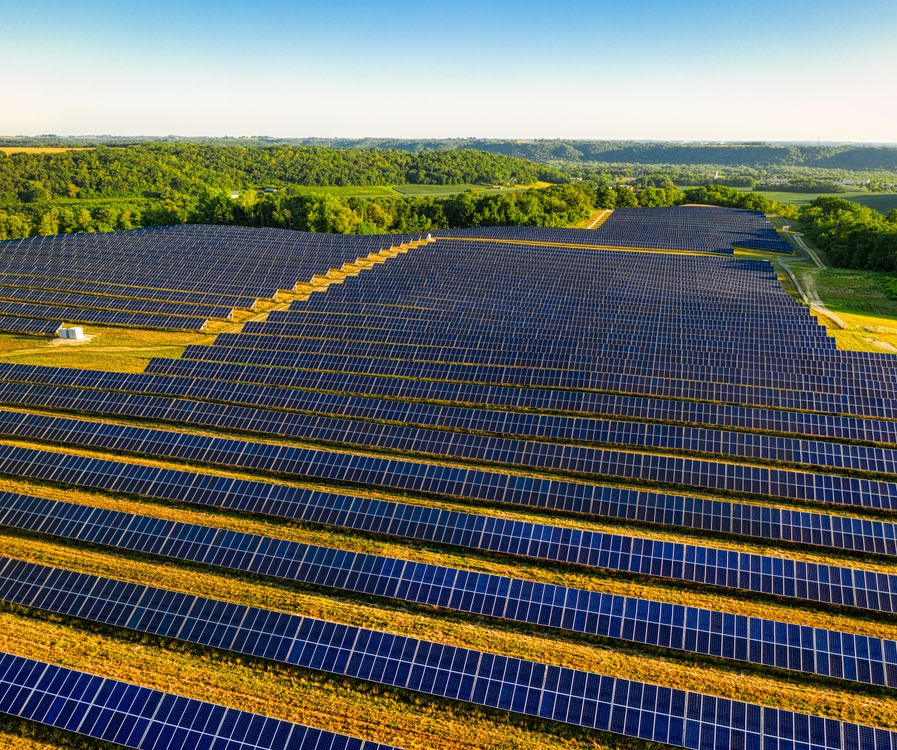
Encavis has secured €282m financing for nine Italian solar plants. The 351MW portfolio combines its Giotto assets with four additional projects while retaining scope to integrate battery storage later.
-
Aura Power has brought its Grimsby solar farm into operation. The 49.9MW North East Lincolnshire project uses single-axis tracking and is exporting electricity while final testing and snagging continue.
-
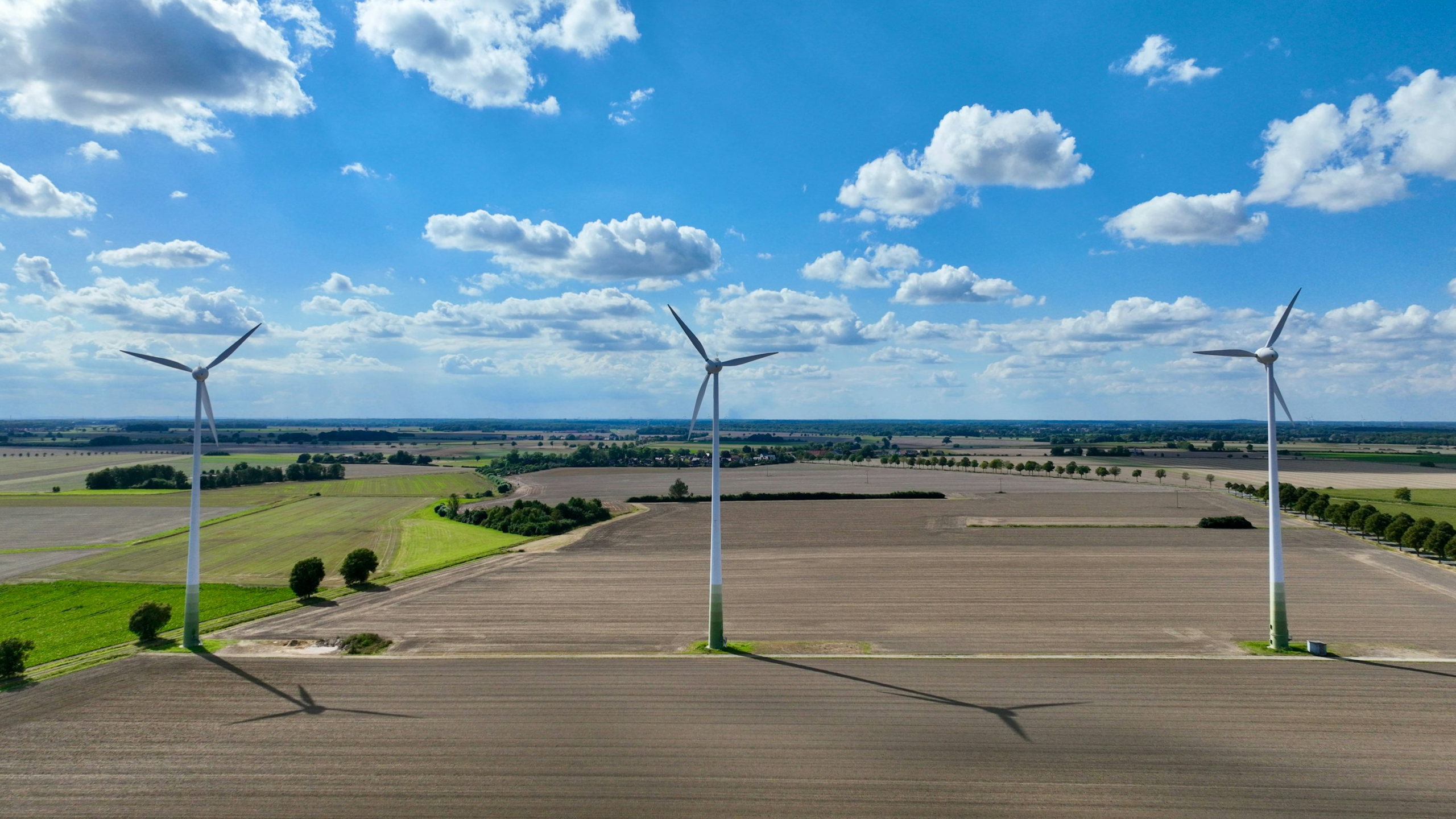
Econergy has entered France by acquiring Escofi’s 740MW wind platform. The €134.3 million transaction includes operating, construction-stage and development assets concentrated in northern France.
-
Grenergy has expanded two Spanish storage platforms through new acquisitions. Iberian Oasis now comprises 1GW of solar and 3.2GWh of storage, while Greenbox has reached 10GWh under construction or advanced development.
-
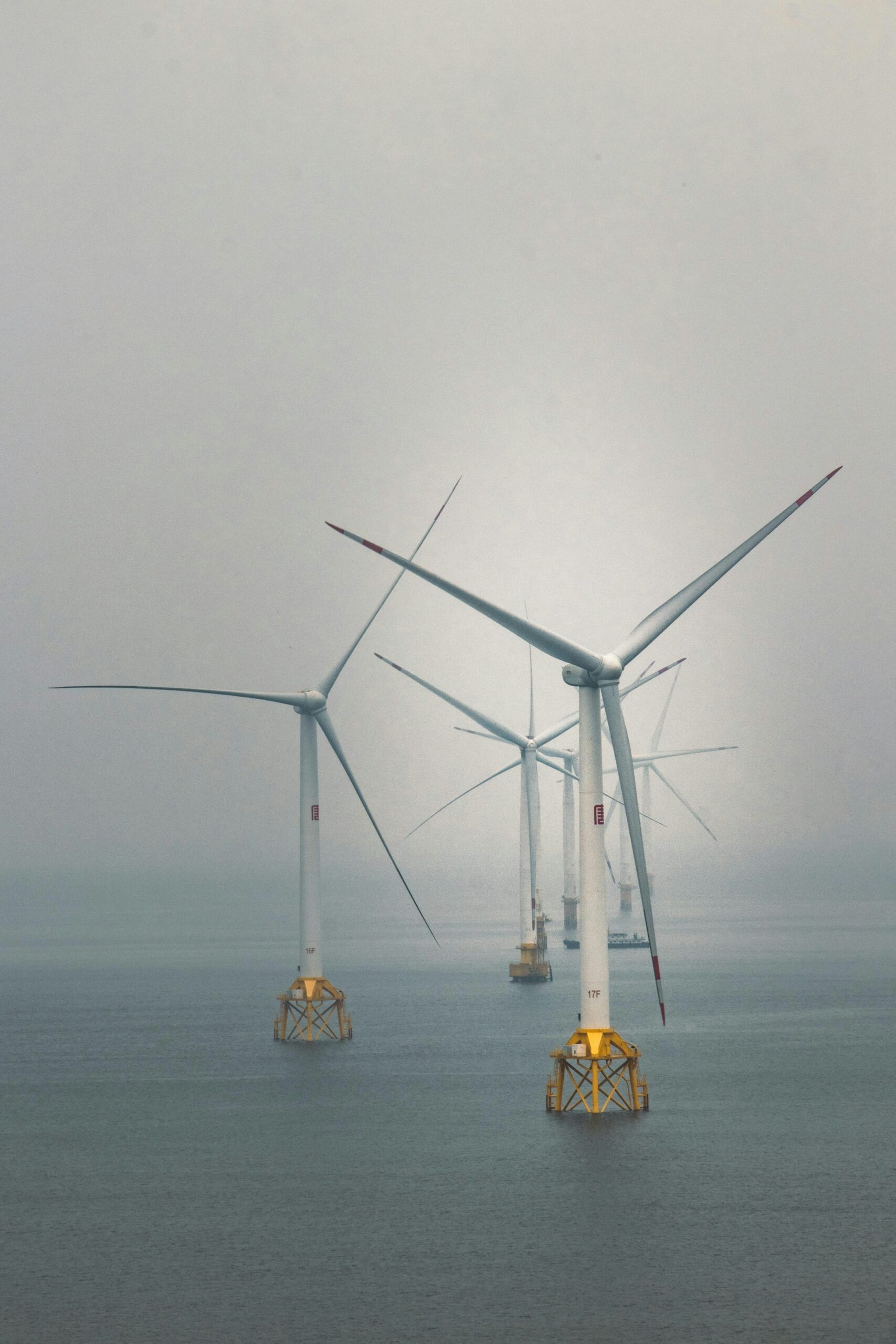
EirGrid has opened Step 4a consultation on offshore grid options. The programme covers substations, export cables, landfalls and two connection areas needed for up to 900MW of Tonn Nua wind generation.