IN Brief:
- RWE secured German auction awards covering 119MW across two onshore wind projects.
- Jüchen 3 will add 84MW on recultivated former lignite-mining land in North Rhine-Westphalia.
- Seedorf will replace five 9MW-total turbines with five modern units providing 35MW.
RWE has secured German onshore wind auction awards for two projects with a combined capacity of 119MW, covering an 84MW greenfield development in North Rhine-Westphalia and a 35MW repowering scheme in Lower Saxony.
The contracts were awarded in the latest auction held by Germany’s Federal Network Agency. Both projects are scheduled for commissioning in 2028, subject to final investment decisions by RWE.
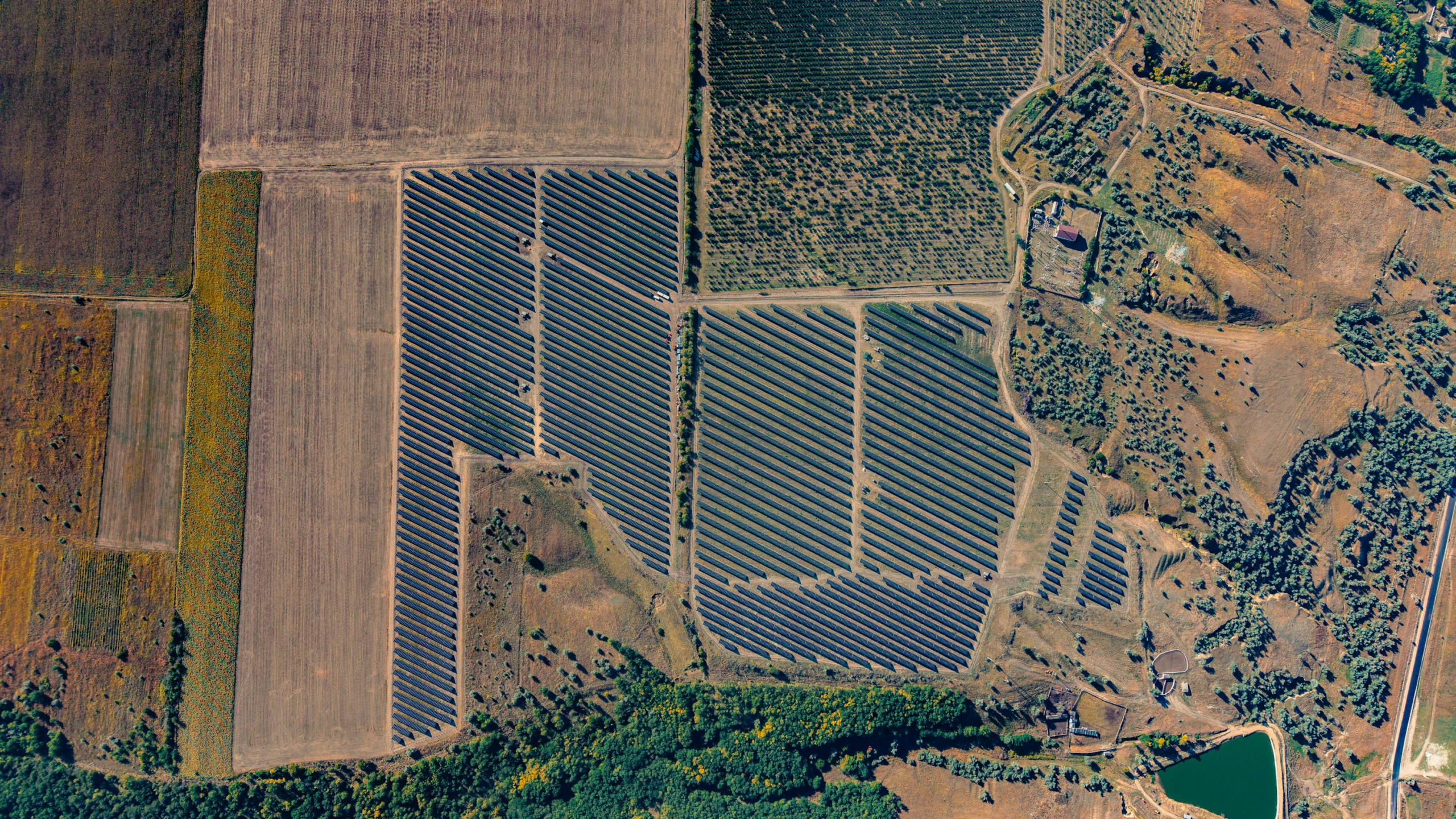
The larger development, Jüchen 3, is planned on recultivated land at the former Garzweiler open-cast lignite mine in the Rhein-Kreis Neuss district. Its 84MW planned capacity gives the site a second energy role after decades of mining activity, with former extraction land being prepared for renewable electricity generation.
RWE has not disclosed the final turbine configuration for Jüchen 3 in the announcement. Turbine rating, hub height, rotor diameter and balance-of-plant details will therefore emerge later in the development programme, alongside the civil and electrical scope needed to connect the project.
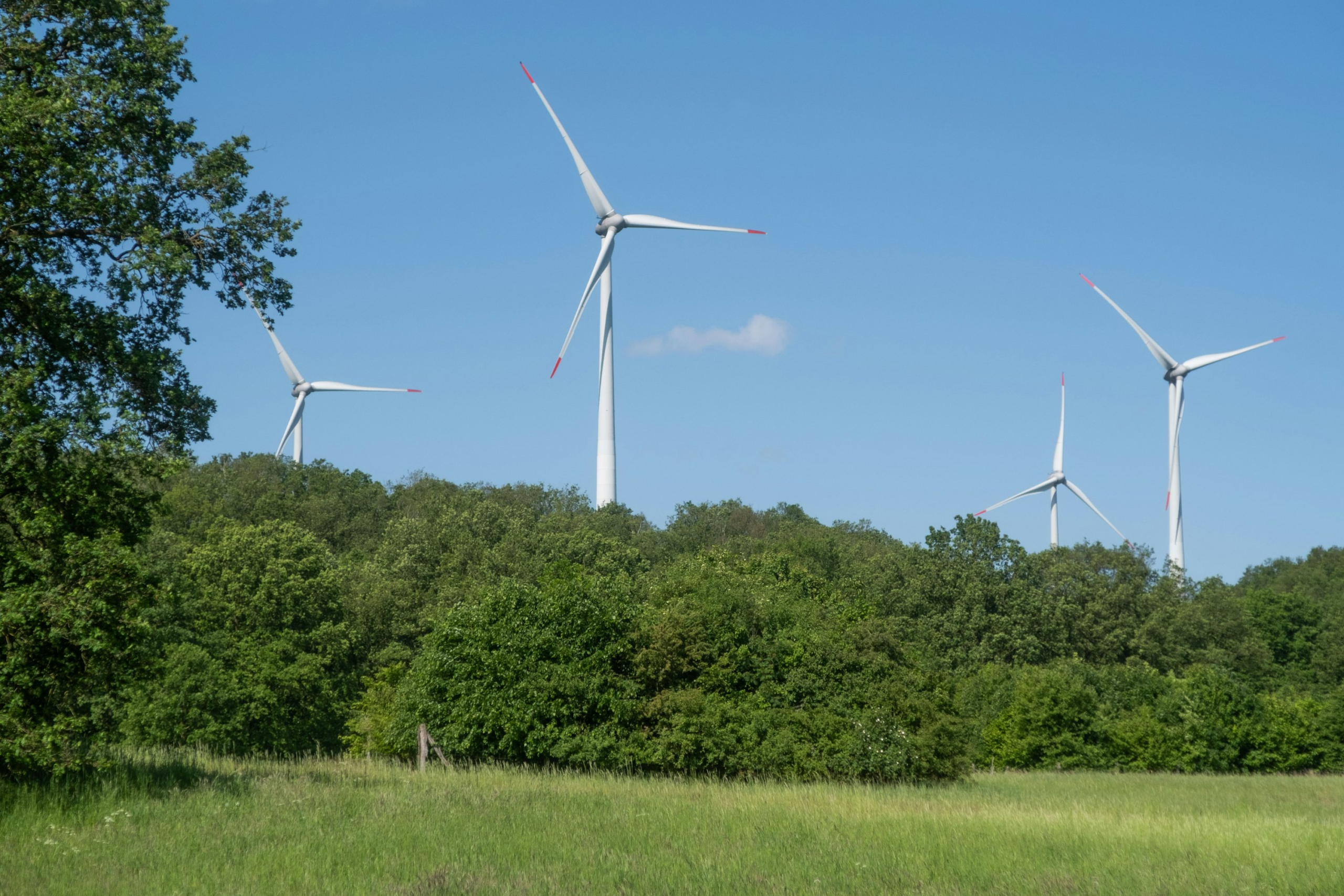
The Seedorf project takes a different route. RWE plans to remove five existing turbines with a combined capacity of 9MW and replace them with five modern machines providing 35MW in total. The turbine count will remain unchanged while installed capacity rises by almost four times.
Annual generation will not increase in direct proportion to nameplate capacity because output depends on the local wind resource, turbine power curves, availability, wake effects and any grid constraints. The repowering nevertheless illustrates how larger rotors, higher generator ratings and more advanced controls can extract substantially more energy from an established site.
Repowering also changes the engineering requirements around assets that may already have roads, cable routes and a grid connection. Larger replacement machines can require upgraded foundations, wider access routes, heavier crane platforms and higher-capacity electrical equipment. Existing permits and network arrangements cannot simply be assumed to accommodate a substantially larger project.
At Seedorf, the increase from 9MW to 35MW will raise the maximum export capability of the wind farm materially. Depending on the capacity of the existing connection, reinforcement may be needed between the turbines and the connection point, while protection settings, reactive-power capability, metering and plant controls must reflect the new equipment.
Established wind sites can still offer advantages over greenfield development. Network infrastructure and operating history already exist, local wind conditions are better understood, and replacing ageing turbines without increasing their number can reduce some of the land-use pressures associated with building a new wind farm elsewhere.
Jüchen 3 instead makes use of recultivated industrial land within a region already shaped by large-scale energy infrastructure. That does not remove planning, environmental or grid requirements, but it places the project within an existing energy landscape rather than introducing generation into an entirely new setting.
The two auction awards add to an RWE German onshore wind fleet of around 770MW. The company is continuing to seek land for wind, solar and battery projects across the country as electricity demand grows and Germany expands renewable generation.
Auction success establishes a commercial route but does not complete the projects. Jüchen 3 and Seedorf still have to pass investment approval, procurement, detailed engineering, construction and grid-connection stages before the awarded capacity becomes operational generation.
The planned 2028 commissioning date puts equipment procurement firmly on the delivery path. European wind developers are ordering into a manufacturing chain covering blades, towers, nacelles, bearings, converters, transformers, switchgear and high-voltage equipment, while transport and heavy-lift availability must be coordinated with foundation works and electrical installation.
Grid compliance is equally important as renewable penetration increases. New wind farms must satisfy requirements around fault behaviour, voltage control, frequency response and active-power management rather than operating as electrically passive generators. Modern turbine converters and plant controllers provide far greater control than earlier generations of wind equipment, but those functions still have to be demonstrated during commissioning.
Seedorf should provide a particularly clear comparison between generations of wind technology because five turbines will replace five turbines while rated capacity rises from 9MW to 35MW. Once the turbine model and expected annual generation are disclosed, the project will show how much additional output RWE expects to obtain from the existing site and connection.
Jüchen 3 will move through a different development sequence, beginning with final investment approval and equipment selection before construction on the recultivated mining land. Both projects now have auction support, but their 2028 operating target depends on the civil, manufacturing and grid programmes remaining aligned through delivery.