IN Brief:
- Prysmian's Ulisse vessel is undertaking nearshore cable installation ahead of the connection reaching land at Hooksiel.
- All 14 transformers required for NeuConnect's British and German converter stations were delivered by May.
- The completed interconnector will provide 1.4 GW of bidirectional electricity transmission capacity, with commercial operation targeted for 2028.
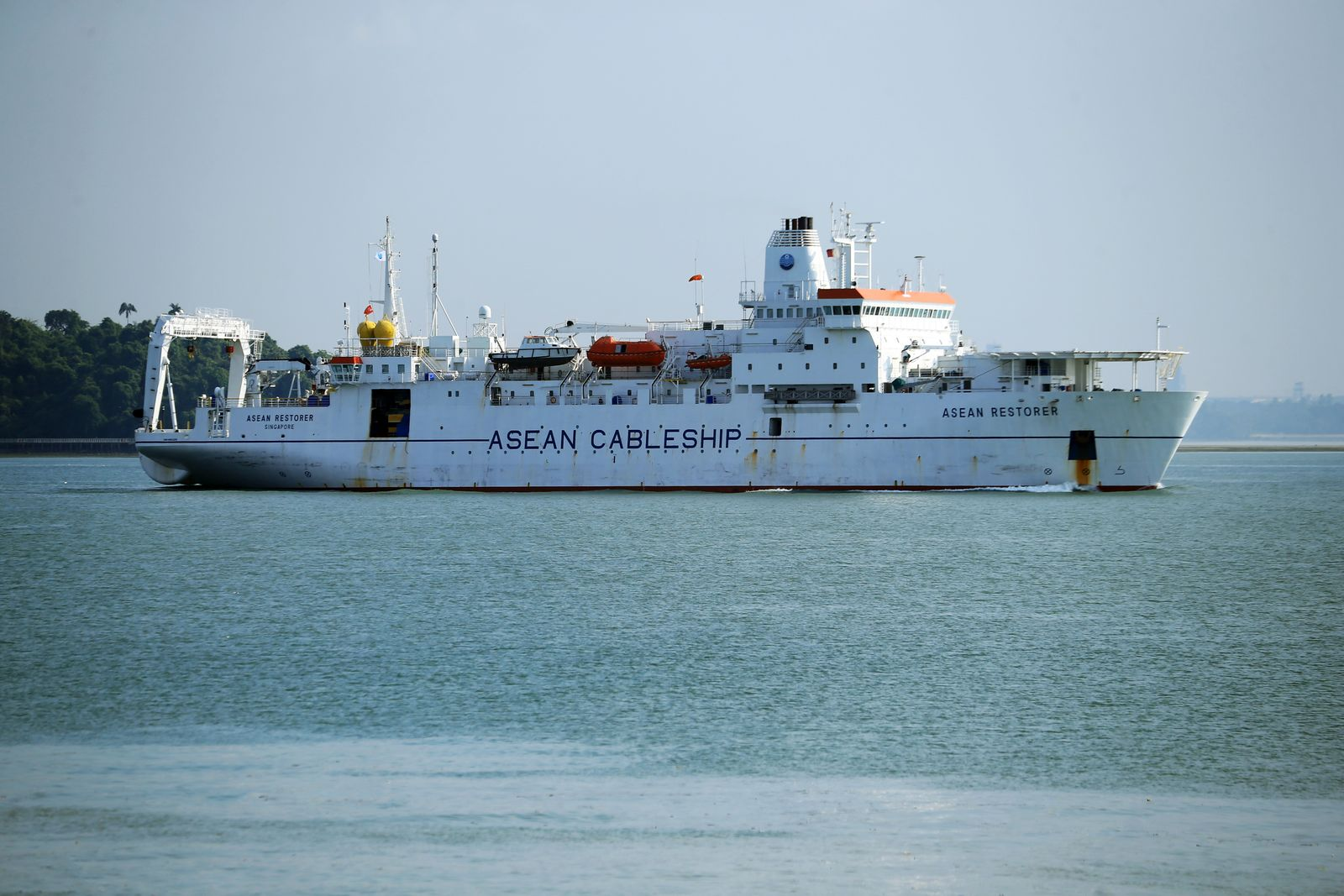
NeuConnect has begun nearshore cable installation in northern Germany as construction advances on the first direct electricity interconnector between Great Britain and Germany. Main cable contractor Prysmian has deployed its Ulisse vessel to install approximately 30 km of cabling near Wilhelmshaven, extending the offshore transmission route towards the infrastructure already installed on the German mainland.
The £2.4 billion development will provide up to 1.4 GW of bidirectional electricity transmission capacity through approximately 725 km of land and submarine cables. Prysmian began offshore installation towards the end of 2024 and has now installed more than 350 km of cabling across the development, with all installation in British waters completed earlier this year.
The German nearshore works will bring the offshore cables to land at Hooksiel. A 12 km terrestrial cable section is already in place between the landfall and NeuConnect’s converter station under construction near Wilhelmshaven. Connecting those sections will establish continuity between the offshore transmission route and the infrastructure leading to the German converter facility.
Ulisse has been designed for cable installation in shallow waters, where vessel draught, tidal conditions, and the characteristics of the seabed influence construction methods. The German landfall also passes through an environmentally sensitive coastal area, requiring the installation programme to accommodate marine protection requirements alongside the engineering characteristics of the cable route.
The nearshore phase follows installation activities in British and Dutch waters using Prysmian’s Leonardo da Vinci vessel. Different sections of a submarine cable route can require different installation equipment according to water depth, seabed conditions, cable dimensions, and available working space. Coordinating those activities is necessary to complete a continuous transmission circuit across several marine jurisdictions.
NeuConnect uses high-voltage direct current (HVDC) transmission, which is suited to long submarine electricity connections because it avoids the sustained capacitive charging current associated with alternating current cables. The transmission system will connect converter stations at Wilhelmshaven and the Isle of Grain in Kent, enabling controlled electricity transfers between the British and continental European networks.
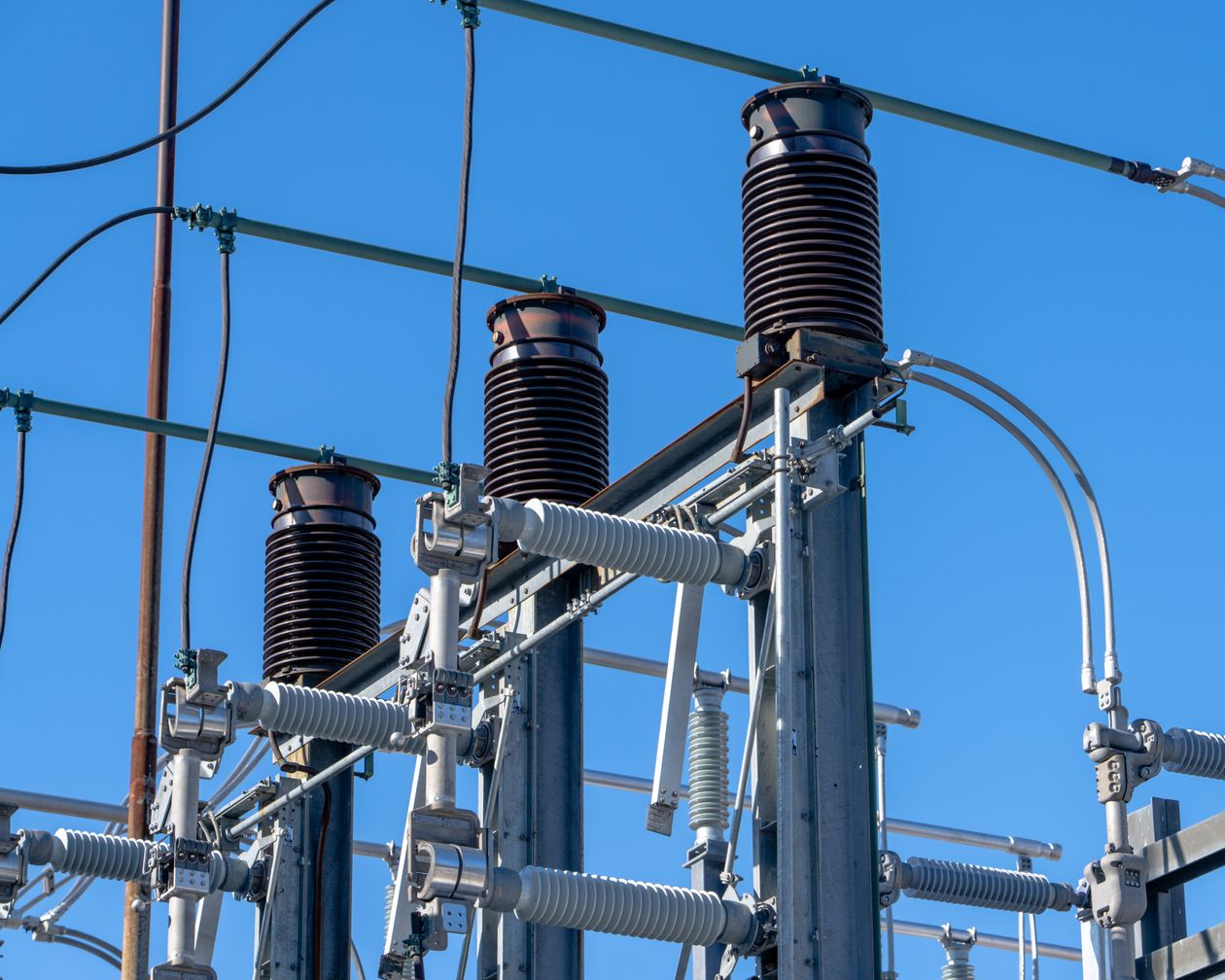
Those converter stations introduce their own substantial equipment procurement and installation requirements. All 14 transformers required for the two facilities had been delivered by May, following an equipment supply programme undertaken by Siemens Energy. In September, NeuConnect confirmed that the British station’s transformers, each weighing more than 200 tonnes, had been moved into position, with installation of accessories and associated equipment progressing at both sites.
Mechanical and electrical installation is also underway within the stations’ control buildings. Cable trays, ducting, and associated supporting infrastructure must be installed before the systems responsible for monitoring and coordinating electricity transfers can be completed. The operational availability of the interconnector will depend on these supporting systems alongside the main power conversion equipment.
Converter station construction must be coordinated with cable installation because neither element can operate commercially in isolation. The completed transmission circuit must be compatible with the electrical characteristics of the converters, including their operating voltages, protection arrangements, and response to changes on the connected networks. Integrated commissioning will verify the performance of the combined infrastructure before commercial electricity transfers begin.
NeuConnect forms part of a broader expansion of European HVDC infrastructure, including projects connecting offshore renewable generation with terrestrial electricity networks. Earlier this month, NKT delivered jointless cable sections for Germany’s SuedLink transmission project. Although SuedLink is a separate domestic connection, both developments draw on specialist high-voltage cable manufacturing, installation, and engineering capabilities.
The commercial purpose of NeuConnect differs from transmission connections serving individual offshore wind farms. Electricity can be transferred in either direction according to market conditions and available network capacity, providing an additional route for trading between Britain and Germany. Its ability to support renewable electricity integration will depend on the relationship between generation, demand, and electricity prices in the two markets at different times.
The project is backed by an investment consortium comprising Meridiam, Allianz, Kansai Electric Power, and Tokyo Electric Power Company. Alongside construction, NeuConnect is developing the commercial systems through which electricity market participants will be able to acquire and use the available transmission capacity.
The developer is targeting trial operations towards the end of 2027, ahead of full commercial operation in 2028. Completion of the German cable landing will advance the physical connection between the offshore infrastructure and the Wilhelmshaven converter station, with remaining installation and integrated testing activities required across the wider transmission system before its 1.4 GW capacity becomes commercially available.